Follow Us on Google
From Idu Jude, Abuja
As the world commemorates International Women’s Day (IWD), the Initiative for Research, Innovation, and Advocacy in Development (IRIAD), a civil rights organisation, has highlighted several key issues affecting women and girls in Nigeria, particularly poor representation in governance.
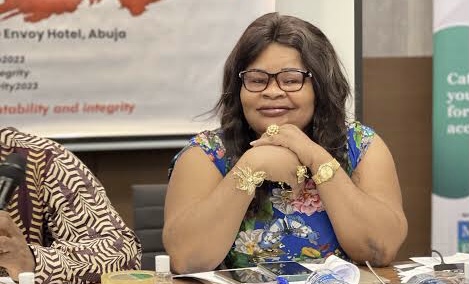
In a statement issued by its Director, Princess Hamman-Obels, the group said that despite some advancements, women and girls continue to face significant challenges in the country.
It posited that women constitute nearly half of the population, yet they are severely marginalised in political leadership, adding that the 2023 general elections witnessed a low number of elected female representatives, with women occupying less than 10% of parliamentary seats at both national and state levels. This, it said, stems from deep-rooted structural and cultural barriers.
Additionally, IRIAD noted a troubling increase in femicide and other gender-based violence cases in the country, with over 20 cases recorded in less than three months. This underscores the need for stronger legal frameworks and more effective prosecution. IRIAD highlighted the case of Senator Natasha Akpoti-Uduaghan as a stark example of gender discrimination and stigmatisation faced by female politicians in Nigeria.
Other News
Established as a global holiday by the United Nations in 1977, IWD serves as a poignant reminder of the strides made and the persistent challenges in achieving comprehensive gender equity. This year’s theme,
“For ALL Women and Girls: Rights, Equality, Empowerment,” is a call to action for ensuring equal rights, power, and opportunities for all, envisioning a feminist future where no one is left behind. As the world marks the 30th anniversary of the Beijing Declaration and Platform for Action, the most comprehensive global policy framework for women’s rights, IRIAD emphasises the urgent need to accelerate efforts toward achieving gender equity and empowering women and girls worldwide.
“The government and policymakers should enact and enforce laws and policies that promote gender equity, and political parties should commit to internal reforms that support female candidates. Educational institutions should prioritise curricula and programs that promote gender equity. The media and civil society organizations should actively promote positive and empowering images of women while challenging gender stereotypes,” the statement read.
“All citizens should actively challenge gender stereotypes, reject discriminatory practices, and promote environments where women and girls can thrive, with men especially supporting gender inclusion in daily life. By working together, we can create a more equitable and inclusive society where women and girls are empowered to reach their full potential and have their rights upheld. IRIAD celebrates the resilience, strength, and achievements of women across Nigeria and beyond while recognizing that there is still much work to be done.”