Follow Us on Google
From Ndubuisi Orji, Abuja
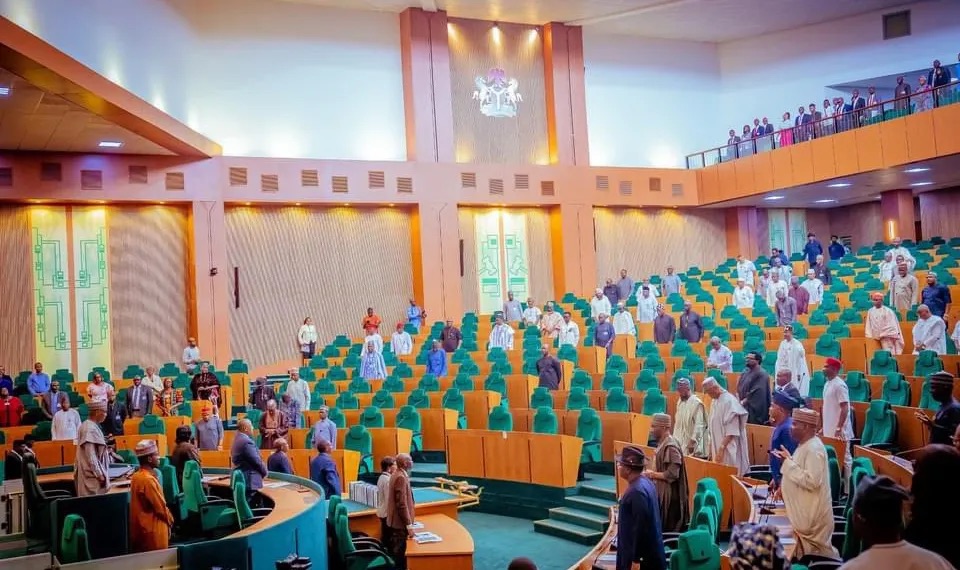
The House of Representatives, yesterday, commenced an investigation into the execution of the $460 million Federal Capital Territory (FCT) Closed Circuit Television (CCTV) project, which was initiated by the President Goodluck Jonathan administration.
Speaker Tajudeen Abbas, while speaking at the inauguration of the committee, decried the spate of insecurity in the FCT, describing it as unacceptable.
Abbas expressed dismay that Abuja, which had earned a reputation as one of the peaceful and organised cities in West Africa, has become a haven for hoodlums.
Consequently, the speaker stated that the probe of the CCTV project has become imperative to ascertain why despite the huge investment in the project, which was intended to enhance security in the FCT, citizens are still terrorised by criminals in Abuja.
According to him, “The alarming and unprecedented rise in insecurity in the nation’s capital is both unacceptable and intolerable. It commands urgent, decisive attention. It is sad and shameful that the city that has earned a reputation for itself as one of the most peaceful, most elegant and most organised cities in west Africa, is now being transformed into a haven for hoodlums and other nefarious characters.
“Nearly every other day, kidnapping and robbery occur with frequent loss of lives and property, turning the city into a nightmare for residents. Let me remind us that the Federal Capital Territory, Abuja, is more than just a city; it is the symbol of our national unity, the heart of our democracy and the face of Nigeria to the world.
“When insecurity festers here, it strikes at the very core of our nation’s sovereignty and shatters the sense of safety that should be the bare minimum expected by every citizen and resident.”
Abbas added that, “This House, in exercising its constitutional duty of oversight, is acutely aware of the substantial investments made to secure our capital.
“Paramount among these is the Closed-Circuit Television (CCTV) project, a sophisticated security infrastructure secured with a Chinese loan of $460 million.
“The fundamental question that has compelled the establishment of this Ad-hoc Committee is one that every Nigerian is asking: Why, despite this colossal investment, are our citizens still being terrorised, kidnapped and killed in the FCT?
“Where is the digital shield that $460 million was meant to erect? Where is the deterrence, the intelligence-gathering capability and the operational leverage that this project promised?
“This is not just a question of financial probity, but one that borders on national security and public trust. The Nigerian people deserve answers. They deserve to know if these funds have been effectively deployed or tragically squandered.
“They deserve to know if the system is operational and merely under-utilized or if it has been crippled by technical failures, inadequate maintenance or worse, sheer negligence and mismanagement.”
Meanwhile, the House has intensified efforts to amend the Independent Corrupt Practices and Other Related Offences Commission (ICPC) Act 2024, Code of Conduct Bureau (CCB) and Code of Conduct Tribunal (CCT) Act.
Chairman, House Committee on Anti-Corruption, Moshood Akiolu, while speaking at a public hearing, organised on the three bills, said the proposed amendment is necessary to block identified gaps in the extant laws.
Akiolu explained that there were challenges in the existing legal framework, which had inhibited their effectiveness and militated against the fight against corruption.
The lawmaker, who stated that corruption is inimical to development, weakens institutions and erodes public trust, noted that strengthening the laws establishing the anti-graft agencies was crucial in fighting corruption and restoring trust in government.
He said: “The Code of Conduct Bureau, Code of Conduct Tribunal and the Independent Corrupt Practices and Other Related Offences Commission have long been frontline institutions in Nigeria’s efforts to promote public integrity and accountability.
“However, over time, the legal framework governing these bodies has encountered various challenges that have hindered the effectiveness of their operations and by extension, the fight against corruption.
“These bills to amend the Acts are a necessary and timely response aimed at addressing identified gaps and weaknesses. Our objectives include enhancing the operational independence of these institutions, improving their investigative and adjudicatory powers and ensuring that due process and fair hearing are respected in the handling of cases involving public officers.”