Follow Us on Google
By Juliana Taiwo-Obalonye
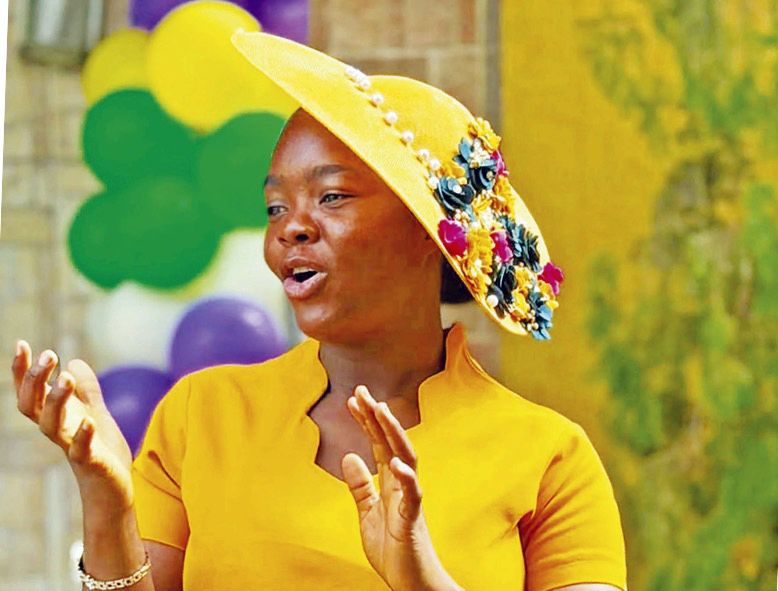
Deborah Ocheido is a Nigerian faith-based community builder and public speaker known for promoting modesty, Christian values and women empowerment. She is also a mentor and advocate for dignified dressing and personal development. As the convener of the Covabodi Movement, she said the recently held festival that went viral was inspired by a personal burden to push back against what she describes as a rising culture of indecent dressing, while creating a platform for modesty, mentorship and empowerment for young women.
Could you tell us briefly about your upbringing and the moments that shaped your path into community-building and events?
Deborah Ocheido is my maiden name, the name I used before I got married, and I still use my maiden name as my handle on social media. I’m a wife and a mother, and I spend much of my time building and nurturing a community of young women. I studied Human Anatomy at the university, but my professional career is in project management and administration. I live in Canada, although I travel back to Nigeria regularly to keep active with my community and family.
Do you practise project management professionally, and is your community work part of that role or a separate, personal initiative?
Yes. By profession, I work in a secular role as a project manager and administrator, which is how I earn my living. My work with the community, however, is separate from that job – it’s a personal initiative I started because I’m passionate about it. It isn’t designed primarily as a revenue stream; rather, it’s a values-driven project where I invest time and resources to build community, mentor young women, and promote modest fashion and personal development.
What experiences shaped this passion, and why does it matter to you?
Throughout my life, I’ve been deeply influenced by programmes and events that brought inspiring speakers to address young people. It started in secondary school at a federal unity school in Abuja, where we regularly had guest speakers—people like Dr. Ken Katasq —come and speak to large gatherings. Those assemblies, and similar youth conferences in church, left a lasting impression on me. I found myself drawn to the energy of a hall full of like-minded young people, sitting together to listen to seasoned leaders who could motivate, challenge, and charge us toward purpose.
Those experiences taught me how powerful a well-run event can be: it creates connection, models possibility, and shifts mindsets. Because I personally felt the benefits of that atmosphere—both in guidance and in encouragement—I’ve always wanted to recreate that environment for others. I want to give young people the same opportunities I had: access to mentors, a community that shares values, and moments that inspire them to aim higher and grow.
What inspired you to launch the Covabodi Festival?
Covabodi didn’t start overnight. Even before I left Nigeria, I had begun to notice a growing trend toward what I call a nudity culture — more revealing outfits at weddings, events, and social gatherings that seemed to normalise exposure as fashionable. As someone who loves to look beautiful but believes style and dignity can coexist, I felt compelled to respond.
I started with a grassroots social media campaign that focused on modesty without judgement. We designed and printed T shirts with our message, organised virtual outreaches, and reached out to students and young people online. The campaign invited conversation, showcased modest fashion ideas, and highlighted role models who demonstrate that elegance does not require overexposure.
When I returned to Nigeria after several years abroad, I was surprised and encouraged to find the movement had continued to live in people’s minds. Strangers and friends alike would still refer to me as the “Covabodi Queen” or “Covabodi Mentor.” That consistent recognition made it clear the message had staying power. So I decided to revive the initiative and scale it up from a mostly digital conversation to a physical celebration — a festival. The recently launched Covabodi Festival was intended not simply as a fashion event but as a platform that promotes deeper values: self worth, dignity, entrepreneurship, financial literacy, and community building. It became a space to celebrate modesty in all its dimensions and to show that modest fashion can be vibrant, aspirational, and socially empowering. This was the first edition — Covabodi 1.0 — and it marked the largest in-person event I’ve organised to date. Until now, most of my programmes were run virtually, so staging a live festival of this scale was a new experience and a significant step forward for the community.
You wrote online that a painful season led you back to Nigeria and that the Holy Spirit gave you a specific calling. Can you describe what happened and how that calling came to you?
My return to Nigeria was sudden and completely unplanned. It came during a painful season — circumstances that I wouldn’t have chosen — yet as a person of faith I’m convinced God had a purpose in bringing me back at that time. Most of the women in my community live in Nigeria, so once I arrived I began organising physical programmes and meet-ups for young women across different states. Then, one morning around the 2nd or 3rd of June, the idea for the Covabodi Festival dropped into my heart. I told my husband about it and he immediately supported the vision. Because of how everything unfolded — the timing, the people I reconnected with, and the momentum that followed — I’m certain my return was not random. It felt like a specific, intentional calling to pursue this work here.
Can you describe the Covabodi 1.0 experience — how it was funded, its impact, the audience it attracted, and who your speakers were?
Funding was a key decision for the festival, and I insisted it should remain free because our core audience is young women and students who may not be able to afford ticketed events. I did not want the cost to prevent anyone from benefiting from the conversations and resources we offered.
Because the festival came together in a short time, we could not secure major sponsorships or grants, so most of the funding came from my personal resources. That covered the venue, logistics, sound, seating and most production costs. A few vendors also paid small fees to exhibit and sell their products, and those fees helped with stalls and display spaces. In all, about 99 percent of the funding was personal.
The turnout exceeded my expectations. The hall was filled to capacity, with many people standing, and the event also generated strong online buzz. Our audience was mainly young women, especially students and early-career professionals interested in modest fashion and personal development.
We also made sure the programme went beyond clothing by featuring fashion leaders, modest-fashion influencers and a financial expert. That helped position the festival as both a cultural and developmental platform, with conversations on style, entrepreneurship, financial literacy and sustainable income.
What impact do you hope this will have on young people, and aside from religious approaches, what practical steps can the government take to support events like this and curb the growing nudity culture?
Covabodi is intentionally non-denominational, with volunteers and participants from different faiths, including Muslims, Christians and non-religious people. The movement is not about promoting one religious view, but about building a wholesome, dignified society where people are valued for who they are, not how much skin they show. Our slogan, “we are worth more than skin,” reflects the belief that a person’s worth lies in character, talent, education and contribution, not physical exposure.
The rise of nudity culture at weddings, events, online and in entertainment spaces has had troubling effects. It often reduces women to objects and makes exposure seem like an easy path to attention or money. Covabodi aims to counter that by promoting character development, education, creative skills and entrepreneurship as pathways to dignity and success.
For lasting change, institutional support is essential. Governments, schools, religious bodies, development agencies and private stakeholders should support initiatives that promote wholesome values through public education, community programmes and values-based curricula. It is also important to create economic alternatives through financial literacy, entrepreneurship and vocational training, so young people have real opportunities beyond monetising their bodies.
At church weddings, more brides and bridesmaids are wearing revealing outfits that distract clergy and congregants. How can religious organisations address this trend, and are pre-wedding gown inspections the best approach, or are there better alternatives?
Education, not punishment. Turning people away at the altar or policing wedding dresses only addresses the symptoms, not the root cause. Churches should focus on sustained teaching about dignity, intrinsic value and modesty through youth groups, premarital counselling and sermons that explain why modesty matters spiritually, psychologically and socially.
They can also model the right standard by highlighting modest but stylish role models and involving both young men and women in the conversation. Practical steps could include media literacy workshops, sessions on body dignity and consent, and mentoring networks. When people understand the reason for modesty, the need for policing reduces.
What key lessons or insights did participants take away from the event?
Over 1,500 people attended, and the hall was filled to capacity, with many standing throughout the programme. Feedback showed the festival served as a “mirror of possibilities” for many attendees, making their ambitions feel achievable.
Young people said they saw real examples of women turning modest-fashion ideas into businesses, building platforms from scratch and combining faith with enterprise successfully. The festival also showed that modest fashion is both stylish and commercially viable, with designers, vendors and content creators gaining strong interest and new leads.
By combining runway displays with panels on finance and entrepreneurship, the event showed that modesty and profitability can coexist. Attendees also learned how to price, market and monetise modest-fashion products, use social media for sales and turn volunteer experience into paid opportunities.
In what ways can the festival foster youth empowerment, nurture creative enterprises, and promote a culture of modesty?
We featured small-business vendors across different categories, including modest fashion designers, jewellery makers, natural hair care specialists and food vendors, so attendees could see the wide range of creative and business opportunities within a wholesome-fashion space. We also gave visibility to the event’s content creators, photographers and videographers so they could turn their volunteer work into paid opportunities.
Beyond the trade stalls, we included practical entrepreneurship sessions led by a financial expert on budgeting, investing and turning creative skills into sustainable income. After the event, I continued promoting the participating businesses and creatives online by tagging them and sharing their work to drive patronage and referrals.
Going forward, we hope to attract brand sponsorships and institutional partners to expand these opportunities. That would help us create larger vendor marketplaces, micro-grants, business-training workshops and more consistent promotion for young entrepreneurs in the modest-fashion and creative sectors.
What criteria guided your selection of speakers for the event?
We invited speakers whose values align with the festival and who bring diverse, practical expertise to the conversation. Dr. Emmanuela Mike Bamiloye, CEO of Ellas Tabitha Clothing and co host of True Talk with Ted, is an inspirational figure in the Christian community and a leading voice in modest fashion, so her presence set a strong tone for the event. Mrs. Moromooluwatiketike Abolaji, convener of Creator’s Nexus, content creator and actress, is a faith based creator known for tasteful, modest styling; she connects directly with young content makers and shows how faith and creative influence can coexist. Miss Akinmoyewa Mercy Oluwaseun, CEO of Herries Styles, runs a prominent natural hairstyling brand with a large social media following across Africa; her expertise highlights beauty and haircare that celebrate natural looks while maintaining modesty. Mrs. Adeyemo Kehinde, CEO of HHC, brings leadership in the hair and beauty space and adds industry experience and credibility to conversations about representation, styling, and entrepreneurship. Mrs. Debbie, author of Modern but modest (paraphrased), offers a reflective, values based framework on modesty that directly supports our message. Miss Gbemi Oyekunle, CEO of Kosmios Fashion, is a successful young, single entrepreneur in modest fashion and models how women can build viable businesses while staying true to their principles. Mrs. Mercy Agbeti, known as the Christian Money Woman, is a financial expert who spoke on budgeting, investment, and making fashion and personal branding financially sustainable. Mrs. Mercy Olayiwola, a bridal fashion expert with international experience and a strong interest in modest fashion, offered practical perspectives on dressing for formal occasions like weddings without compromising dignity. We selected this lineup intentionally so the festival would cover fashion, entrepreneurship, finance, content creation and personal branding, and so attendees could see modesty modelled across professions and life stages.
How does the Covabodi movement address the values crisis and the gap between cultural identity, youth attitudes, and moral upbringing?
Fashion is the platform we use to start conversations, but the real work is moral re-education. What people wear often mirrors what they believe and how they see themselves, so changing outward behaviour depends on changing inward mindsets. Our goal is to reshape cultural values by promoting role models who combine respectability with modesty — people young people admire and want to emulate. By bringing those widely respected figures into the conversation, we can influence younger generations’ ideas about beauty, worth and success, and show clearly that modesty does not limit achievement or style. Instead, modesty can coexist with confidence, creativity and professional success, and become a visible, aspirational part of a healthier cultural identity.
Are there plans to take the Covabodi message into primary and secondary schools?
Yes. This edition included a pageant, and we crowned a queen who will serve as an ambassador to carry the Covabodi message into grassroots communities. We are also mapping out detailed plans to visit primary and secondary schools and to broaden our outreach through social media channels. Reaching young people early is essential, so the queen’s community work, school visits, and targeted online content will all focus on engaging and educating students in age-appropriate ways.
How did growing up contribute to the skills and values you bring to this Covabodi movement?
I’m the first child and first daughter in my family, and from an early age I’ve been naturally community-oriented. In university, I served as the welfare coordinator for the women in my fellowship, which was my first formal leadership role. I began by creating small WhatsApp groups to keep people connected and supported, and over the past 10 years I’ve steadily grown that initiative into a large, active community — from roughly 100 original members to more than 400,000 across multiple platforms today.
Building and sustaining that community taught me practical skills in human management and team building: recruiting volunteers, delegating tasks, and keeping diverse people engaged. It also required fundraising by reputation — earning trust so people and organisations were willing to support our activities — and learning how to articulate and sell a clear vision so others would rally behind it. Those experiences shaped my ability to lead, organise, and mobilise people effectively.
Before you begin a big project, which daily habits, spiritual disciplines, and self-care do you practise?
Prayer is central for me — I seek God’s direction first and foremost, asking for clarity and strength before I begin. Reminding myself of the “why” behind the work keeps me grounded; remembering the purpose and the people it serves brings focus and steadies my heart. My husband is my biggest supporter and encourager. His belief in me helps me push through doubts and stay confident. I also learn a great deal from other community builders — I listen to their stories, borrow practical lessons from their experiences, and let their journeys inspire and inform my own. To manage stress, I intentionally take breaks: I enjoy cooking to unwind, spend quality time with my son, visit family for connection and perspective, and do simple leisure activities. These small pauses help me recharge so I can return to the project renewed and ready to work with clarity.
What results do you anticipate three months after the festival?
I expect to see people begin taking bold steps to pursue their visions — some in modest ways, others branching into new fields. I hope designers and entrepreneurs will launch new projects or scale existing ones, applying the skills and confidence gained. Over time, I anticipate a measurable decline in the nudity culture within our community as more people adopt alternative value systems that prioritise dignity and respect.
I am grateful for the opportunity to be part of this work. I appeal to everyone who encounters Covabodi to remember that we are contributing to the long-term building of a better society. Modesty — in dress, speech, and conduct — strengthens healthier value systems and brings benefits to the whole community. This is a collective task: teachers, religious leaders, government agencies, parents, and influencers each have clear responsibilities. Stand with us and support the cause; it is a noble effort with the potential to transform lives and promote a more respectful, stable society.
What should we expect from Covabodi 2.0?
The plan is to make the festival an annual event, most likely around the same period next year. We will announce the date and venue as planning progresses. We also hope to feature women such as Ibukun Awosika, who is a business leader and board chair, and Ngozi Okonjo-Iweala, Director-General of the World Trade Organisation. They are highly successful women who are also decently dressed, showing that success and dignity do not require indecent dressing. We are likewise hoping to bring major brands on board to help us drive and amplify this message.