Follow Us on Google
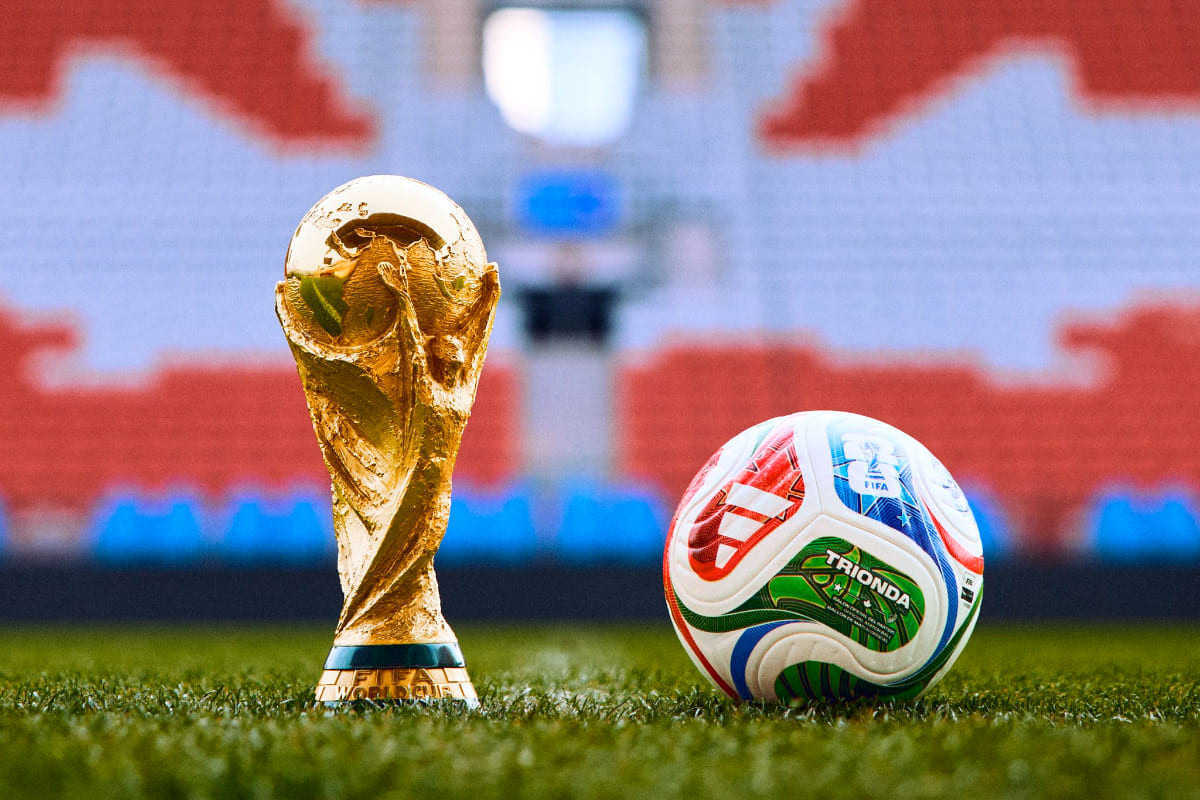

Football’s world governing body, FIFA, has introduced a new stadium policy prohibiting fans from bringing refillable water bottles into venues during the 2026 FIFA World Cup, a move that has sparked debate over supporter welfare and safety amid concerns about extreme heat at tournament locations.
The decision reverses an earlier guideline that allowed spectators to carry empty, transparent reusable plastic bottles with a capacity of up to one litre into stadiums. Under the updated code of conduct, reusable water bottles are now explicitly banned from all World Cup venues.
FIFA said the change was driven by safety considerations and the need to maintain a consistent policy across stadiums in the United States, Canada and Mexico, where several venues already prohibit outside bottles during major sporting events.
In a statement, the organisation said the restriction was intended to reduce the risk of injuries to players, officials and spectators, noting that bottles can potentially be used as projectiles inside crowded venues. FIFA added that hydration stations, misting areas, cooling tents and other heat-relief facilities would be made available around stadium precincts throughout the tournament.
The policy, however, has drawn scrutiny from fan groups and health experts, particularly as the World Cup is expected to be played under challenging weather conditions in several host cities. Supporters attending matches will now be required to purchase bottled water inside stadiums, although FIFA insisted that prices would remain in line with those charged during other events at the respective venues.
Other News
Concerns over heat management have intensified following recent research by climate experts. A report by the World Weather Attribution group estimated that 26 of the tournament’s 104 matches could be played under conditions where the Wet Bulb Globe Temperature (WBGT) exceeds 26 degrees Celsius, a level associated with elevated heat stress risks for both athletes and spectators.
The WBGT index measures the combined impact of temperature, humidity, wind and solar radiation on the human body and is widely used to assess heat-related health risks during outdoor sporting events.
Similar concerns emerged during last year’s FIFA Club World Cup in the United States, where fans complained about high temperatures at several venues. Spectators at that tournament were also barred from bringing water bottles into stadiums, prompting criticism from supporter groups.
The 2026 FIFA World Cup, jointly hosted by the United States, Canada and Mexico, will be the largest edition of the competition, featuring 48 teams and 104 matches across 16 host cities. With millions of fans expected to attend, the latest policy is likely to remain a key talking point as preparations for the tournament continue.