Follow Us on Google

By Merit Ibe
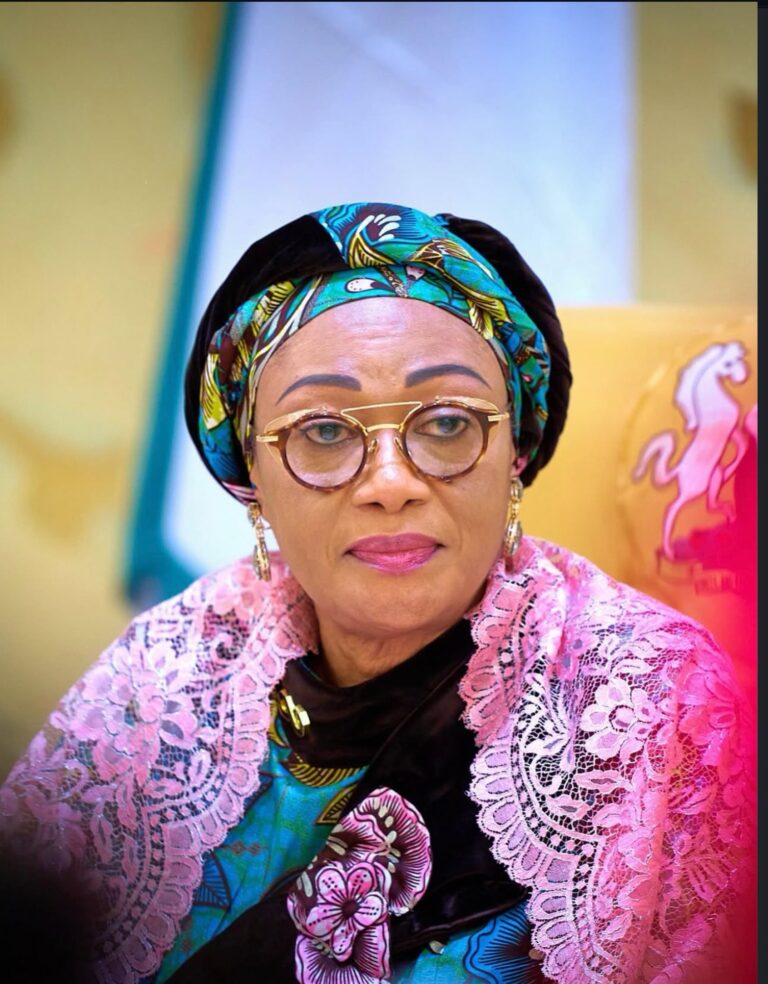
The Minster for Industry Trade and Investment, Dr Doris Uzoka-Anite, has assured that the newly amended and approved Nigeria Trade Policy document (2023-2027) will unlock the country’s economic potential and foster diversification to non-oil commodities.
Uzoka-Anite made the remark while addressing the Nigeria Trade Dialogue in Abuja, hosted by the National Export Promotion Council (NEPC) with the theme ‘Trade as a catalyst for economic diversification’, noted that the policy is a road map that will set the country’s trade, industry and investment sectors on the path of prosperity.
The minister said herself and her team have expunged all possible bottlenecks, simplifying all trade apparatus, infusing wide-ranging reforms and unprecedented growth plans to unlock economic potentials and foster diversification to non-oil commodities, encouraging stakeholders to leverage on trade for growth and collaboration.
Uzoka-Anite disclosed that Nigeria is at a cross road, which will either make or mar its economic trajectory but that the President Bola Tinubu-led administration’s blistering economic reforms and identifying underlying issues mitigating the delivery of a robust trade framework and Nigerians’ can-do spirit will set the country on the right path with promising trade opportunities.
She stated that trade plays a pivotal role in the growth of every nation and under her leadership, she is ready to take the bull by the horns by addressing all issues that are causing stunted growth with constant dialogue with stakeholders and fostering a symbiotic partnership with the private sector to bring the needed growth for a blossoming trade regime.
Uzoka-Anite also noted that the current harsh economic challenges is a global phenomenon that’s not limited to Nigeria.
She however said president Tinubu’s drive force has further made it easier to get the needed result by prioritizing pragmatic and long-lasting solutions to issues regarding trade in Nigeria under the umbrella of the Renewed Hope Agenda,
According to her, the Renewed Hope Agenda aims to attract foreign investment, boost exports, and create jobs through a stable, transparent, and clear regulatory framework.
It will, according to her, also “harness Nigeria’s abundant natural and human resources with a key focus on prioritizing value-addition in non-oil exports to enhance competitiveness, increase foreign exchange earnings, leveraging on the teeming population of the country which is young and tech-savvy.
“As the largest economy and market in Africa boasting over 200 million people, with a GDP of N52.1 trillion, the country is poised for astronomic growth. The National Bureau of Statistics, NBS reported positive trade figures for the second quarter of 2023, with exports increasing by 8.15% and a trade balance of N1,289.46 billion”, the Minister said.
She also revealed that with the workflow, Nigeria is steadily rising into a new dawn to reclaim its lost glory as truly the giant of Africa in terms of trade and economic prowess.
While commenting on the expedited establishment of the National Quality Council (NQC), which will monitor compliance, regulate imported and locally produced goods to meet global standards and reduce the influx of substandard goods into the country, the minister said the Council will improve the business environment, bringing sanity and also create healthy competition.
She, however, urged Nigerians to be patient with the administration as it is working round the clock to ensure quick delivery of the dividend of democracy through job creation, ease of doing business, unlocking economic potentials, food security, shunning importation and improving homegrown products among other economic drivers.
“We are committed to reforms by focusing on key resources with a positive outlook on the future. The Nigeria Trade Dialogue will always provide us with a platform for forging healthy partnerships, exploring opportunities, and potentially paving the way for a prosperous future driven by bilateral trade and investment, giving more attention to a more holistic approach to ensuring economic and human development.”