Follow Us on Google
…As experts say opacity, weak accountability major threats to Nigeria’s democracy
By Chinelo Obogo
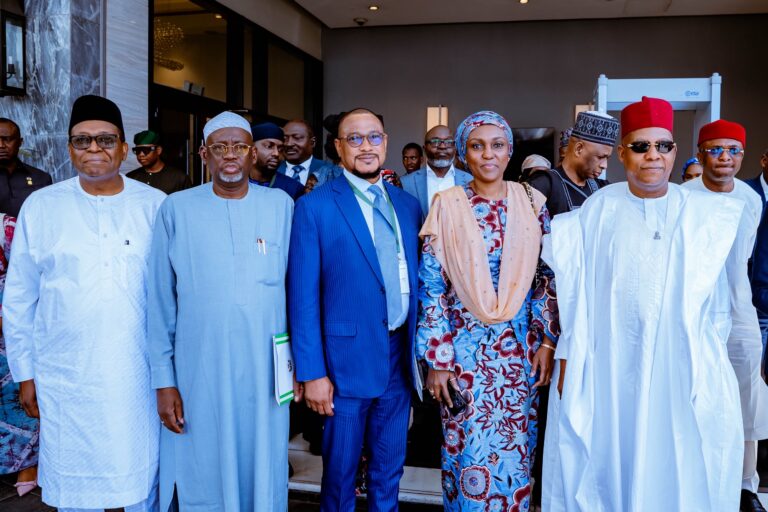
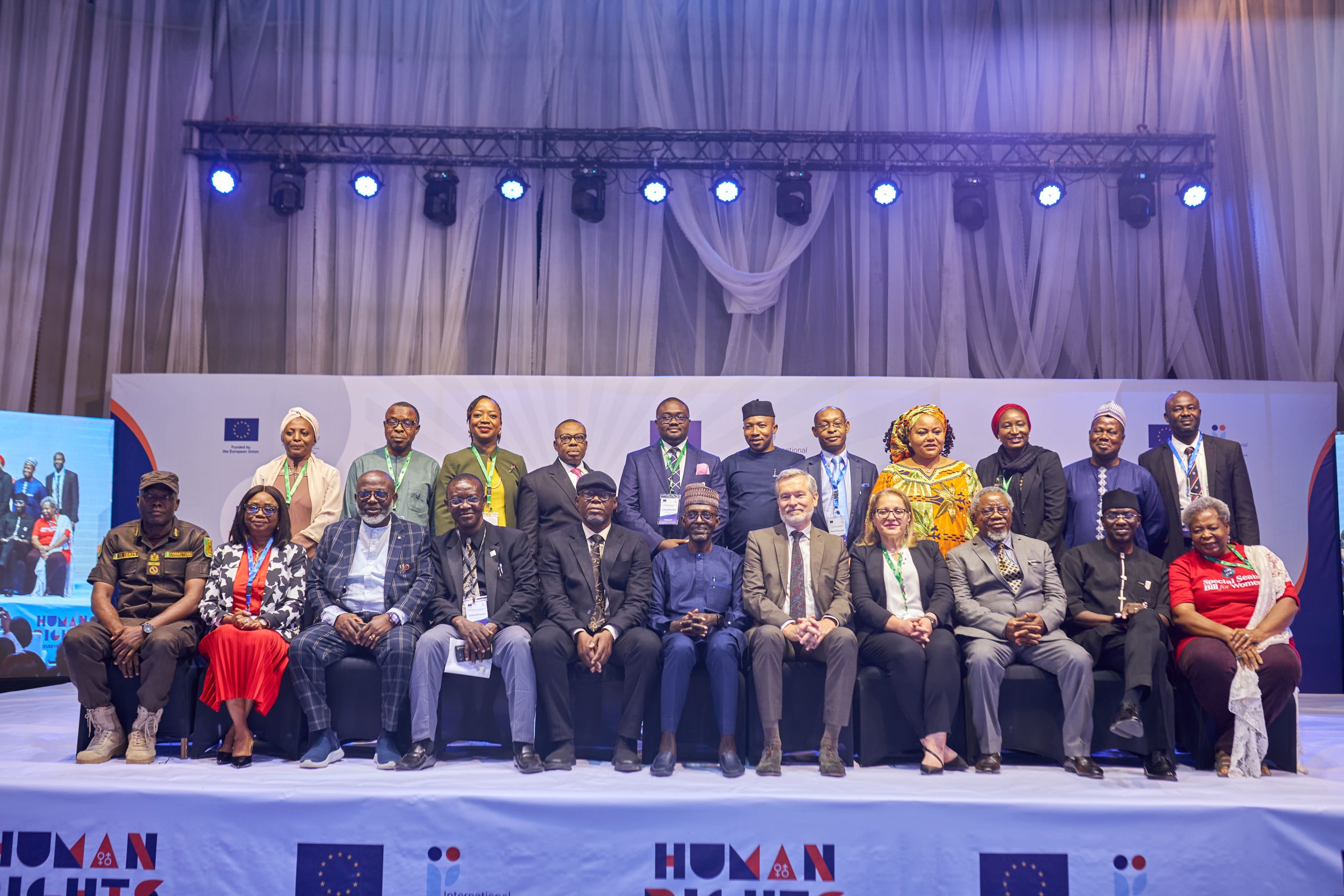
Stakeholders at the 2025 International Human Rights Day Conference in Abuja have warned that Nigeria risks further institutional decay unless stronger measures are taken to enforce the Freedom of Information Act and protect free expression across all spheres of public life.
The event, convened by International IDEA through the EU-funded RoLAC Programme, examined progress and persistent barriers in Nigeria’s transparency ecosystem 14 years after the FOI Act became law. Speakers emphasised that the gap between legal rights and lived reality remains the most significant obstacle to strengthening democracy in Nigeria.
In his address, RoLAC Programme Manager for Access to Information, Dr. Emmanuel, noted that while Nigeria has made commendable strides, including increased FOI requests, civil society monitoring, and a Supreme Court judgment mandating compliance across federal, state, and local levels—deep structural challenges persist. He highlighted entrenched secrecy culture, deliberate resistance from MDAs, inadequate disclosure systems, and limited public awareness as key obstacles to transparency. He identified the absence of consequences for violations as the most pressing weakness: “When institutions face no repercussions for ignoring the law, the right to information becomes hollow,” he said
The Attorney-General of the Federation echoed similar concerns, stressing that freedom of expression and access to information are “practical necessities, not abstract ideals,” essential for public participation, accountability, and rule of law. He reaffirmed the government’s commitment to strengthening FOI implementation but acknowledged that misinformation and digital harms complicate the landscape. “Democracy cannot thrive where citizens are denied the information required to participate meaningfully,” he said
International IDEA’s Head of Programme, Danladi Plang, expanded the critique by exposing gaps in access to legal information, particularly for frontline justice actors. Many police officers, he stated, lack access to basic legal texts, resulting in enforcement driven by “whim rather than law.” He argued that FOI implementation must include a nationwide strategy for legal information access to protect due process and prevent abuses
In a broader global framing, EU Ambassador Gautier Mignot warned that threats against journalists in Nigeria constitute a direct attack on democracy itself. He urged the government to strengthen judicial processes for investigating crimes against journalists and eliminate impunity. He praised civil society and young Nigerians for leveraging technology to expand democratic space, even amid risks. “Freedom of expression is not granted by the state; it is inherent,” he reminded participants
Participants concluded that Nigeria’s transparency landscape stands at a decisive turning point. Without stronger enforcement, digitalisation reforms, and consistent political will, the FOI Act may remain a symbolic victory rather than a functional tool for democracy.