Follow Us on Google
By Damilola Fatunmise
Nigeria’s health system is undergoing a quiet but important shift. For decades, the dominant focus has been infectious diseases, outbreaks, and maternal and child health. Today, another challenge is rising steadily into focus. Noncommunicable diseases such as diabetes, hypertension, chronic kidney disease, Glaucoma and cardiovascular conditions are shaping the long term health profile of the population.
Unlike acute infections that present and resolve in short cycles, noncommunicable diseases require continuous care, monitoring, and sustained patient engagement. They do not end with a single consultation or procedure. These Conditions require systems that support patients over time, across multiple points of contact, and through different stages of treatment and recovery.
This change is compelling medical professionals and organizations to reconsider the definition of success in the provision of healthcare. Measuring just the number of patients treated is no longer sufficient. More focus is being placed on the outcomes of treatment, including whether patients fully recover, whether problems are avoided, and whether people are assisted in maintaining long-term health.
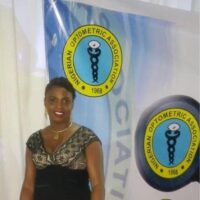
Healthcare workers that operate at the nexus of clinical treatment and patient management are becoming more and more crucial in this changing environment. One such expert is Dr. Oparah Onyekachi Stephanie, who is contributing to the advancement of integrated approaches that incorporate patient engagement, population health measures, and preventative care to enhance health outcomes as healthcare systems adjust to the increasing effect of chronic diseases.
Dr. Onyekachi’s work is focused on increasing preventative healthcare and improving population health outcomes. She contributes to addressing the growing burden of chronic eye diseases by advocating more proactive and accessible healthcare services for communities in most need.
At the core of Dr. Onyekachi’s work is a strong emphasis on continuity of care. This includes preparing patients before procedures, ensuring they understand their condition and treatment, and maintaining structured follow up after clinical interventions. In healthcare systems where patients often move between providers and facilities without coordinated tracking, this approach helps reduce gaps that can lead to complications or poor outcomes.
Managing chronic conditions requires more than clinical treatment alone. It requires systems that support adherence, education, and sustained engagement. Many patients living with diabetes or hypertension, for example, may not experience symptoms in the early stages. As a result, they may underestimate the seriousness of their condition or delay follow-up care. Over time, this may result in complications that affect multiple organs, including vision, circulation, and kidney function.
Healthcare professionals that work closely with such patients frequently emphasize the importance of patient education and structured follow-up. Within this setting, Dr Onyekachi’s work exemplifies a broader public health principle, patients get better outcomes when they are led regularly throughout their healthcare journey rather than being treated in isolated episodes.
Dr Onyekachi’s clinical work involves guiding patients through all stages of treatment for complex vision-threatening illnesses. Her patient-centered approach acknowledges the intimate link between eye health and general well-being, ensuring that larger medical problems are examined alongside treatment and recovery strategies.
In practice, this means ensuring patients are adequately prepared before surgery, both physically and in terms of understanding what to expect during recovery. It also involves structured follow up to track healing, identify complications early, and provide ongoing guidance. This continuity reduces preventable setbacks and supports better long term outcomes.
Her experience in clinical care highlights an important gap in many healthcare systems: the disconnect between treatment and recovery. While many patients receive interventions, fewer get structured post treatment support that guarantees continued improvement. This gap is especially important in managing noncommunicable diseases, where long term adherence and monitoring are essential.
Other News
According to colleagues who have worked alongside Dr Onyekachi, her strength lies in her capacity to connect clinical care with patient education and long-term follow-up, making sure that patients continue engaged throughout the treatment process.
This emphasis on engagement is especially important in situations where health literacy varies widely. Patients may not fully understand medical instructions or may experience barriers such as transportation, cost of care, or family responsibilities. Lacking adequate support, these barriers can reduce the effectiveness of even the best clinical interventions.A supervisor familiar with her work notes that Dr Onyekachi consistently emphasises patient preparation and recovery, recognising that successful treatment depends on what happens before and after a procedure as much as on the procedure itself.
This perspective fits closely with global public health thinking, which increasingly recognizes that medical outcomes are determined by systems of care rather than isolated clinical events. In other words, the quality of recovery is just as important as the quality of treatment.
Within the wider context of Nigeria’s health system, this approach has significant implications. As the burden of noncommunicable diseases grows, healthcare facilities are under growing pressure to deliver not only more services but better coordinated care. Patients need systems that help them move readily from diagnosis to treatment and from treatment to long term management.
In many cases, this requires stronger integration between levels of care. Primary care providers, specialists, and community health workers all play a role in upholding continuity. Without coordination, patients may fall through gaps in the system, leading to preventable deterioration of their condition.
Early detection is still one of the most effective techniques for averting significant health consequences, especially since many chronic diseases develop without obvious signs. Regular health examinations, patient education, and community awareness programs all contribute to the early detection of risk factors. Routine healthcare contacts frequently reveal indicators of underlying systemic diseases, allowing for prompt referrals and treatments. As a result, frontline healthcare providers play an important role in illness prevention, early detection, and overall public health initiatives.
Dr. Onyekachi’s work reflects this combined role of clinical practice and public health contribution. While her daily responsibilities involve direct patient care, the outcomes of that care help form a larger system of prevention, detection, and long term disease management.
As Nigeria’s healthcare systems advance, it is becoming clear that long-term progress requires increasing the relationship between clinical services and public health outcomes. This includes improving patient education, strengthening follow-up systems, and ensuring that care does not stop at the moment of treatment.
The increased emphasis on noncommunicable diseases highlights the importance of this coordinated approach. Unlike acute illnesses, many problems demand ongoing participation, lifestyle adjustments, and close monitoring. Without these goods, patients are at danger of recurring problems and preventable deterioration.
Healthcare professionals who operate at this intersection are increasingly seen as essential to improving outcomes. Their work supports individual patients and broader system efficiency, reducing avoidable complications and improving long term health indicators.
In this changing context, continuity of care is more than a clinical practice; it becomes a public health strategy. It guarantees interventions have a long-term impact and that patients are supported beyond the immediate moment of treatment.
Healthcare strategies focused on patient engagement, early intervention, and integrated treatment are becoming more crucial as Nigeria’s chronic disease burden rises. Through her work, Dr. Onyekachi advances a more patient-centered, responsive, and preventive healthcare system by highlighting the need of seeing healthcare as an ongoing process.