Follow Us on Google
From Sola Ojo, Abuja
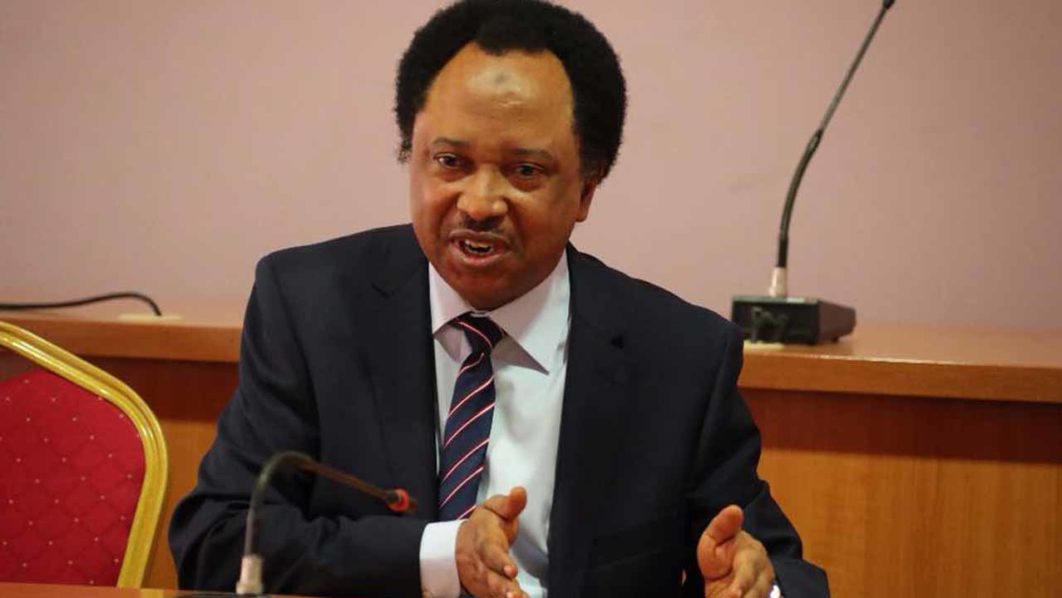
Kaduna Central Senator in the eighth assembly, Shehu Sani, has urged Catholic bishops in Nigeria to acknowledge what he described as the achievements of President Bola Tinubu’s administration while sustaining constructive criticism to compel the government to do more.
His comments came amid renewed debate over the performance of the Tinubu administration, with religious leaders, civil society organisations and opposition figures continuing to scrutinise government policies and their impact on citizens.
Specifically, Cardinal John Onaiyekan, former Archbishop of Abuja, recently criticised the administration of President Tinubu over Nigeria’s worsening economic conditions and questioned the quality of information reaching the President.
Speaking on Arise Television’s Prime Time programme on Friday, Onaiyekan disclosed that the Catholic Bishops had candidly informed President Tinubu during a recent meeting at the State House that the country’s economic hardship was placing unbearable pressure on millions of poor Nigerians. He also suggested that the President was not receiving accurate briefings on the realities facing citizens.
The respected cleric further warned that Tinubu appeared determined to secure re-election in the 2027 general election “by all means”, expressing concern that the incumbent government’s access to state resources could undermine the credibility and fairness of the electoral process.
The comments drew a swift response from the Presidency. Daniel Bwala, Special Adviser to the President on Policy Communication, dismissed Onaiyekan’s position as politically coloured, arguing that the cleric spoke only for Catholics and not for the wider Christian community. Bwala maintained that President Tinubu’s assessment of the economy was supported by verifiable facts and official statistics, describing the cardinal as “more political than spiritual.”
Sani, in a statement yesterday, said the Catholic Church had over the years played a significant role in shaping national discourse, promoting moral values and holding governments accountable.
He, however, appealed to the bishops to assess the Tinubu administration’s performance against the realities inherited from previous administrations, rather than judging the government in isolation.
“We appreciate what Tinubu has achieved in infrastructure, security and the economy,” urging Catholic leaders to “encourage the President to achieve more.”
Sani believed that the Catholic hierarchy, respected for its integrity and moral authority, had an important role to play in ensuring that government remained accountable while also recognising areas where progress had been recorded.
Other News
According to him, developments in road infrastructure, security and the economy should be assessed objectively against the situation before the present administration came into office.
“The role the Catholic leaders have played in the past is appreciated, but they should compare the situation of the country before the present administration,” he said.
Sani urged the bishops to sustain their engagement with the government but ensure that such interventions were grounded in facts, evidence and practical recommendations.
He noted that constructive engagement between religious leaders and government would not only strengthen accountability but could also help the administration deliver greater dividends of democracy to Nigerians.
Reacting to the exchange on Saturday through his verified X account Sani had defended the Catholic Bishops’ Conference of Nigeria (CBCN) against accusations of partisanship, insisting that the bishops have maintained a long-standing tradition of speaking truth to those in authority regardless of who occupies the presidency.
He stressed that the church’s leadership had consistently challenged governments since Nigeria’s years under military rule.
“From the era of military rule and throughout the period of civilian governments, the Catholic Bishops have a consistent history of telling truth to power,” Sani wrote, arguing that the bishops had never aligned themselves with any political party or administration.
The former lawmaker added that successive presidents had received the same forthright treatment from the Catholic leadership whenever engagements took place, regardless of their political affiliation.
In a symbolic reference to the bishops’ approach, Sani said they traditionally presented presidents with bitter kola rather than olive oil, suggesting that they preferred honest counsel over flattering political endorsements.
His intervention has added another dimension to the debate over the role of religious leaders in Nigeria’s public affairs, with supporters arguing that faith-based institutions have a constitutional and moral responsibility to hold governments accountable, while critics insist that clerics should avoid comments capable of being interpreted as political interventions.
The latest exchange comes as public discourse over governance, economic hardship and preparations for the 2027 general election continues to intensify, with opposition figures, civil society organisations and religious leaders increasingly weighing in on the direction of the country under the current administration.