Follow Us on Google
By Tunde Adebayo
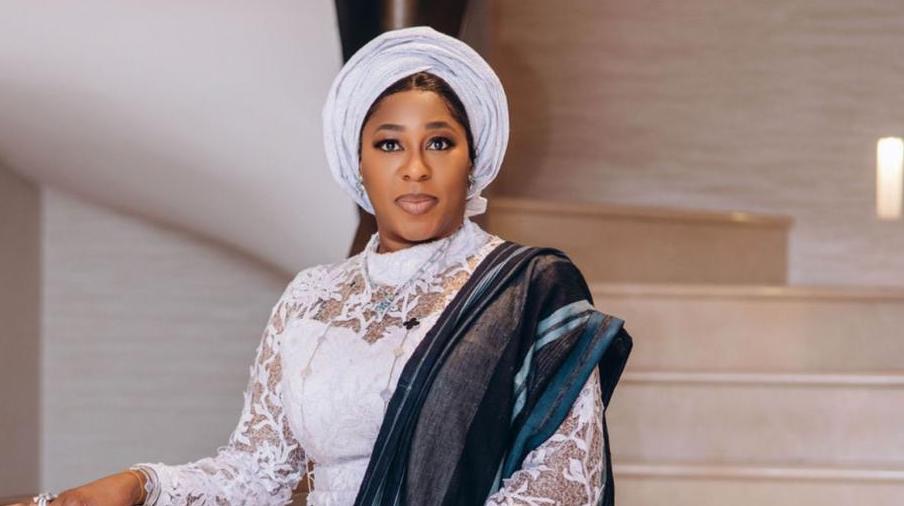
The nine-year legal nightmare of Nigerian businesswoman and oil mogul Olatimbo Ayinde serves as a harrowing indictment of how international anti-corruption crusades, amplified by a toxic media rush to judgment, can effortlessly crush an innocent reputation. For nearly a decade, Ayinde found herself trapped in a high-profile corruption web, her name carelessly weaponized by the press and tethered to Nigeria’s former petroleum minister, Diezani Alison-Madueke, long before a single piece of evidence was ever tested in court. Her definitive total acquittal by a London jury at Southwark Crown Court is not merely a monumental personal vindication, but a stinging rebuke to a sensationalist press that effectively signed, sealed, and delivered her guilt to the court of public opinion based on unproven law enforcement theories.
In what can only be described as a textbook “trial by headline,” the media’s frantic, revenue-driven race for clicks completely discarded journalistic nuance under section 1 of the Bribery Act 2010. Olatimbo Ayinde was forced to face two staggering bribery counts—one tethering her to the grand corruption narrative of Diezani Alison-Madueke, and a second alleging a $5 million illicit payment to Emmanuel Ibe Kachikwu during his August 2015 tenure as Group Managing Director of the NNPC. Rather than examining the actual merits of the case, a sensationalist press instantly caricatured Ayinde as a corrupt co-conspirator. They actively chose to ignore her unblemished 17-year career as a legitimate executive steering complex enterprises across petroleum distribution, logistics, maritime services, and infrastructure. Instead, media outlets gleefully lumped her into a singular, weaponized narrative of public looting. They used the massive, multi-million dollar allegations surrounding the former minister to paint Ayinde with the same broad brush of systemic guilt long before she ever had her day in court.
In reality, Ayinde’s decade-long legal nightmare began not with illicit backroom oil deals or corrupt corporate maneuvering, but with a basic act of human kindness. She simply allowed Haruna Momoh, a cancer-stricken former Managing Director of the PPMC, to use her credit card to cover his critical medical expenses during his treatment in the United Kingdom. However, because British investigators later linked some of those routine medical transactions to benefits allegedly received by former Petroleum Minister Diezani Alison-Madueke, the Crown’s lawyers aggressively twisted this humanitarian gesture into a criminal enterprise, arguing fiercely in court that the payments amounted to improper bribes. The prosecution’s entire strategy relied on broad, sensationalized strokes, weaponizing a pre-packaged narrative that accused Alison-Madueke of extracting luxury goods, private jet flights, and prime real estate from oil sector players. By forcing Ayinde’s transparent financial links into this grand corruption web, international investigators completely ignored the defense’s clear position that these transactions were entirely non-corrupt and deeply misunderstood. In their zealous rush to secure a high-profile conviction, the state effectively criminalized genuine human empathy, choosing to feed a ravenous public appetite for scandal rather than examining the individual, life-saving facts of the case.
The trial exposed a profound and disturbing disconnect between overzealous UK prosecutors and the complex, high-stakes reality of navigating state security operations in Nigeria. Defending herself against the Kachikwu charge, Ayinde revealed that after being approached for a bribe by Dumebi Kachikwu—brother to the former NNPC chief—she immediately reported the extortion to Nigeria’s Department of State Services (DSS), who explicitly instructed her to “play along” as part of an active sting. Rather than recognizing her status as a cooperative state asset, the Crown fiercely rejected her explanation. In a cynical display of judicial overreach, prosecutors dismissed the official accounts of Nigerian security agencies out of hand, branding the testimonies of sovereign government officials as outright fabrications in their singular focus on securing a high-profile conviction.
However, the prosecution’s aggressive timeline completely collapsed when confronted with indisputable documentary evidence. Ayinde’s legal team produced a critical DSS letter proving she had blown the whistle on the extortion plot from the very beginning—a document officially validated by Nigeria’s Attorney General during a state visit to London. This ironclad whistleblower defense was further solidified when a senior Economic and Financial Crimes Commission (EFCC) investigator traveled to London to testify under oath that Ayinde had proactively provided the vital intelligence that drove the entire anti-corruption inquiry. By dismantling the Crown’s narrative, this evidence proved that the prosecution had spent years targeting a legitimate state informant, exposing how easily blind legal ambition can mistake a whistleblower for a criminal.
The UK jury’s acceptance of this defense also represents a critical validation of Nigeria’s sovereign institutions. By honoring the DSS intelligence protocols and trusting the sworn testimony of the EFCC investigator, the British court system acknowledged that Nigeria’s internal anti-graft apparatus operates with credible integrity. This delivers a sharp rebuff to the historically patronizing Western narrative that African security intelligence is fundamentally unreliable. The collapse of the Crown’s prosecution proves that international bodies cannot simply bypass the ground realities of local African security operations. By confirming that a legitimate Nigerian businesswoman was acting as a strategic state asset rather than a corrupt oil tycoon, this verdict forces international courts to treat Nigerian corporate structures and legal defenses with institutional respect.
After an exhaustive six-month trial and more than 46 hours of intense court deliberation, the London jury completely rejected the prosecution’s overreached theories, delivering a decisive blow to the state’s narrative. The court fully cleared former minister Diezani Alison-Madueke of all six charges, acquitted her brother Doye Agama, and entirely vindicated Olatimbo Ayinde of all bribery allegations. This historic verdict stands as a stinging rebuke to both overzealous international prosecutors and a reckless modern press. For nine grueling years, the National Crime Agency’s investigation was treated by reporters not as a preliminary inquiry, but as an absolute done deal, crippling Ayinde’s legitimate business enterprises and subjecting her family to a decade of unjust global vilification.
Ultimately, this case serves as a profound cautionary tale for contemporary journalism, exposing the devastating real-world consequences when the media abdicates its core duty to the public. By blindly acting as an uncritical megaphone for the prosecution, the press chose sensationalism and clicks over basic human fairness, trying and convicting an innocent woman in the court of public opinion long before a single shred of evidence was tested. Ayinde has finally reclaimed her freedom, her dignity, and her name through the rule of law. However, the media houses that spent nearly a decade carelessly tearing down her standing now face a profound moral verdict—they cannot easily restore a reputation they so aggressively and systematically destroyed.