Follow Us on Google
From Noah Ebije, Kaduna
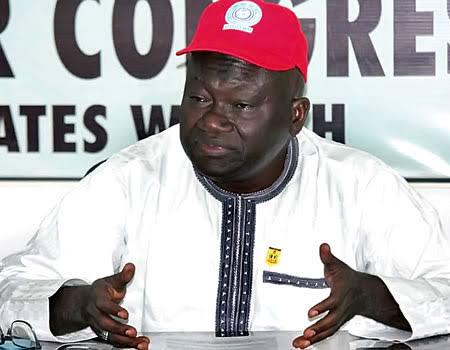
President, National Union of Textile Garment and Tailoring Workers of Nigeria (NUTGTWN), Comrade John Adaji, has said that Federal Government and the 19 Northern governors can revive all the comatose textile industries, especially those in Northern part of the country.
He noted that each governor can easily cough out N50 million and inject into the revival of the industry, “because this money is a chicken change to them if they actually mean business.”
Addressing the 35th Annual Nation’s National Education Conference of NUTGTWN, Comrade Adaji said if each of the governors agreed to contribute N50 million, it will help to bring life back to some of the textile industries in Northern region.
Speaking on the conference theme, ‘The Future of Work in the Nigeria Textile and Garment Industry’, Adaji called on the Federal Government to take drastic steps to save the textile sector through tightening up of the nation’s borders by the Nigeria Customs Service.
He also called for increase in import duties for finished textile products, granting of tax waivers to local industries, provision of adequate infrastructure especially energy and availability of forex to import raw materials, among other measures.
His words: “Today, the cotton, textile and garment sub-sector of the economy which used to be the second largest employer of labour after the public sector is on steady decline due to company closures and massive loss of jobs. Massive and indiscriminate importation of textile products has become the order of the day.
“It is time to address decisively the perennial challenges facing the textile industry particularly smuggling and electricity supply.
We also urge governments at all levels to direct their procurement policies towards patronage of Made-in-Nigeria textile fabrics in line with the Executive Order of the previous administration.”
Also speaking, the Director General of Nigerian Textile Garment and Tailoring Employers, Dr. Hamma Kwajafa identified poor infrastructure as the bane of Nigeria’s economic development, saying that the country’s drive for foreign investments cannot succeed without critical infrastructure like power in place.
Kwajafa noted that South Africa’s economy is doing better than Nigeria’s because of steady electricity supply.
According to him, South Africa with population of just 60 million people, can boast of 50,000 megawatts of electricity, while Nigeria with population of over 200 million people, is battling with 7,000 megawatts of electricity.
He said, “that cannot drive a prosperous economy,” adding, “We say Nigeria is the giant of Africa, but infrastructure is our biggest challenge.”