Follow Us on Google
Distributes election materials for direct mode
______________________________________________________________________
From Romanus Ugwu, Abuja
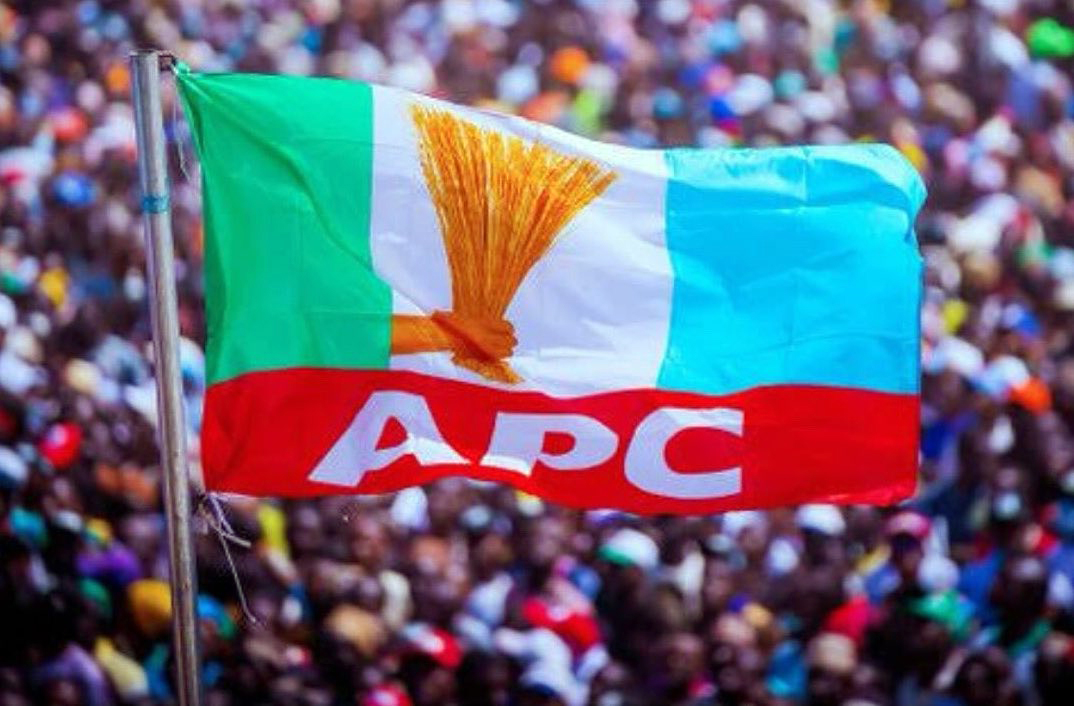
In what could be described as a significant policy shift ahead of the primaries for the House of Representatives, the National Working Committee (NWC) of the All Progressives Congress (APC) has backed down on its initial arrangement to adopt the consensus mode of primary elections, settling for direct primaries.
The decision, according to sources at the headquarters of the ruling party in Abuja, followed widespread internal resistance from aspirants and grassroots party members across the 360 federal constituencies.
Although the National Working Committee (NWC) initially opted for consensus to bolster party cohesion, the party’s Organising Department on Thursday dispatched election materials and result sheets to all states, confirming the last-minute change of plan to direct primaries.
A member of the ruling party’s national leadership noted in confidence that the leadership decided to adopt a flexible approach to avoid a full-scale internal crisis.
“Reports across many states available to the NWC indicate that our members and aspirants would rather subject their aspirations to an election than concede to consensus,” the source stated, explaining: “Mindful of this demand, the NWC has directed that everybody should go to the field where aspirants and stakeholders cannot agree.”
Other News
The shift in strategy, according to investigations, was as a result of protests rocking several states over stakeholders’ opposition to the consensus mode of primaries, with many feeling that consensus is a smokescreen for “imposition.”
Supporters of former Minister of Power, Adebayo Adelabu, had stormed the party’s state secretariat in Ibadan to protest the endorsement of Senator Sharafadeen Alli as the consensus governorship candidate.
The protesters brandished posters with various inscriptions such as: “Imposing a candidate denies others fair opportunity.” “We demand transparency and adoption of direct primaries.”
Again, stakeholders in Ile-Oluji/Oke-Igbo and Odigbo Federal Constituency had raised the alarm over “imposition politics,” resulting in tensions flaring following reports that Hon. Mathew Oyerinmade (MATO) was redirected to the House of Representatives seat after a failed senatorial bid, a move critics labelled a “consolation prize.”
Party stakeholders in the North West were equally vocal, with former Minister of Communications, Prof. Isa Pantami, vowing to fight consensus in Gombe State.
The situation is the same in Nasarawa and Yobe States, where security heavyweights like former IGPs Abubakar Mohammed Adamu (Nasarawa) and Usman Alkali Baba (Yobe), alongside Mathias Byuan (Benue), have all voiced their preference for a competitive process.
The House of Representatives primaries billed for Friday kick off a series of elections that will be a litmus test for the party’s precarious internal democracy and will culminate in the high-stakes presidential primary scheduled for May 23.