Follow Us on Google
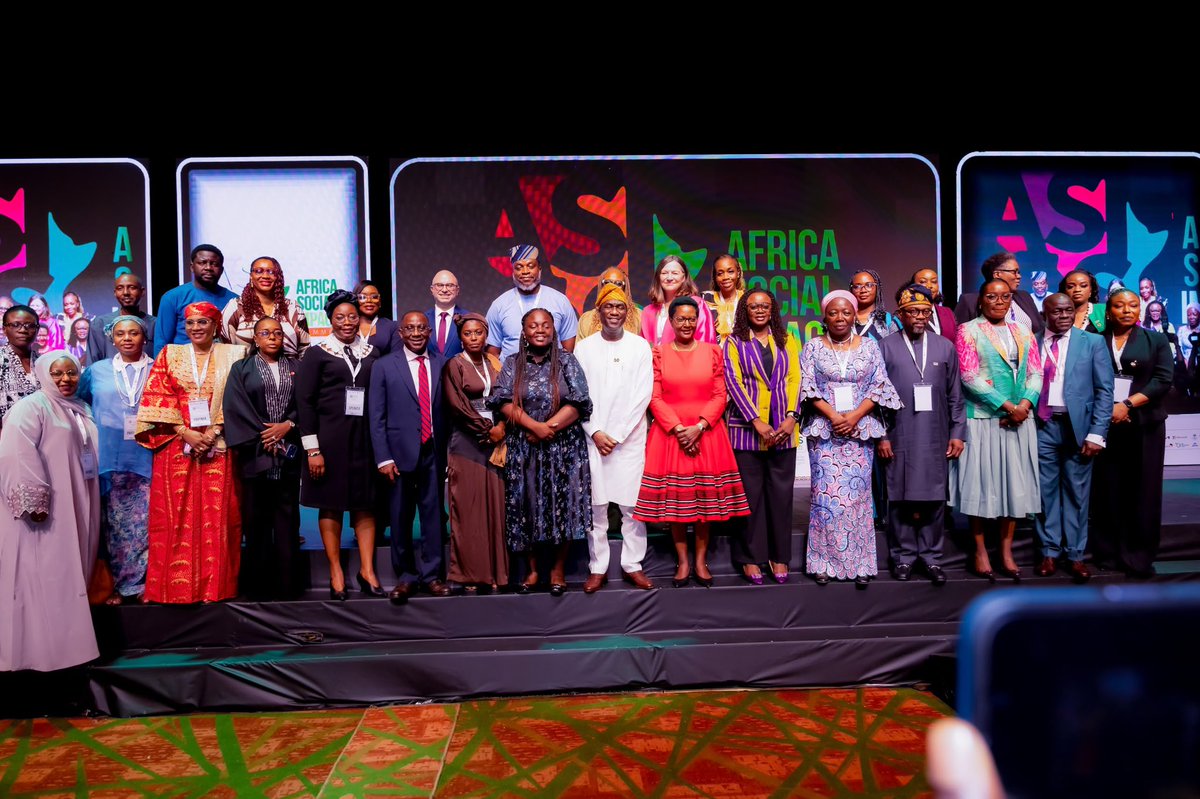
African policymakers, development finance experts, and institutional investors have called for a fundamental shift in the continent’s financing strategy, urging governments to mobilise domestic capital, strengthen macroeconomic stability, and improve investment readiness, as Africa continues to attract less than five per cent of global foreign direct investment (FDI).
The call was made at the Africa Social Impact Summit (ASIS) 2026 in Lagos, where speakers argued that Africa’s development ambitions will depend increasingly on its ability to deploy domestic resources more effectively rather than relying predominantly on external financing.
The discussion comes as donor countries increasingly prioritise domestic spending, global financial conditions remain tight, debt burdens continue to grow across many developing economies, and access to international capital becomes more constrained.
Alternate Executive Director at the International Monetary Fund (IMF), Dr Paul Olowookere, attributed Africa’s limited share of global investment to both structural and macroeconomic challenges.
He noted that while Africa accounts for nearly 20 per cent of the world’s population, it contributes less than five per cent of global gross domestic product, a factor that influences investor appetite.
This position was reiterated during a panel session titled “Financing for Development: Africa Capital Allocation Thesis 2035.” According to the panel, Africa received roughly $70 billion, representing less than five per cent of the estimated $1.7 trillion in global FDI recorded last year, despite accounting for about one-fifth of the world’s population. Participants said the disparity underscores the continent’s persistent difficulty in attracting international investment amid rising global competition for capital.
Olowookere said stronger economic growth, improved information disclosure, better sovereign credit ratings, stable inflation, predictable exchange rates, and transparent data systems would help reduce the investment risk associated with many African economies.
“There is a lot of capital around the world looking for opportunities. Africa must make itself attractive enough while also mobilising domestic capital that can crowd in international investment,” he said.
He added that global capital remains available, but investors require confidence that African economies can provide stable and predictable investment environments before committing long-term funds.
Panellists agreed that Africa must deepen its domestic capital markets by mobilising long-term funding from pension funds, sovereign wealth funds, family offices, and philanthropic organisations to complement international investment.
Other News
From an impact investment perspective, the Associate Director, Investing in West Africa at Acumen, said Africa’s financing challenge extends beyond the availability of capital to the structure of investment opportunities.
Vice President for Africa at Rockefeller Philanthropy Advisors, Henrietta Bankole-Olushina, argued that Africa possesses substantial domestic financial resources but has yet to deploy them strategically. She said philanthropic capital should be used as first-loss funding to reduce investment risks and encourage greater participation from private investors.
According to her, sectors including microfinance and digital financial services expanded after philanthropic organisations financed research, pilot programmes and data generation that demonstrated their commercial viability.
“There is capital in Africa. The issue is not a shortage of money but how we deploy it and how we layer different forms of capital to unlock larger pools of investment,” she said.
Also speaking, Head of the Nigeria Infrastructure Fund at the Nigeria Sovereign Investment Authority (NSIA), Pius Anyiador, identified foreign exchange volatility, weak risk pricing, and concerns over contract enforcement as major constraints to attracting long-term investment. He said many international investors continue to insist on foreign legal frameworks for investment agreements because of concerns about judicial certainty and enforcement in several African jurisdictions.
According to him, improving legal certainty, strengthening project bankability, and developing more effective risk-pricing models would enhance investor confidence.
He argued that governments across Africa need to improve domestic revenue mobilisation to reduce their dependence on borrowing from local financial markets.
He noted that tax revenue in several African countries remains below 10 per cent of gross domestic product, resulting in heavy domestic debt issuance that limits the amount of capital available for private-sector lending. According to him, increasing revenue mobilisation towards 15 per cent of GDP would strengthen government finances while allowing pension funds and other institutional investors to channel more resources into productive private-sector investments instead of government securities.
The speakers agreed that financing Africa’s infrastructure, energy transition, digital economy, healthcare, and industrialisation agenda would require coordinated participation from governments, institutional investors, philanthropic organisations and international financiers through well-structured blended finance arrangements.