Follow Us on Google
Recovers N100bn dormant education funds
The Universal Basic Education Commission (UBEC) has declared that it is charting a new course for Nigeria’s basic education sector after recovering and mobilising more than N100 billion in previously dormant matching grants, describing the feat as a major breakthrough in efforts to improve learning outcomes across the country.
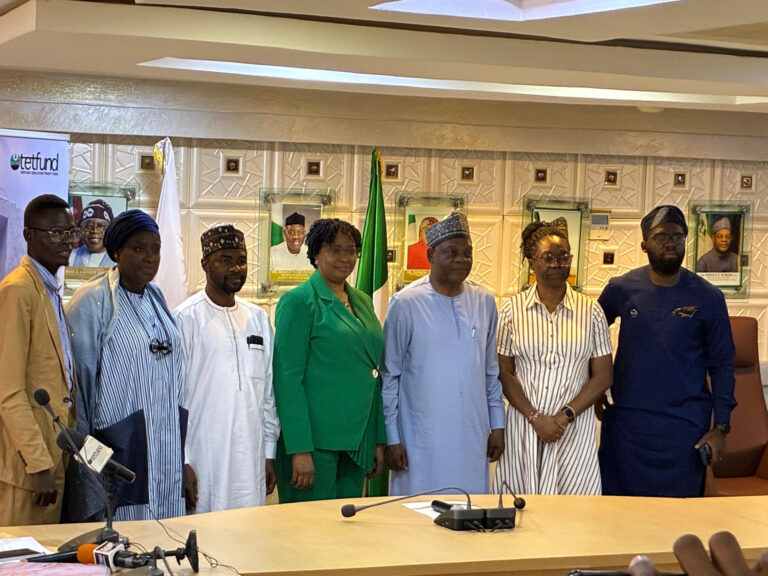
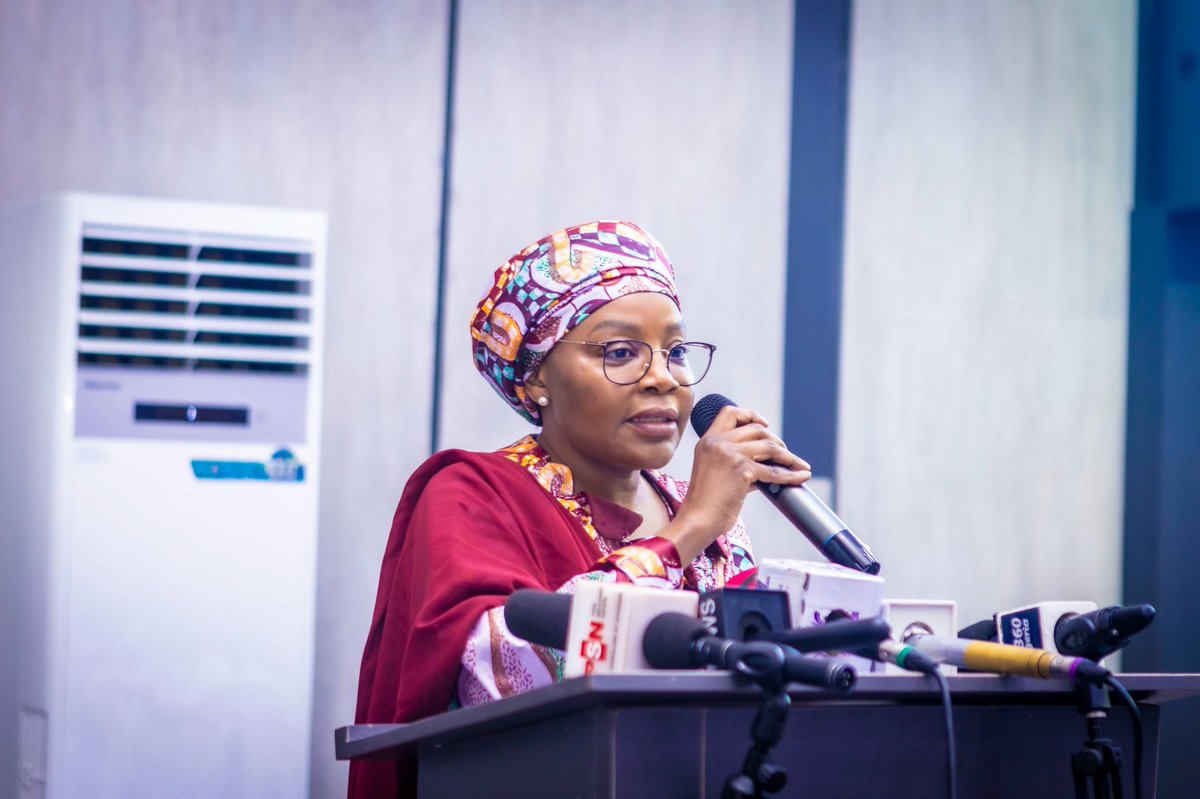
The Executive Secretary of UBEC, Aisha Garba, stated this at a media luncheon with education correspondents in Abuja on Thursday.
She said the commission has moved beyond policy reforms to delivering tangible results that are transforming schools, strengthening teachers and creating better opportunities for millions of Nigerian children.
Garba said the mobilisation of the unaccessed education funds by states and the Federal Capital Territory (FCT) marked a turning point in the implementation of the Federal Government’s education reforms.
“Today, UBEC is writing a new chapter in basic education. Guided by our 2025–2031 strategic blueprint and aligned with the Renewed Hope Agenda of the Federal Government, we are moving beyond reforms to delivering measurable results that are improving schools, empowering teachers and expanding opportunities for millions of Nigerian children,” she said.
Garba explained that the recovered N100 billion is already being deployed by states to improve school infrastructure and provide a more conducive learning environment for pupils.
She disclosed that, in collaboration with State Universal Basic Education Boards (SUBEBs), UBEC has constructed more than 4,600 classrooms, renovated more than 6,100 classrooms, provided 2,780 toilet facilities and 678 boreholes, while supplying more than 334,000 pieces of school furniture to public schools nationwide.
According to her, the commission has also established more than 2,300 Early Childhood Care Development and Education Centres (ECCDECs), expanding access to quality foundational education for young learners.
Other News
Garba further revealed that UBEC has invested more than N20.4 billion in teacher professional development, saying no education system can rise above the quality of its teachers.
She noted that the investment is strengthening classroom instruction, improving school leadership and enhancing accountability through the Effective Schools Programme and School-Based Management Committees.
On technology-driven learning, the UBEC boss said the commission is scaling up Digital Literacy Centres (DLCs), expanding Smart Schools and introducing pupils to emerging technologies such as artificial intelligence, coding and robotics to prepare them for the future.
She added that more than 7.8 million instructional materials have been distributed to schools across the country to improve literacy, numeracy and foundational learning. She added that the commission is also expanding educational opportunities through Open Schooling, Integrated Qur’anic and Tsangaya Education, girl-child education and inclusive education programmes to ensure that every Nigerian child has access to quality basic education regardless of location or social background.
She also highlighted ongoing institutional reforms aimed at strengthening transparency, improving project monitoring and promoting data-driven decision-making to maximise the impact of education investments.
She described the media as a strategic partner in national development, urging education correspondents to continue providing balanced and factual reports that will promote accountability, strengthen public confidence and attract greater stakeholder support for basic education reforms.
Garba also stressed that, although the government would continue to provide leadership and funding, meaningful transformation of the education sector requires the active participation of parents, teachers, communities, development partners and the media.
“Our achievements demonstrate that UBEC is not only investing in schools but also building a stronger, more resilient and future-ready basic education system,” she said.