Follow Us on Google
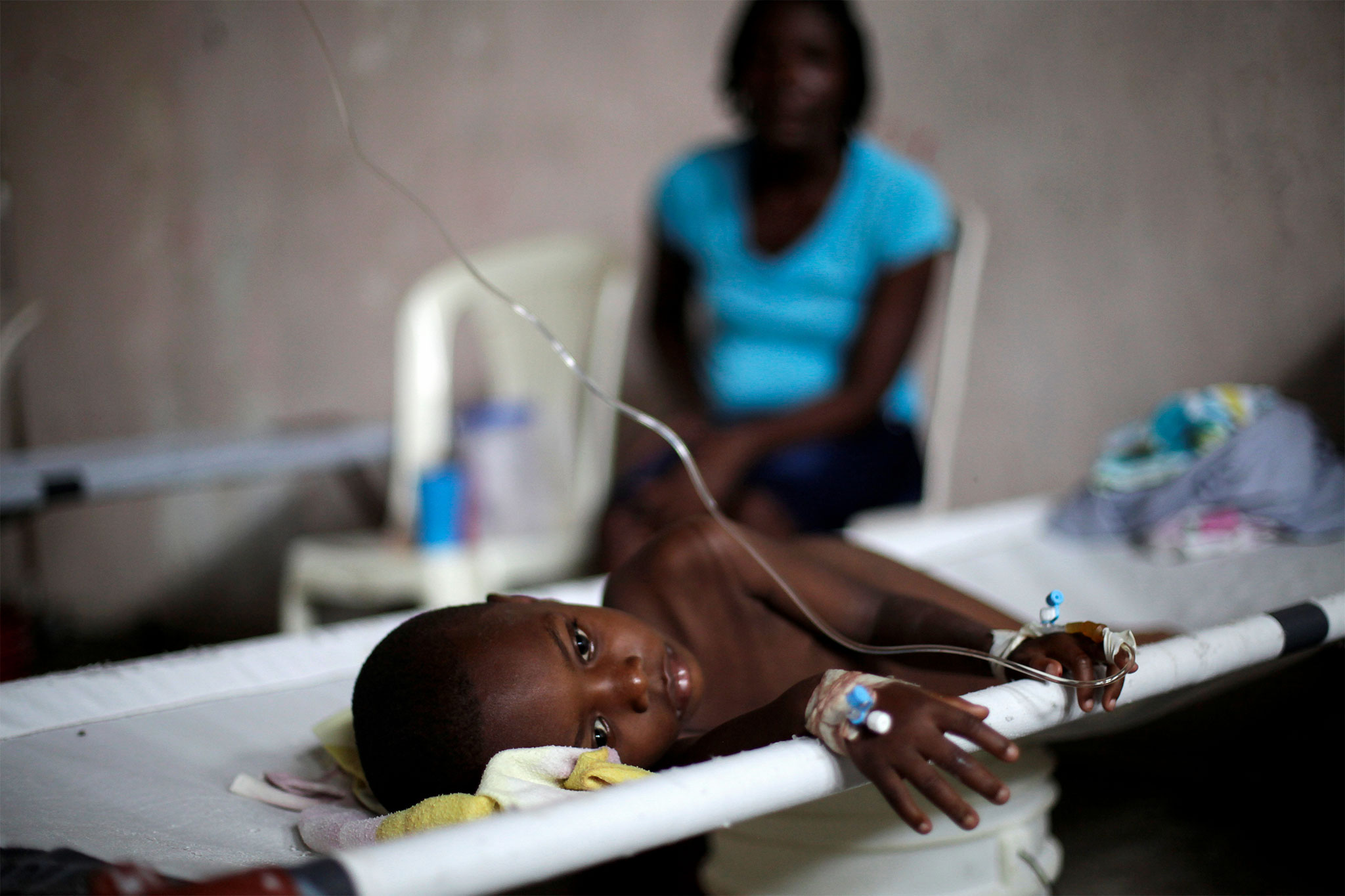
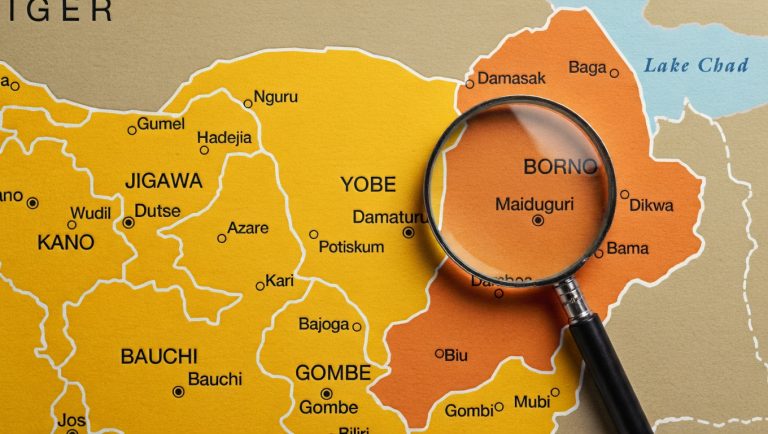
The recent cholera outbreak in Borno State has claimed 40 lives with 272 new cases recorded across 36 wards in some local government areas of the state, as suspected cases have risen to 4,204. The Incident Manager of the Public Emergency Operations Centre, Dr. Jacob Thlizer, revealed that 128 communities in the affected local government areas are currently battling the outbreak. According to Thlizer, Maiduguri Metropolitan Council (MMC) recorded 2,404 cases, Jere 1,214, Konduga 275, Mafa 184, Monguno 90, Kaga 18, Bama eight, Ngala two, and Magumeri one.
The Borno State government has introduced robust measures to contain the situation, while residents are advised to take precautionary measures to curb further spread of the disease. The Borno State Ministry of Health has also established the Emergency and Infectious Disease Centre in Njimtilo and an infectious disease camp with over 1,000 beds at Ngarannam to treat affected persons. The government has distributed Water, Sanitation and Hygiene (WASH) materials, including disinfectants, liquid chlorine, and community education tools to the affected communities.
Medical experts say that cholera is caused by infection with the Vibrio cholerae bacterium. People contract the illness primarily through the faecal-oral route by consuming contaminated food or water. The World Health Organisation (WHO) states that cholera is an acute diarrhoeal infection caused by eating food or drinking water that is contaminated with the bacterium Vibro cholerae. The UN agency further says that cholera remains a global threat to public health and is an indicator of inequity and lack of social development. Globally, there are an estimated 1.3 million to 4.0 million cases of cholera and 21,000 to 143,000 deaths annually due to the infection.
Doctors say that cholera is an extremely serious disease that can cause severe acute diarrhoea with severe hydration. It takes between 12 hours and five days for a person to show symptoms after consuming contaminated food or water. The disease affects both children and adults and can kill within hours if untreated.
Available statistics show that in 2022, 57 per cent of the global population (4.6billion) used a safely managed sanitation service. Unfortunately, over 1.5 billion people still do not have basic sanitation services, such as private toilets or latrines. Of these, 419 million still defecate in the open – in street gutters, behind bushes or into open bodies of water. In 2020, 44 per cent of the household wastewater generated globally was discharged without safe treatment.
Other News
At least 10 per cent of the world’s population is thought to consume food irrigated by wastewater. Studies show that poor sanitation reduces human wellbeing, social and economic development due to impacts such as anxiety, risk of sexual assault, and lost opportunities for education and work. Poor sanitation also leads to transmission of diarrhoeal diseases such as cholera and dysentery, as well as typhoid, intestinal worm infections and polio. It exacerbates stunting and contributes to the spread of antimicrobial resistance.
The latest WASH-related burden of diseases estimates show that 1.4million people die each year as a result of inadequate drinking water, sanitation and hygiene. Most of these deaths occur in low-and middle-income countries. Unsafe sanitation accounts for 564,000 of these deaths, largely from diarrhoeal disease.
Cholera is driven by lack of good drinking water. It is rife in communities where people fetch water from contaminated water sources. Therefore, improving access to potable water and observing public hygiene can go a long way to curb the frequent outbreak of cholera in Borno State and other states in the country. Nigeria should not be losing its citizens yearly on account of incessant cholera outbreaks. Government should embark on public education on the causes of the disease and preventive measures. Those infected with the disease should visit the nearest government health facility. The public enlightenment messages should be in English, Pidgin and major Nigerian languages of Igbo, Hausa and Yoruba.
We commend the Borno State government for its efforts so far in containing the disease and ensuring that it does not spread to other areas. We also laud the assistance of the Nigeria Centre for Disease Control and Prevention (NCDC) in containing the outbreak. However, other states of the federation should be on the alert for possible spread of cholera. The 36 states should promote Water, Sanitation and Hygiene (WASH) programmes in their domains. Let there be access to potable water across the 36 states and the 774 local government areas. With adequate provision of potable water across the country, the government can keep cholera at bay. Since the disease is triggered by open defecation, Nigeria should scale up efforts to end open defecation by 2030. This is an achievable goal. Interestingly, Jigawa and Katsina states have officially achieved state-wide Open Defecation Free (ODF) status in the country. Jigawa attained the status in 2022 and Katsina in 2025. Let other states and the Federal Capital Territory (FCT) emulate these exemplary states.