Follow Us on Google
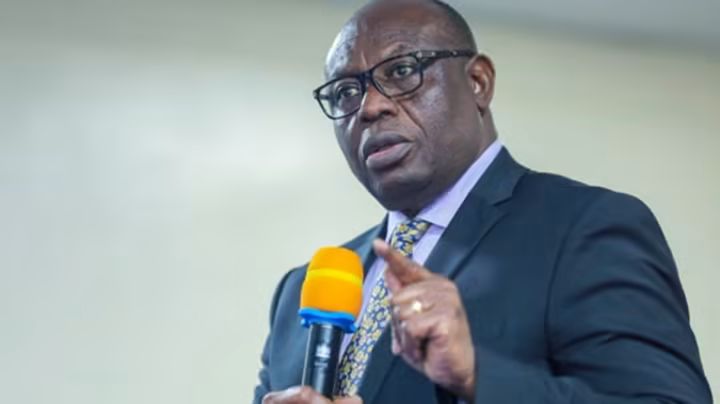
As the 2027 general election is fast approaching, the Chairman of the Independent National Electoral Commission (INEC), Professor Joash Amupitan, has stated that only the police will be deployed to provide security during the polls. However, he clarified that the deployment of Armed Forces during elections should be in exceptional circumstances and not routine.
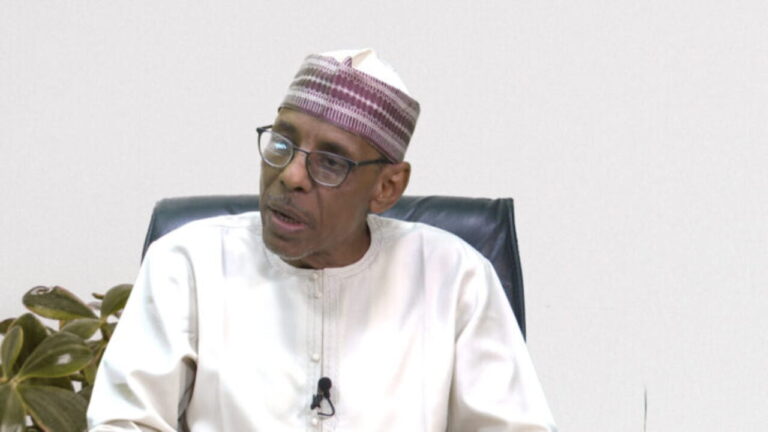
Amupitan made the clarification during a one-day seminar organised by the Defence Headquarters Department of Operations at the Army War College, Abuja. The INEC boss, who was represented at the event by INEC’s Director of Legal, Al-Hassan Umar, said the Constitution was explicit on the roles of institutions involved in election management. The seminar anchored on the theme, “The Role of the Armed Forces in the 2027 Elections,” was attended by senior military officers, security agencies, election management officials, resources persons and other stakeholders.
The INEC Chairman stated that while the commission takes charge of the conduct of the elections, the Nigeria Police Force (NPF) remains the lead agency for election security. He also said that the military plays “a supportive rather than supervisory role, protective rather than political, and one firmly anchored in constitutional responsibility.”
Amupitan’s stance on demilitarisation of elections is right and timely. For a nation whose democratic journey has often been overshadowed by the presence of armed personnel at polling units, this clarification is refreshing and reassuring. Election is a celebration of popular sovereignty that should be defined by ballots. By insisting on police-led security architecture, INEC is attempting to ensure that voters are not scared away by the presence of heavily armed soldiers at election venues.
For over two decades, the deployment of the military during polls has been justified under the guise of maintaining public order and preventing electoral violence. While the threat of disruption by political thugs and insurgent groups is undeniably real, the cure has frequently proven worse than the disease. The presence of heavily armed soldiers at the polling units does not inspire confidence. Instead, it breeds fear. It transforms a civic exercise into a simulated combat zone, which can suppress voter turnout. Citizens, particularly women, the elderly, and persons with disabilities are naturally disincentivised from participating when the environment is inherently hostile.
Other News
Furthermore, the militarisation of elections has compromised the integrity of the process itself. Some of our elections have been characterised by infractions, including intimidation of voters and manipulation of the process by people in uniform. When the military becomes an active variable in an election, the delicate balance of democratic institutional checks and balances is disrupted. Soldiers are trained for warfare and the elimination of threats, not for the nuanced art of crowd control and civic engagement. Forcing them into domestic policing during elections undermines their professionalism and erodes public trust in an institution that should remain neutral.
INEC’s demilitarisation of our elections is commendable. It signals a profound institutional realisation that a credible election cannot be achieved through intimidation. True electoral security is not measured by the calibre of weapons on display at a polling unit, but by the level of safety and freedom felt by the voter. By shifting the focus away from the military, INEC is rightly placing the responsibility of election policing back to the Nigeria Police. The police are constitutionally mandated and trained to maintain law and order. Empowering them to take the lead, while the military plays interventionist or peripheral role is the best approach to electoral integrity. However, the police must also be cautioned to be neutral and apolitical in election duties.
Executing this vision for 2027 elections requires more than just administrative declarations. It demands the overhaul of our current security logistics. If the police are to successfully secure the 2027 polls, intensive capacity building must begin immediately. This involves specialised training in electoral law, human rights, crowd management, and de-escalation techniques. The perennial issues of inadequate police welfare, poor communication infrastructure, and logistical deficits must be addressed. A demoralised and poorly equipped police will inevitably create a security vacuum, which politicians will exploit.
The demand for military deployment is often driven by the desperate ‘do-or-die’ attitude of politicians who view elections as warfare. When political parties recruit militias and stockpile weapons, they create the chaotic conditions that make militarisation of elections seem unavoidable. Therefore, the demilitarising the 2027 elections requires a cultural shift among the political elite. Political parties must commit to peace accords and the state must demonstrate the willingness to prosecute electoral offenders, regardless of their political affiliations.
INEC’s stance is a bold step toward deepening Nigeria’s democracy. A thriving democracy enables the citizens to vote freely. All stakeholders, from civil society organisations to international observers and the executive arm of government, must rally behind INEC’s vision. Above all, INEC must ensure that the 2027 election is free, fair and credible.