Follow Us on Google
…Says reforms’ll boost sector stability
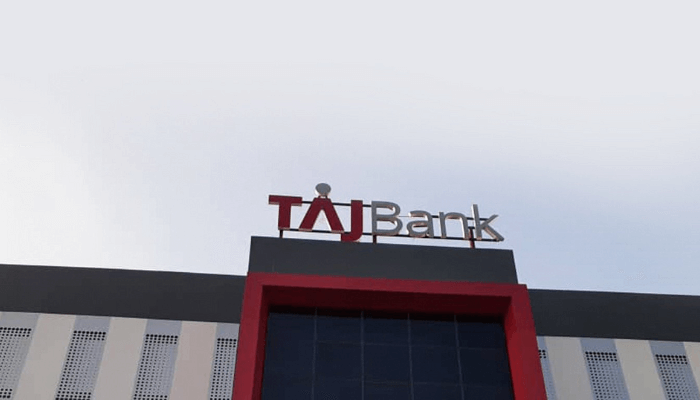
TAJBank Limited, a non-interest lender, says it has successfully surpassed the Central Bank of Nigeria’s (CBN’s) revised minimum capital requirement for national non-interest banks, well ahead of the March 2026 enforcement deadline.
The Managing Director/ChiefExecutiveOfficer, Mr. Hamid Joda, disclosed the milestone during an interactive session with journalists at an investment summit in Abuja yesterday.
He noted that the achievement cements TAJBank’s position among the select few financial institutions that have already met the apex bank’s tougher capitalization benchmarks.
“I am happy to report that through the leadership of our board, which is led by an industry doyen, Alhaji Tanko Isiaku Gwamna, and the support of our valued shareholders and investors, TAJBank has fulfilled the mandatory recapitalization requirement.
“We are now fully prepared to deliver more customer-friendly, innovative banking services to our growing base nationwide”, Joda said.
The CEO praised the CBN Governor, Mr. Olayemi Cardoso, and his team for driving the recapitalization policy, which he described as forward-looking.
“By all assessment standards, this initiative will reposition Nigerian banks for competitiveness in the rapidly changing global banking space,” he said.
Reassuring investors, Joda pledged that the bank would continue to uphold its commitment to value creation. “I want to assure all our shareholders, new investors and customers that TAJBank will continue to prioritise their interests in our operations in the management’s sustained drive to add value to every kobo invested in the bank,” he stated.
He added that TAJBank’s growth strategy will lean heavily on technology and human capital. “As our mantra says—our only interest is our customers—we shall be investing more in technological assets, solutions and our human resource to surpass expectations through real-time delivery of world-class, Shari’ah-compliant financial solutions,” Joda affirmed.
In March 2024, the CBN raised capital thresholds across all categories of licensed banks as part of measures to safeguard financial stability and boost the sector’s role in driving economic growth amid global headwinds.