Follow Us on Google

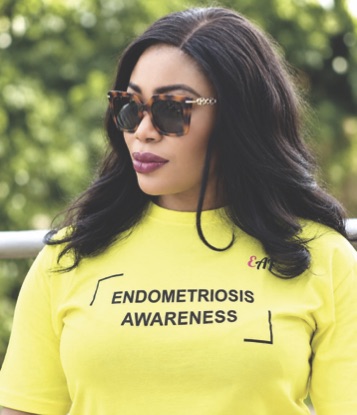
As Nigeria joins the rest of humanity to celebrate World Malaria Day 2026, the Managing Director of Vinco Pharmaceuticals Limited, Pharm. Chinenye Linda Irono, highlights the company’s contributions and commitment towards eliminating diseases and ensuring a healthy, productive and prosperous nation.
My name is Pharm. Chinenye Linda Irono, and I am the Managing Director of Vinco Pharmaceuticals Limited, a pharmaceutical manufacturing and distribution company committed to improving healthcare outcomes across Nigeria.
Industry overview & commitment
Our company plays a vital role in Nigeria’s pharmaceutical industry by manufacturing and distributing high-quality, affordable medicines, with a strong focus on essential therapeutics such as antimalarial drugs.
We have been actively involved in the distribution of antimalarial medications for several years, supporting both private and public healthcare systems in tackling one of the region’s most persistent health challenges.
Malaria burden & impact
Malaria is one of the most significant public health challenges in Nigeria and across sub-Saharan Africa. Nigeria still accounts for a substantial proportion of global malaria cases and deaths.
The economic and social impacts are profound. Malaria reduces productivity, increases healthcare costs, disrupts education and places a heavy burden on families—particularly those in low-income communities. At the national level, it slows economic growth and strains healthcare infrastructure.
Company’s contribution
Vinco Pharmaceutical Limited has contributed significantly by ensuring consistent supply of effective antimalarial medications, including ACTs like Arthemeter and Lumefantrine combinations, which remain the gold standard for treatment.
Vinco Pharmaceutical has also focused on optimizing distribution networks, and supporting healthcare providers with reliable products. In addition, we are exploring improved drug delivery systems
Drug quality & accessibility
Quality is non-negotiable for us. We adhere strictly to regulatory standards set by NAFDAC and follow international best practices in manufacturing, including GMP compliance, rigorous quality control testing and batch traceability.
To improve affordability and accessibility, we focus on efficient production, strategic partnerships and cost optimization without compromising quality. We also work with distributors and healthcare providers to ensure our products reach underserved areas.
Challenges in the sector
The pharmaceutical sector faces several challenges, including high production costs, foreign exchange volatility, infrastructure limitations and regulatory bottlenecks.
Supply chain disruptions — particularly in sourcing active pharmaceutical ingredients (APIs) — also affect production timelines and pricing stability.
Government & stakeholder collaboration
Government and regulatory agencies play a critical role in setting standards, enforcing compliance, and coordinating public health initiatives. Their efforts are essential in the fight against malaria.
We collaborate with government bodies, NGOs and international organizations through supply programmes, awareness campaigns and participation in public health initiatives aimed at malaria control and elimination.
Awareness & prevention
Our message to Nigerians is clear: malaria is preventable and treatable. Simple steps like using mosquito nets, eliminating stagnant water and seeking prompt medical care can save lives.
World Malaria Day 2026
World Malaria Day is an important moment for reflection and renewed commitment. For our organization, it reinforces our responsibility as a healthcare provider.
Leadership perspective
My commitment to the fight against malaria is driven by the real impact this disease has on our communities. It is not just a health issue — it is a socioeconomic issue that affects national development.
The legacy I hope to build is one of trust, quality and impact — ensuring that our company is recognized as a reliable partner in improving healthcare outcomes in Nigeria.
Final thoughts
Eradicating malaria requires collective action. Policymakers must continue to strengthen healthcare systems, healthcare practitioners must uphold best treatment practices and the public must take prevention seriously.
Together, through sustained effort, innovation, and collaboration, we can significantly reduce — and ultimately eliminate — the burden of malaria in Nigeria.