Follow Us on Google
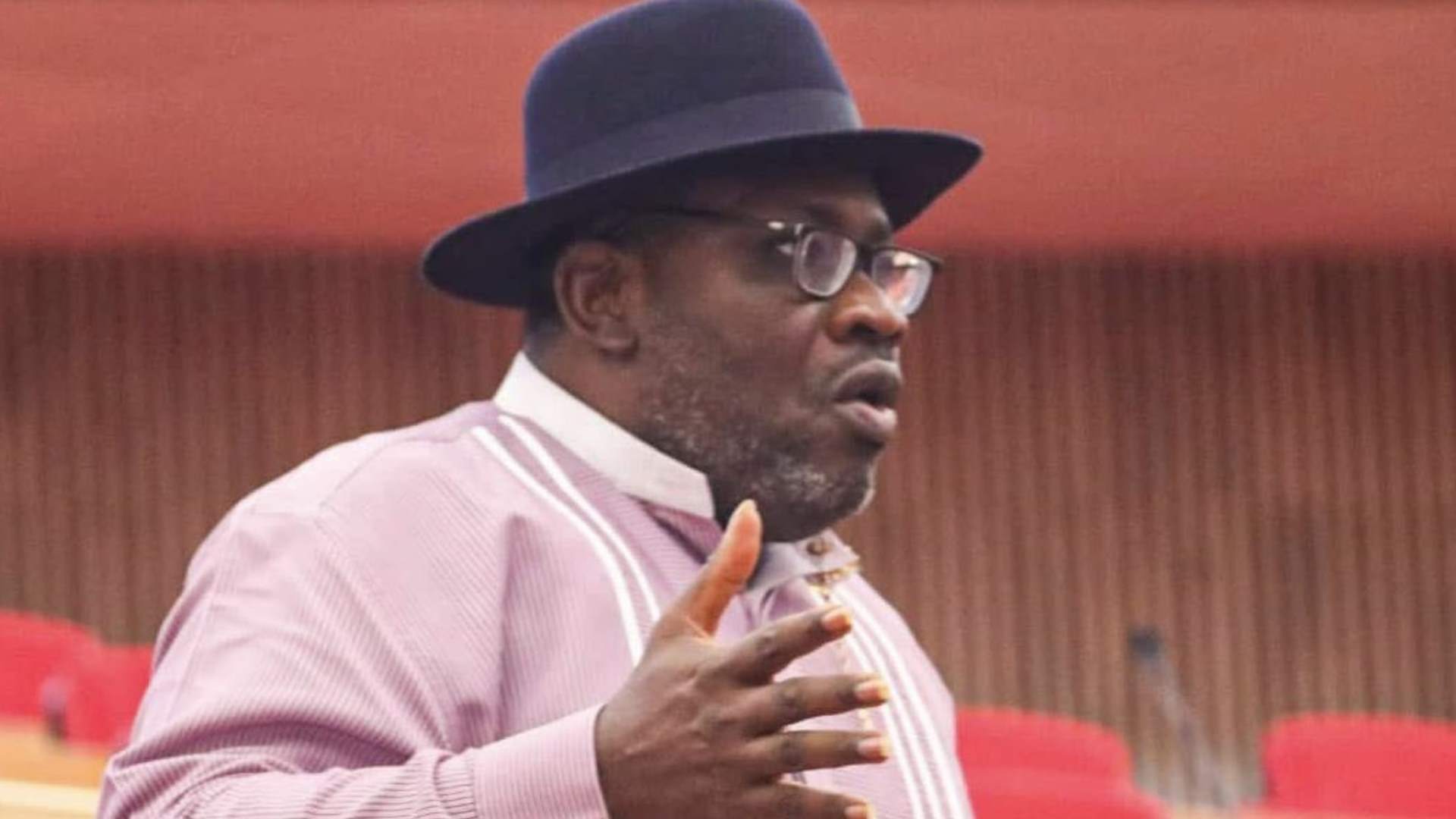
The National Leader of the National Democratic Congress (NDC), Seriake Dickson, has raised concerns over the alleged militarisation and monetisation of Nigeria’s electoral process, warning that it is a threat to democracy.
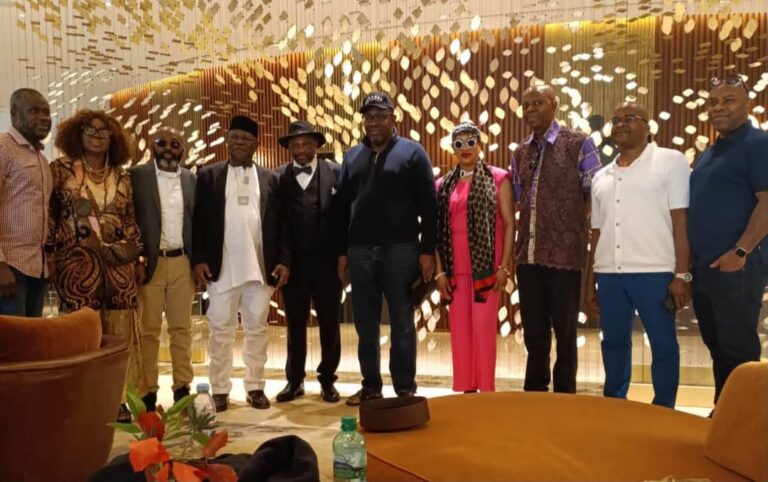
Speaking on Saturday at his Abuja residence, where he hosted former leaders and members of the Alliance for Democracy (AD) at a reunion meeting, the former Bayelsa State governor recalled the role played by federal security forces during his time as an opposition governor in Bayelsa State.
He said the concerns were not limited to the ongoing Osun election but extended to other states where off-cycle elections and the 2027 general elections would be conducted, saying:
“as a person and as leader of the NDC, we are very concerned about the militarisation of states, not just Osun.”
“I was an opposition governor. I was the only governor that led Bayelsa to victory in elections in opposition. I know what the federal forces did to me in Bayelsa,” he recalled.
He lamented the misuse of security agencies and other state institutions deployed during elections, stating that “there are genuine concerns about what state institutions will do or may be used for in the course of the upcoming general elections.”
Dickson also expressed concern over the increasing monetisation of elections, recalling that political contests during the early years of the Fourth Republic were driven largely by ideas and political mobilisation rather than financial inducements.
He recalled that political parties and candidates in 1998 and 1999 did not have to pay voters to secure their support, noting that the situation had changed considerably, with elections increasingly becoming contests in which candidates compete through financial inducements.
“We didn’t have money. Voters were not asking for money. Political leaders and politicians were also not giving money.”
Dickson said the former AD members also used the reunion to reflect on the sacrifices made by political leaders and activists who contributed to the restoration and consolidation of democracy in the country.
“We reminded ourselves that sacrifices were made, difficult decisions were taken, and people worked their brains out to enable us to have this democracy that we see,” he said.
Other News
He said the gathering also provided an opportunity to honour the memory of former colleagues and political leaders who had died, while reconnecting members of a political generation whose paths had diverged over the years.
Dickson said the meeting was primarily aimed at rebuilding old relationships and reflecting on their collective contribution to Nigeria’s democratic development, stressing that it was not convened to announce a new political alliance or take a definitive position on the 2027 general elections.
However, he disclosed that he informed the former AD members that he and others had established the NDC.
“Like I said, with time, we will discuss, have other conversations, and then appropriate decisions will be taken. But not for today,” he said.
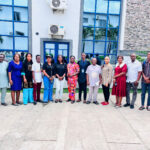
The meeting brought together former AD leaders and members, including the party’s founding National Secretary, Prof. Udenta Udenta, Dr Manzo and other former officials.
Dickson said he was particularly pleased to host colleagues with whom he had worked for about 27 years, describing the reunion as a long-overdue opportunity to rekindle old friendships and strengthen networks.
He said despite having moved in different political directions, the former colleagues had remained committed, in different forms and circumstances, to the advancement of democracy in Nigeria.
The senator added that the group would continue to “rub minds together” and advise itself on issues affecting the country as discussions progressed.
He thanked the former AD leaders and members for accepting his invitation, saying the gathering provided an opportunity for his family to host a meeting that should have taken place much earlier.
Dickson said the participants remained committed to contributing to Nigeria’s democratic development, adding that future meetings would determine the appropriate political positions to be taken on contemporary national issues.