Follow Us on Google
From Juliana Taiwo-Obalonye, Brasilia, Brazil
Nobel laureate, Professor Wole Soyinka, has praised President Bola Tinubu and Brazilian President Luiz Inácio Lula da Silva for their unwavering commitment to fostering cultural exchange between Africa and its diaspora.
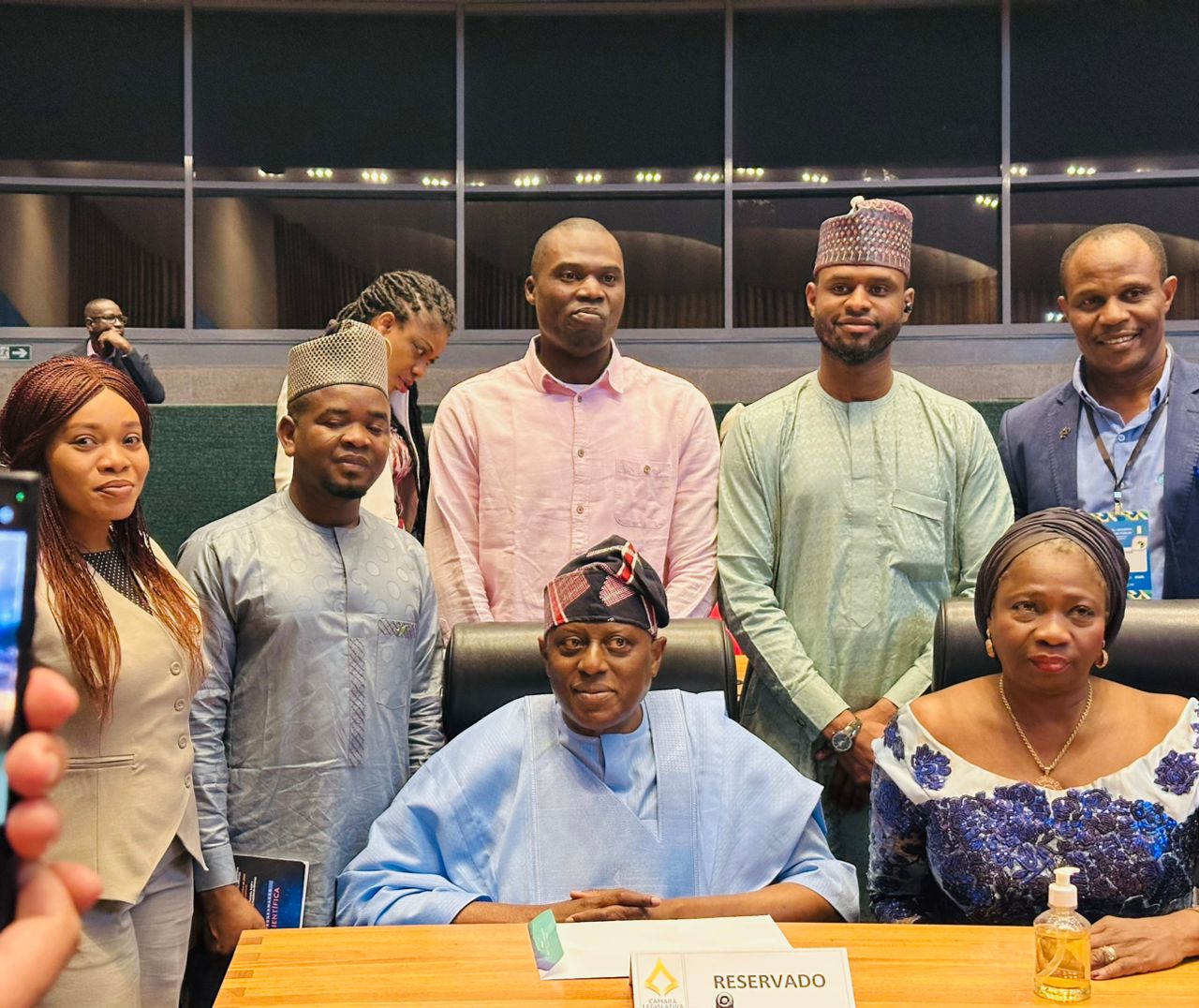
He spoke at a landmark cultural and heritage event held in the Legislative Chambers of Brasília, yesterday. Soyinka’s “Return to Africa” project, symbolising a spiritual and cultural reconnection with African roots, took centrestage as a bold initiative tracing the historic transatlantic slave trade route, culminating in the symbolic “Point of No Return” in Badagry, Nigeria.
Soyinka described the project as more than a physical journey. “It is a symbolic return. Not about physically going back, but spiritually reconnecting with our African heritage, highlighting the resilience and strength of the African people.” He emphasized that the collaboration between Nigeria and Brazil, under the leadership of Presidents Tinubu and Lula, is vital for this renewed cultural alliance.
“Leaders like President Tinubu and President Lula are showing a collaborative effort that is crucial for cultural exchange and mutual understanding,” Soyinka affirmed.
During his visit, he presented President Lula his book, Mito, Literatura e o Mundo Africano (Myth, Literature and the African World), a profound exploration of Yoruba mythology and African intellectual traditions, symbolising the enduring cultural ties binding Africa and Brazil. The presentation underscored the literary and cultural dimension enriching diplomatic relations between the two nations, complementing Tinubu’s bilateral talks with Lula on trade, energy, agriculture, and defense.
Other News
Reflecting on the cultural depth of the gathering, Central Bank of Nigeria (CBN) Governor, Yemi Cardoso remarked: “As an Afro-Brazilian descendant, I take great pride in this moment of connection and mixing of peoples.” He also underlined the practical impact of new direct flights, calling them a “game changer” expected to bolster business and cultural exchanges.
Brazilian President Lula expressed a shared vision of cooperation, emphasizing, “In this moment of resurgent protectionism and unilateralism, Nigeria and Brazil reaffirm our commitment to free trade and deeper integration—two of the largest Black-populated nations in the world.” Lula highlighted ongoing negotiations to enhance commercial and technological exchanges, with new agreements expected to build on the rich African heritage present in Brazil. He invited President Tinubu to the upcoming COP30 climate conference in Belém, Brazil, urging joint support for global environmental initiatives.
CEO of Nigerians in Diaspora Commission (NIDCOM), Abike Dabiri-Erewa, outlined the significance of the “heritage dialogue and future” symbolized by the historic “Door of Return” project in Lagos. “We are preparing to open the permanent Door of Return on October 18,” she said. “It’s a symbolic gateway connecting the diaspora back to their motherland—historically, spiritually, economically.” Dabiri-Erewa noted the strong African roots among Brazilians, saying, “Many here practice African ancestral religions and bear African names, yet they have never been to the continent.”
She remarked on the Baobab tree in Rio, revered as a symbol of hope for eventual return to Africa. She credited the new direct flights between Brazil and Nigeria launched during Tinubu’s visit as a “game changer” that will boost tourism, socio-economic development, and cultural collaboration between these two globally significant nations with the largest Black populations outside and inside Africa, respectively.
Ifa Muyiwa, a cultural representative tracing African roots within the Brazilian diaspora, expressed deep appreciation for the event, stating, “Having Wole Soyinka here is crucial for us in the diaspora. He teaches us about tradition and the liberation struggle.”
Muyiwa highlighted the need for strengthened connections facilitated by government support: “I believe DNA tests should be provided to all people of African descent, helping us trace our roots more effectively. The planned direct flights to Nigeria will also make it easier for those practicing African religions like Ifa and Candomblé to visit the continent and deepen their spiritual and cultural knowledge.”