Follow Us on Google
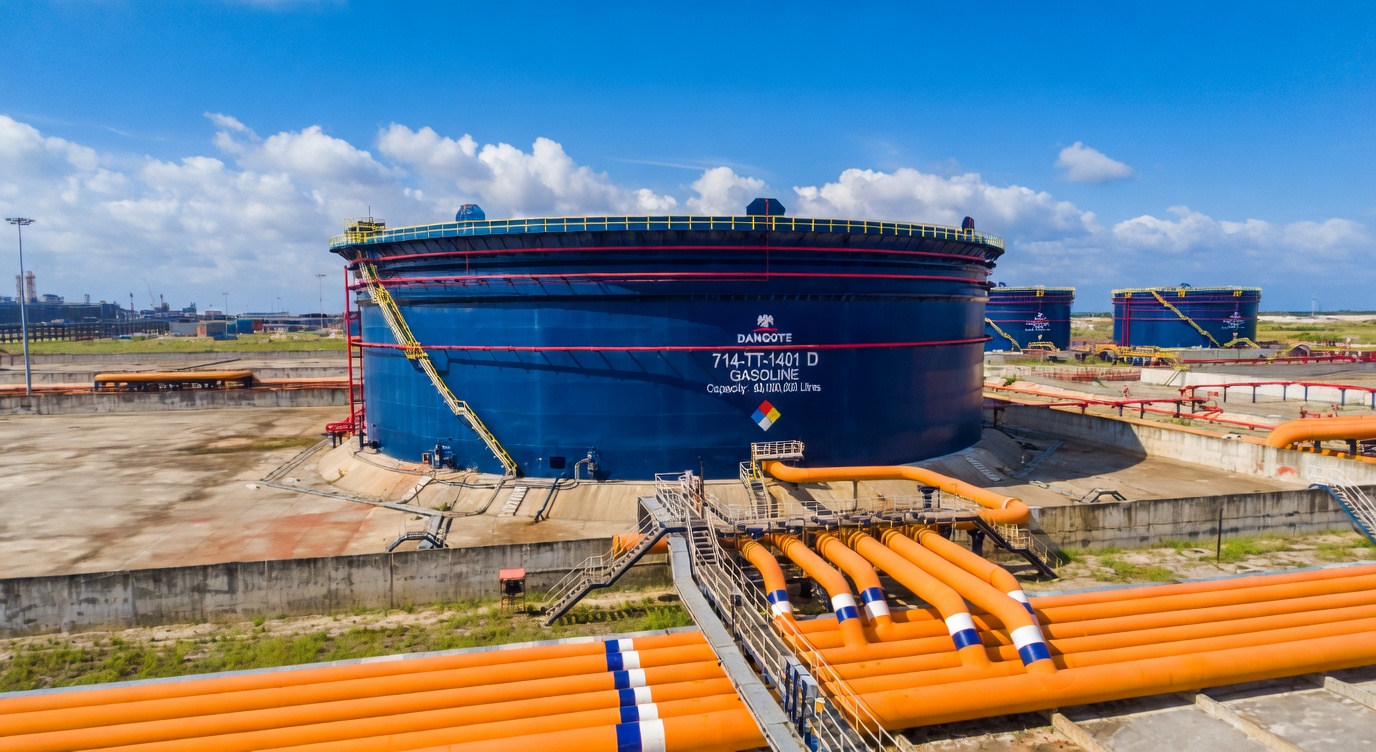
The Presidency on Wednesday credited President Bola Tinubu’s economic reforms with strengthening Nigeria’s energy sector, saying policy decisions taken over the past three years have enabled indigenous oil firms to expand operations and transformed the Dangote Refinery into a net exporter of petrol and aviation fuel.
The Presidency said landmark approvals of major oil asset acquisitions, the naira-for-crude initiative and foreign exchange reforms have boosted investor confidence, expanded production capacity and improved the financial performance of indigenous energy companies.
In a statement, the Special Adviser to the President on Information and Strategy, Bayo Onanuga, said the reforms explain the strong earnings posted by many companies listed on the Nigerian Exchange (NGX) in the first half of 2026.
Among the key interventions highlighted was President Tinubu’s approval of the Renaissance Africa Energy consortium’s acquisition of Shell Petroleum Development Company (SPDC) assets and Seplat Energy’s takeover of the assets of Mobil Producing Nigeria Unlimited (MPNU).
According to the Presidency, the approvals removed regulatory uncertainty surrounding two of Nigeria’s biggest upstream transactions while significantly expanding the reserve base and production capacity of the indigenous firms.
“By facilitating the transfer of mature onshore assets to well-capitalised indigenous operators, the administration strengthened investor confidence, accelerated domestic participation in the petroleum sector, and positioned both Aradel and Seplat to capture higher production volumes, stronger revenues, and improved earnings before tax,” the statement said.
The Presidency also pointed to the administration’s naira-for-crude policy, describing it as a game-changing intervention that has boosted local refining and reduced dependence on imported petroleum products.
Other News
“President Tinubu’s approval of naira payment for crude… has also supported local refining capacity, such that Dangote Refinery has become a net exporter of PMS and aviation fuel,” the statement noted.
It added that the unification of the foreign exchange market has particularly benefited export-oriented companies such as Aradel Holdings and Seplat Energy by allowing them to accurately reflect the value of their dollar-denominated earnings under a transparent, market-driven exchange rate.
According to the Presidency, manufacturing firms have equally benefited from improved access to foreign exchange, with companies including Dangote Cement, BUA Cement and HBM recording operational gains through more efficient procurement, production planning and capital allocation.
The statement further argued that the removal of petrol subsidy has strengthened government finances, creating greater fiscal capacity for infrastructure investment while reinforcing macroeconomic stability.
It also cited tighter monetary policy, banking sector recapitalisation and tax reforms as measures that have improved liquidity, strengthened the financial system and enhanced the operating environment for businesses.
The Presidency maintained that the combined impact of the reforms has improved market efficiency, strengthened investor confidence and enabled companies to record substantial growth in revenue and earnings before tax.
“Rather than reflecting isolated firm-level developments, these results illustrate how comprehensive structural reforms can translate into measurable improvements in corporate financial performance through stronger market fundamentals and a more predictable business environment,” the statement added.