Follow Us on Google
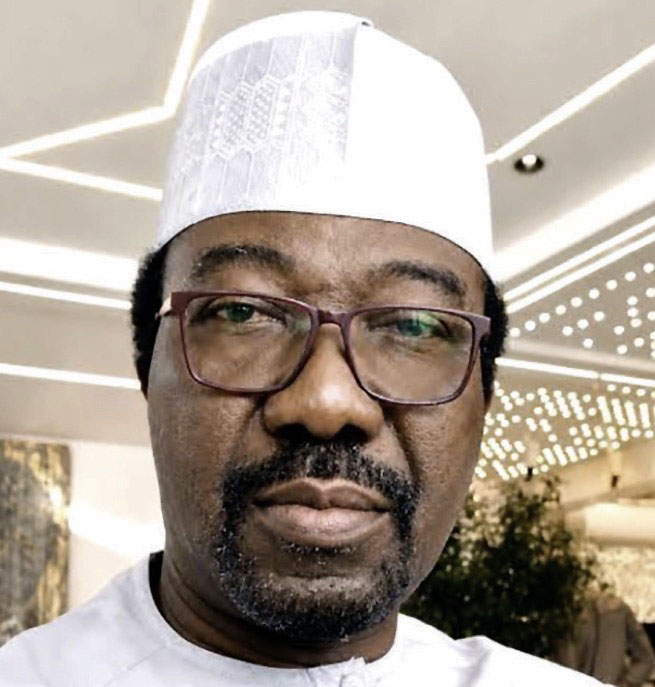
By Noah Ebije, Kaduna
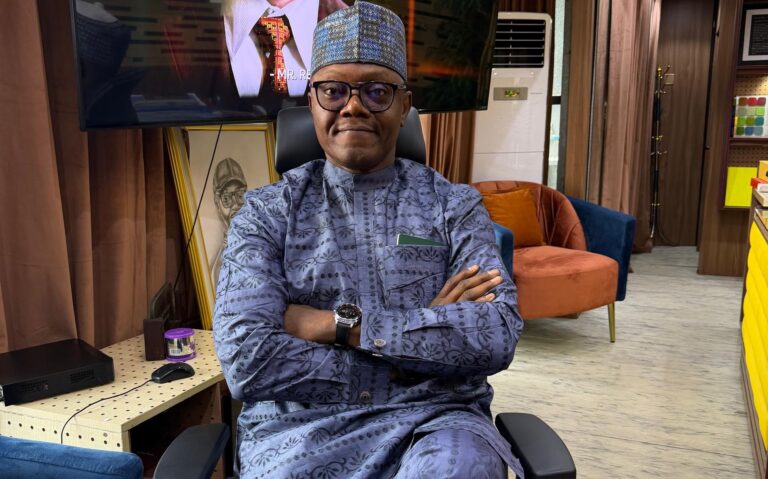
The Convener of the socio-cultural group, Arewa Think Tank, Muhammad Alhaji Yakubu, has said that Northern Nigeria has an important role to play in the nation’s future as the country marks its 66th independence anniversary. In this interview, Yakubu noted that since independence in October 1960, the country has experienced military rule, a civil war, economic crises, political transitions and democratic setbacks, yet it has remained one indivisible country.
As Nigeria marks 66 years of independence, how would you assess the country’s journey so far, and what does this anniversary mean to you as a Northern Nigerian and a stakeholder in national affairs?
Nigeria at 66 has gone through many challenges, but it has also demonstrated remarkable resilience. Since independence in 1960, we have experienced military rule, a civil war, economic crises, political transitions and democratic setbacks, yet Nigeria has remained one indivisible country.
For me, independence is not simply about celebrating the past. It is an opportunity to reflect on where we are coming from, where we are today and where we want to take the country. We must acknowledge our shortcomings, but we should also recognise the progress we have made in democracy, infrastructure, education, technology, entrepreneurship and other areas.
As a Northerner, I believe the North has a very important role to play in Nigeria’s future. The region has enormous human and natural resources, agricultural potential and a large youthful population. But we must also confront our challenges honestly, particularly insecurity, poverty, educational deficits and unemployment.
At 66, the most important thing is for Nigerians to strengthen their belief in the country and work together to build a nation where every citizen, irrespective of region or religion, has a sense of belonging.
The Arewa Think Tank has been a strong supporter of President Bola Tinubu’s administration. What are the key policies or programmes that informed the group’s decision to support the President?
Our support for President Tinubu is based primarily on his reform agenda and our belief that some of the difficult decisions being taken are meant to address structural problems that have accumulated over many years. The removal of the petrol subsidy, reforms in the foreign exchange market, efforts to increase revenue, investments in infrastructure, social intervention programmes and initiatives to improve agricultural production are among the areas we have been following closely.
We believe Nigeria cannot continue indefinitely with a system in which government resources are consumed by unsustainable subsidies and other structural weaknesses without addressing the underlying problems.
However, supporting the government does not mean we believe every policy is perfect. Government policies should be judged by their impact on Nigerians. Where there are shortcomings, we should draw the government’s attention to them and encourage appropriate adjustments.
Our position is that Nigeria needs reforms, but those reforms must ultimately produce better economic opportunities, improved security and a better quality of life for Nigerians.
The President’s reforms, particularly the removal of the petrol subsidy and changes in the foreign exchange regime, have generated significant debate because of their immediate impact on citizens. How does Arewa Think Tank assess the results so far, particularly in Northern Nigeria?
We recognise that the reforms have created significant difficulties for Nigerians, particularly because of the increase in transportation and living costs following the removal of the petrol subsidy. Nobody should pretend that ordinary Nigerians have not felt the impact. But we also have to look at what Nigeria inherited. The subsidy regime had become increasingly difficult to sustain, and the foreign exchange system had serious distortions. What we are looking for now is not simply whether the government has introduced reforms, but whether those reforms are translating into a stronger and more productive economy.
For Northern Nigeria, this is particularly important because of the region’s dependence on agriculture, transportation and small businesses. Government must therefore ensure that reforms are accompanied by support for farmers, manufacturers, transport operators, small businesses and vulnerable households.
We are encouraged by efforts to improve agricultural production and food security, but implementation must remain a priority. The ultimate test of any reform is whether it improves productivity, creates jobs and makes life better for ordinary people.
Supporters of the administration argue that some reforms are necessary to address long-standing structural problems, while critics point to the hardship they have created. How should government balance economic reforms with the need to protect vulnerable citizens?
There has to be a balance. Economic reform cannot be separated from the welfare of the people. Government has to continue with reforms that are necessary for economic stability, but it must also strengthen social protection and ensure that vulnerable Nigerians do not carry a disproportionate share of the burden. This means targeted intervention rather than spending money indiscriminately. We need support for poor households, farmers, students, small businesses, workers and other vulnerable groups. We also need investment in public transportation, healthcare, education and food production. Another important issue is transparency. Nigerians need to know what government is doing with the resources saved from reforms and how those resources are being channelled into development. As supporters of the administration, we believe our responsibility is also to tell government when people are hurting. Constructive support means backing good policies while encouraging the government to correct those that are not producing the desired results.
The North continues to face serious challenges, including insecurity, poverty, unemployment, educational deficits and inadequate infrastructure. What specific measures would you like to see from the Tinubu administration to accelerate development in the region?
Other News
The first priority must be security, because development cannot take place in an environment where people are afraid to farm, travel or conduct business.
The second is education. The North has a large population of young people, and if we fail to educate them and equip them with skills, we will be wasting one of our greatest assets. We need greater investment in basic education, technical and vocational training, digital skills and higher education. Agriculture must also receive special attention. The North has enormous agricultural potential. Government should expand irrigation, rural roads, storage facilities, access to affordable finance, improved seeds and modern farming technology. Infrastructure is equally important. Roads, railways, electricity, water supply and telecommunications are essential for economic development. We also need industrialisation and job creation. We cannot continue to depend predominantly on government employment. We must create an environment where businesses can invest, industries can operate and young people can become entrepreneurs.
The North does not need sympathy. It needs sustained investment, sound policies and effective implementation.
There has been considerable discussion about whether the Tinubu government is adequately addressing the concerns of the North. From your perspective, what has the administration done well in the region, and where does more need to be done?
I believe the administration has demonstrated an understanding of the strategic importance of Northern Nigeria, particularly in agriculture, infrastructure, security and human capital development.
There have been interventions in agriculture and food production, infrastructure projects and efforts to address insecurity. The administration has also continued to emphasise economic opportunities for young Nigerians. But we should not claim that everything has been solved. There is still a lot of work to do.
The greatest challenge is implementation. Policies must reach the communities they are designed to serve. A programme announced in Abuja has little meaning to a farmer in a rural community if the farmer never feels its impact. We also need greater attention to the educational crisis in parts of the North, particularly the problem of out of school children. Security must remain a major priority, because without peace, all other development efforts will be undermined.
So our message to the government is: continue with the reforms, but deepen their impact in the North and ensure that ordinary citizens can see and feel the benefits.
Nigeria’s political history has often been shaped by regional and ethnic interests. How can Northern pressure groups and civil society organisations support the government while still holding it accountable when its actions affect ordinary Nigerians?
Supporting a government does not mean surrendering one’s right to ask questions. Northern organisations have a responsibility to articulate the concerns of the people while also promoting national unity. We should not approach national issues only from the perspective of what benefits one region. We must ask what is good for Nigeria as a whole, while ensuring that no region is left behind.
Our role should include research, advocacy, public enlightenment and constructive engagement with government. If we believe a policy is beneficial, we should explain why and encourage its implementation. If we identify shortcomings, we should bring them to the attention of government.
The most important thing is to avoid destructive politics. Nigeria is too important for us to reduce every national issue to North versus South, Christian versus Muslim or one ethnic group against another. Our diversity should be an asset, not a weapon.
Security remains one of the biggest concerns in the North, particularly terrorism, banditry, kidnapping and farmer and herder conflicts. How would you assess the government’s response, and what additional steps are necessary to achieve lasting peace?
Security is one area where we must acknowledge that the government has made efforts, but we cannot yet say the problem has been completely resolved.
The security agencies deserve support for the work they are doing, but the nature of insecurity in Nigeria requires a comprehensive approach. Military operations are necessary, but they are not sufficient. We also need intelligence gathering, community engagement, effective policing, better border management and measures to prevent young people from being recruited into criminal and extremist networks. We must also address the socioeconomic conditions that allow criminality to thrive. Where young people have no education, no employment and no hope, criminal groups can exploit their vulnerability. At the same time, communities must cooperate with security agencies by providing credible information. Traditional rulers, religious leaders, civil society organisations and local communities all have roles to play. Ultimately, lasting peace will require both security operations and development.
As we look beyond the 66th anniversary, what should be the priorities of the administration during the remainder of its current term if it is to leave a lasting impact on Nigeria’s economy, security and national development?
I would identify five major priorities. First is economic stability and job creation. Nigerians need an economy that creates productive employment and opportunities for young people. Second is food security. Nigeria must increase agricultural production, reduce dependence on food imports where possible and make farming more productive and profitable. Third is security. Government must continue to strengthen the security agencies while addressing the underlying causes of insecurity. Fourth is human capital development, especially education, healthcare and skills acquisition. The greatest resource Nigeria has is its people. Fifth is infrastructure and industrial development. We need reliable electricity, better roads, railways, water infrastructure and an environment that encourages private investment. If the administration can consolidate progress in these areas and ensure that its programmes are implemented effectively across the country, it will make a significant contribution to Nigeria’s long term development.
Finally, what is your message to Nigerians who are experiencing economic hardship and may be sceptical about the government’s direction? And what would you say to those who believe groups such as Arewa Think Tank should scrutinise government policies more critically, even when they support the administration?
My message to Nigerians is that their concerns are legitimate. People are experiencing real economic difficulties, and nobody should dismiss their frustrations. But I would also appeal to Nigerians not to lose faith in the country. Economic reforms take time, and the government must continue to demonstrate that the sacrifices Nigerians are making today are producing measurable improvements in their lives. To the government, our message is equally clear: Nigerians are making sacrifices, and government must respond with accountability, efficiency and tangible results. People should not be asked to endure hardship indefinitely without seeing improvements. As for Arewa Think Tank, we do not believe that supporting the administration means supporting everything it does without question. Our support is based on policies and programmes that we believe can move Nigeria forward. If we identify a policy that is hurting ordinary Nigerians, or an intervention that is not reaching its intended beneficiaries, we should say so. That is not opposition. It is constructive engagement. Our ultimate loyalty should be to Nigeria. President Tinubu is the elected President, and we should support policies that advance national development while encouraging the government to listen to citizens and correct its shortcomings. At 66, Nigeria has every reason to look forward with confidence. Our differences should not divide us permanently. The North, South, East and West must work together, because there is no alternative to building a prosperous, secure and united Nigeria.