Follow Us on Google
The rapid growth of Nigeria’s digital economy is creating career opportunities far beyond software development and coding, with experts urging university students to look beyond traditional computing careers and explore the growing internet infrastructure industry.
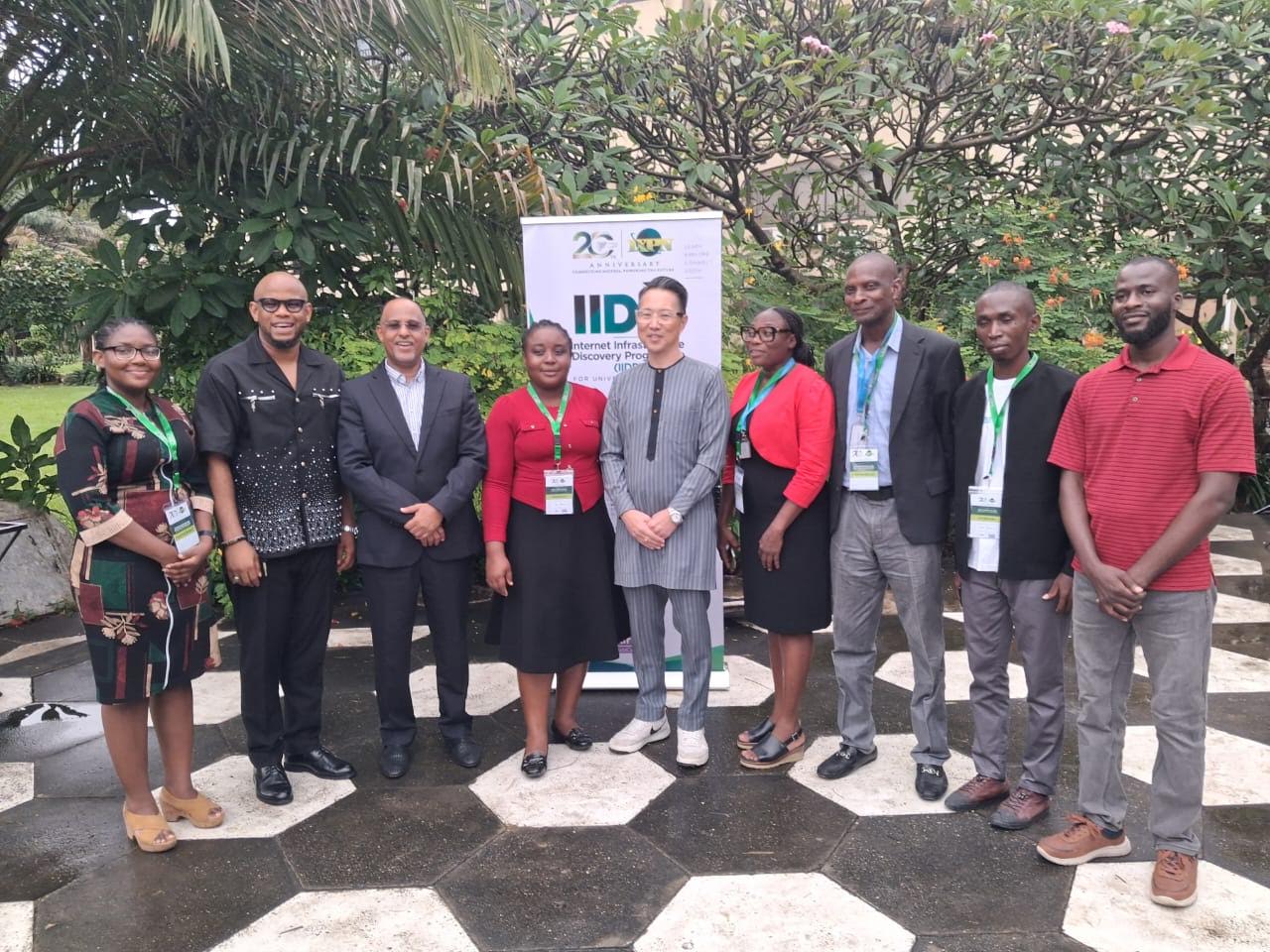
The call was made by the Internet Exchange Point of Nigeria (IXPN) at its Internet Infrastructure Discovery Programme held at the MUSON Centre, Wednesday, in Lagos as part of activities marking the organisation’s 20th anniversary.
IXPN pioneer Chief Executive Officer Muhammad Rudman told students that the internet they use every day is supported by a complex infrastructure involving fibre-optic networks, mobile communications, internet service providers, data centres, servers, routers, switches and internet exchange points.
He said understanding how these systems work could open up career paths for young Nigerians beyond programming.
Rudman traced the evolution of communications technology from telegraph and telephone networks to the development of packet switching, which made it possible for multiple users to transmit information over the same network.
“In the early days, when you were making a phone call between you and somebody, those wires were completely dedicated to you,” he explained.
He said the development of packet switching changed the model by allowing networks to carry information for multiple users instead of dedicating a connection to one person.
Rudman also traced the early development of the internet to the connection of computers at two American universities in 1969, explaining how the network expanded as more institutions joined.
He explained that today’s internet ecosystem consists of different layers, from access networks operated by telecommunications companies and internet service providers to content networks that host the digital services consumers use.
“MTN, Airtel and internet service providers give you access to the network. But when you browse, you go to content networks,” he said.
According to him, technologies such as fibre, mobile networks, Wi-Fi and satellite connectivity each play different roles in delivering internet services, creating demand for professionals with specialised technical skills.
Welcoming participants, IXPN Board Member, Yen Choi, challenged students to become more curious about the infrastructure behind the digital services they take for granted.
“Don’t think of this as just an excursion or a classroom seminar. Ask questions, meet your colleagues from other schools and learn more,” Choi said.
He asked students to consider what happens behind everyday digital activities such as online banking and sending emails.
“When you touch your screen, how does that connection get to the bank? How do your emails reach somebody in another country or another state?” he asked.
Choi said the programme would expose participants to fibre-optic cables, microwave links, servers, routers, data centres and switches, including visits to data centre facilities.
He described IXPN as a “roundabout” where different networks, including telecommunications operators and content providers, exchange data directly.
“When the content is closer, you can get to it faster,” he said.
Choi urged students to consider careers in network engineering, cybersecurity, artificial intelligence, data centre operations, research, education and policymaking.
“Be curious. When you use the internet, ask: ‘How does this work?'” he said.
The programme also drew support from university lecturers, who said practical exposure was helping students understand career opportunities that are often not obvious from classroom learning.
Dr Adeyininka Omirinlewo of Trinity University, Yaba, said the programme gave students exposure to the practical side of networking and should be sustained.
Similarly, Umoren Mfoniso of Anchor University, Lagos, said the programme was helping students understand that computing careers extend beyond programming.
“Beyond the classroom, beyond being a computing student learning mostly programming, there are other parts of computing they can actually make a career out of,” he said.
Mfoniso said many students leave university without a clear understanding of the career opportunities available to them, making industry exposure important.
He added that initiatives such as the IXPN programme could broaden students’ horizons by showing them where their skills could be applied and the opportunities available within Nigeria’s growing digital ecosystem.