Follow Us on Google
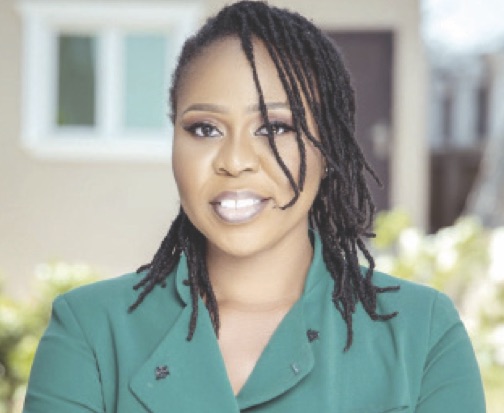
By Chinenye Anuforo
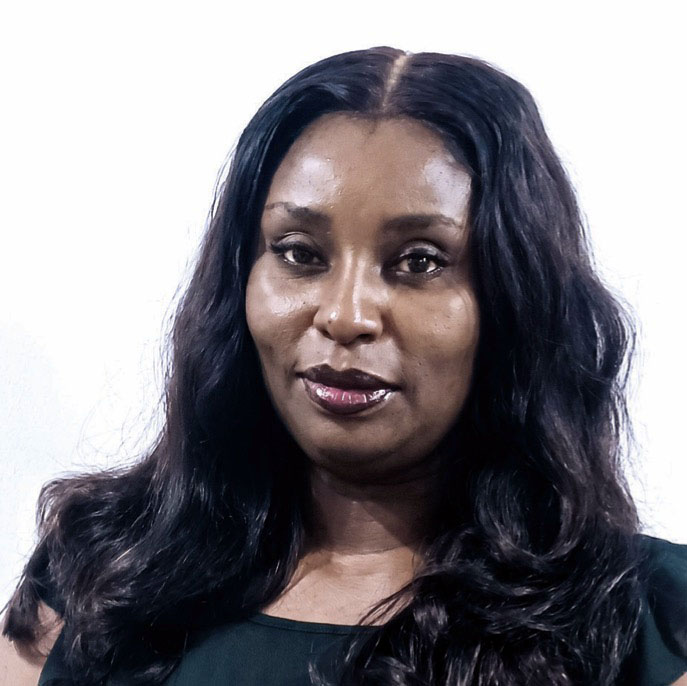
Amaka Okoye, a seasoned journalist with a passion for truth and justice, has carved a niche for herself in the world of journalism. With a strong background in both Journalism and Maritime Administration and Management, Okoye has a unique perspective on the complexities of human experience.
Currently a journalist at Deutsche Welle (DW), she has covered a wide range of topics, from women’s rights and justice to illegal migration and human trafficking. Her fearless reporting has taken her to the heart of Nigeria’s most dangerous regions, where she has documented the stories of those affected by conflict and crisis.
This interview with Daily Sun delves into her experiences covering mass abductions in Nigeria, the emotional and professional toll it takes, and the ethical dilemma she faces.
What drew you to conflict reporting particularly focusing on violence and insecurity?
Quite frankly, conflict reporting chose me and I fell wholeheartedly for it. In fact, I owe it to my former Boss Mr Akintemi who recommended that I be sent to Katsina when the first mass abductions of school children happened there. His idea was majorly because I speak Hausa and it will be easy to get proper coverage of that abduction. I was supposed to go there for at most 3 nights with my cameraman but I ended up spending 13 nights covering back to back that harrowing experience- for both the students abducted, their parents and loved ones and for me as well at different levels- including being “hidden” in the government house because we had reported that the boys have been seen and would be released based on a verified information we got from a government official in the state. But as soon as we reported that, it became a question of “jeopardising the effort of the rescue mission”. And my face was plastered over social media for a false reporting. What Nigerians did not know was that the information came from the state but of course they denied knowledge of it when the Presidency reacted. And everyone wanted my head to know where we got that “intel” from including same government officials. It was an experience I will never forget. Thankfully, the boys were released just as reported. But the social media had roasted me off already. That coverage led to so many coverages of abductions and banditry for me. While very aware of how dangerous those assignments were, I think why I stayed true to those coverage was because of the people. Their story needed to be told correctly and in the right context while representing the reality of people in these conflict and crisis areas. Most importantly, so not to reduce this growing human suffering to just number and statistics. There was and still is the need to put a face to this suffering. That was my driving force and I am grateful for those stories, those people from Kankara to Kagara to Jangebe, to Birnin Kebbi, to Afaka, to Chibok and all those areas I went to, the motive was the same.
How have these experiences covering mass abductions personally affected you, both emotionally and professionally?
I have grown more in empathy and conviction to tell the stories of those affected with a lot of sensitivity and always check that you represent their stories correctly and factually. I have built a lot of mental resilient and physical stamina to cope with the regular stress of covering such beats and being physically present- I have not done much of that this year because I took some time off for more of up scaling and capacity building. I miss the adrenaline rush no doubt but still very much following and doing more of research work in collaboration with institutes interested in peace and conflict resolution and private security organization. Emotionally, I have learnt to take a break when I need to and to pay attentions to the whirlwinds of emotions- sometimes it is fear, sometimes anxiety, sometimes it is all round exhaustion and sometimes it is shock and helplessness, sometimes it is hope, it is joy in little and big wins of the stories of people who have triumphed from very scary situations to become shinning light. One thing I do is I pay attention to how I feel and what I feel and act rightly. As you know, I am big on therapy and that has been a great help and being surrounded by the right community of friends and colleagues and support tribe.
What are the most significant challenges you’ve faced as a journalist covering such sensitive and traumatic events?
I think is coming very close to near death experiences in places like Jangebe or Kagara and also when I receive threats that are very palpable. I also feel like the pain and helplessness you feel when you can’t provide answers or the frustrations of not seeing results despite all of the efforts to take some of these risks. Yes, sometimes, you never get any results, not at all. That can be tough.
How do you ensure your safety while reporting on dangerous situations, particularly in conflict zones?
I must admit that there are things I would do differently that I didn’t do in the past. That will include not undermining any situation and bearing in mind those things can escalate very fast. So, I keep basic tips in mind from how I dress to where I stay to what I post on social media and the timing to even the choice of transportation, sometimes it is safer to also disguise and mingle with locals, but again, this is with great understanding of where you are, who or those you are dealing with in terms of the reports and what you are up against.
What ethical dilemmas have you encountered while reporting on these incidents, and how have you navigated them?
I remember very vividly when the abductions were happening like every other month and for each of it, I was on ground and covering back to back. And I also remember there was a statement at the time from the government sort of implying that such coverage is amplifying the activities of these abductors or enemy of the state if you like. And it was a dillemma- should we cover the plights of the people or not because we don’t want to be seen as amplifying the voices of the enemy and leave out the sufferings of their victims? It was a tough call but in the end, we still have to do our work and bring these people’s plight to the world and not pretend these things are not happening. Another would be sometimes you hear very chilling accounts and after getting consent, the people will say “No, I don’t want that story told again”. What do you do? It is challenging sometimes to be honest.
What do you think is the government’s role in addressing the issue of mass abductions?
You know one of the things that baffle me is that we are still having this conversation. My one response is that the government of Nigeria is well aware of these issues, the concerns and demands of these state actors. The Nigerian government can root out these criminal elements. Yes, they can. They just do not have the political will or haven’t been able to demonstrate any political will at all. That is worth is more frustrating.
How can the international community better support Nigeria in combating these issues?
Nigeria first and foremost has the solutions to its problems. It should look inwards and employ all its resources before seeking collaborations from the so called international community. And what has it done so far with the support we always hear Nigeria soliciting from the international community? Your guess is right as mine
What do you foresee for the future of security and safety in Nigeria, particularly regarding school abductions?
Not been a prophecy of doom but I think that Nigeria will have more challenges if it refuses to strongly demonstrate political will that will lead to the end of these abductions. Sadly, there’s even more economic dimensions to these abductions. Nigeria has all the resources and intel from very brilliant and hardworking security agencies. Again it boils down to does it want to end it at all?
How has the transition from Nigerian media to an international platform like DW impacted your reporting style and approach?
Reporting on international platform like DW just gives you an opportunity to seek for stories with global relevance as well as tell the local story with the right nuances. My approach is using this opportunity to present our stories right. To tell them correctly and not promoting narratives that have been incorrectly pushed for a very long time. I also now have the opportunity to delve into global news and regions I would ordinarily not focus on and grow interest in different topics and find ways to present them accurately.
How does your experience covering the Nigerian crisis inform your understanding of global issues related to violence and insecurity?
I have realised that the problems in the world are pretty much the same- there is pain, corruption, darkness, injustice, name it all every where in the world. The difference is what each nation of the world choose to focus on, how does it media present the overall image of its nation in relation to these issues and how government and state actors tackle their issues. That is the difference.
How do you balance the need to inform the public with the responsibility of not sensationalizing or exploiting the suffering of victims?
This is a very important question. The first approach is understanding the situation, the context, the subject matter then apply a lot of sensitivity knowing that the people are what matters and you must treat them and their story with a lot of respect, dignity and truth. You can actually tell about their sufferings without dehumanising them more or exploiting their realities. I think also that journalists must learn where to stop or draw the curtain and understand to let the people be when they ask for that. Sometimes our approach are awfully intrusive. The fact of this business is that you are not entitled to anybody’s story and that is why we must honour the people in their stories and represent them rightly whether through images, words or our framing. This is the crux of it all.