Follow Us on Google
African governments have been urged to criminalise harmful witchcraft accusations and protect people targeted by them, as scholars warn that unverified supernatural claims can fuel violence, displacement, family breakdown and social exclusion.
The call came during the Toyin Falola Interview on Sunday, August 30, where scholars examined “Witchcraft in Africa.”
The panel, chaired by Professor Toyin Falola, featured Professor Godwin Sogolo, Rev. Prof. Grace Sintim Adasi, Professor David Frankfurter, Dr Claire Ayelotan and Professor John Azumah.
Professor John Azumah said the law should distinguish between freedom of belief and actions that cause harm.
“It is not about legislating against the belief in witchcraft. It is about legislating against the accusations, holding people responsible and accountable,” he said.
He identified the legal position of accused persons as a particular concern, noting that those labelled witches are often expected to prove their innocence.
“When you are accused as a witch, it lies on you to prove your innocence,” Azumah observed, arguing that legislation should instead “reverse the burden onto the accusers.”
He said the consequences of accusations make them more than matters of private belief.
“As for me, beliefs have consequences and African traditional belief should be respected,” he said.
“But when they cross certain lines, you can believe whatever you want to believe, but when you use that belief to harm people, to ostracize people, their livelihoods are destroyed, families are broken.”
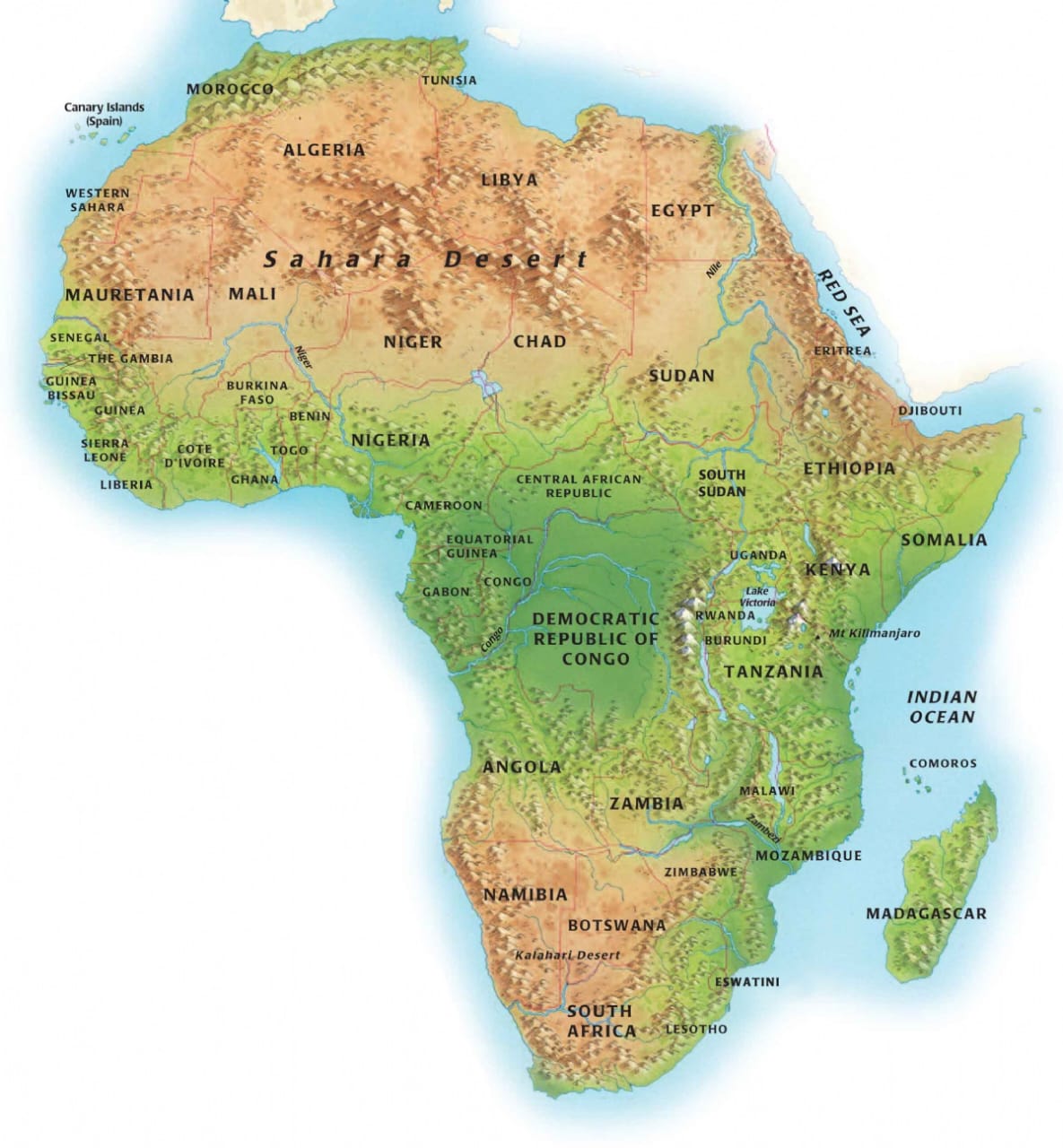
Azumah pointed to witch camps, particularly in Northern Ghana, as an illustration of how accusations can result in the removal of people from their communities.
Dr Claire Ayelotan focused on how accusations develop into violence, arguing that the process often provides warning signs long before physical attacks occur.
“I believe the intervention should begin before the machete. Before the fire, before the crowd,” she said.
She cited cases in which “a child is repeatedly blamed for family’s misfortunes” or “an older woman is pushed out after a death” as situations that should raise concern.
Ayelotan also drew attention to the role of religious leaders in determining whether suspicion becomes persecution. Pastors, imams, healers and traditional leaders, she said, can respond to spiritual concerns without creating identifiable targets.
Other News
“A responsible pastor can pray without naming a child or a woman,” she said.
She maintained that confronting harmful accusations should not be confused with hostility towards religion.
“None of this is a war on religion,” she said. “It is a line between belief and harm.”
“Believing is not the same as accusing a person,” she added.
Professor Godwin Sogolo highlighted the most serious consequence of unchecked accusations: the targeting of innocent people.
He referred to “the accusation and killing of innocent persons” and called for “necessary reforms and innovations” in the perception and interpretation of witchcraft.
Such reforms, he said, should ensure that “no one is persecuted, tortured, or killed by an unverified supernatural claim.”
Rev. Prof. Grace Sintim Adasi approached the issue from the standpoint of African spirituality, justice and human dignity. Rather than dismissing indigenous beliefs, she argued for a more critical understanding of their contemporary consequences.
Her central question was how Africa can “take African spiritual worldviews seriously without allowing accusations of witchcraft to become instruments of fear, gender discrimination, violence, or social exclusion.”
Adasi urged greater attention to “what these beliefs mean, why they persist, how they are changing, and what consequences they have for African societies.”
Professor David Frankfurter placed the African experience within a wider history of how societies turn individuals into embodiments of evil.
A scholar of comparative religions, Frankfurter said his research examines “the ways that communities experience evil in their midst” and identify people they blame for misfortune.
He urged attention to the process through which a witchcraft label becomes attached to an individual, particularly the influence of people who claim special authority to identify evil.
“I think it is important not to talk immediately about witches in general, in the abstract, but about the charisma and the claims of the so-called experts who identify them as evil beings,” he said.
According to Frankfurter, such accusations can transform ordinary community members into perceived threats. “He or she is no longer the individual person everybody knew in the community, but truly a monstrous opponent of society,” he said.
He also suggested that the witch provides a human explanation for anxieties that may otherwise be difficult to locate.
“The idea of the witch localizes misfortune or success that creates anxiety in the community,” he said.