Follow Us on Google
By Bianca Iboma-Emefu
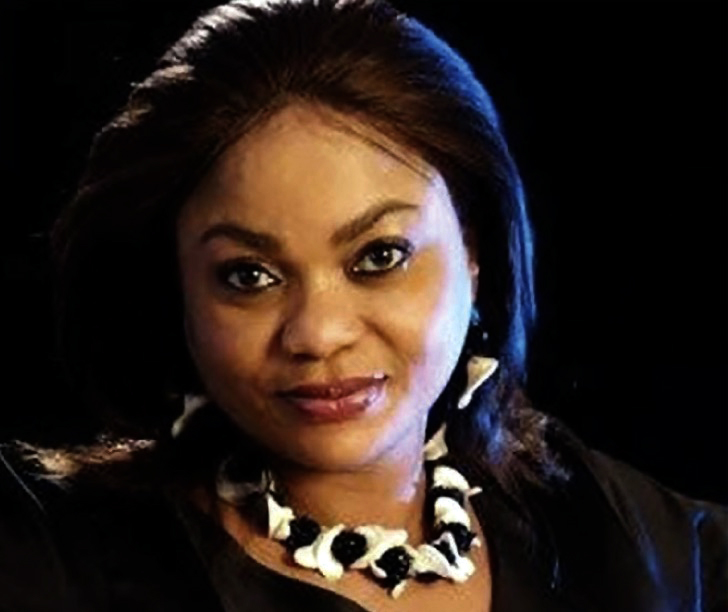
At just 30, the loss of her husband and the betrayal that followed transformed personal pain into a lifelong mission to help women facing trauma, abuse and widowhood.
Today, the founder of the Stop Hurting People Foundation and co-pastor, Winning Power Ministries, Eunice Iferi Chukwuemeka is advocating for healing, dignity, justice and practical support for women whose wounds often remain invisible.
In this interview with Daily Sun, she speaks about trauma, mental health, sexual violence, widowhood, faith and the urgent need for systemic change.
What first motivated you to focus on the emotional and psychological wounds of women, especially those who have experienced deep trauma?
I lost my husband at the age of 30 after only a few years of marriage. Life as I knew it ended. What devastated me even more was the betrayal by close in-laws whom I had treated as my own family. Instead of supporting me in grief, they focused on inheritance struggles and legal battles. People I loved and had cared for became adversaries the moment my husband was gone. That pain of loss, combined with the deepest betrayal I have ever experienced, led me to set up the Stop Hurting People Foundation. I wanted us to become a voice for the voiceless. Thankfully, we have become that.
How has your understanding of “hurting people” evolved, especially regarding invisible wounds such as depression, unresolved trauma, and mental health struggles among women?
Hurting people often carry wounds that are not immediately visible. Depression, unresolved trauma and other mental-health struggles can change how a woman sees herself, her relationships, her ability to trust, and even her future. She may become guarded, withdrawn, anxious, people-pleasing, emotionally numb or overly independent—not because she is difficult, but because she has learned to survive what once felt unsafe. With the right support, those survival patterns can become self-awareness, healthy boundaries, resilience and renewed hope. Healing does not erase what happened; it helps a woman stop allowing what happened to determine who she becomes.
What are the most common patterns of trauma you encounter among Nigerian women today, and how do they affect their mental health long-term?
One of the most common patterns is gender-based and relationship trauma—emotional, physical and sexual abuse, abandonment, betrayal, controlling behaviour, and the cultural pressure to endure in silence. These experiences frequently lead to anxiety, depression, low self-worth, fear of abandonment, emotional numbness, difficulty trusting others, people-pleasing, and in severe cases post-traumatic stress or suicidal thoughts. The wound often deepens when society tell women to “endure,” “forgive quickly,” or remain silent instead of offering safety, justice and genuine support.
Depression among women is often dismissed as “spiritual weakness” or “overthinking.” How do you distinguish between its spiritual, psychological and socio-economic dimensions, and what approaches work best?
We approach depression holistically because spiritual, psychological and socio-economic factors often overlap. We never assume that a woman who is withdrawn, hopeless, exhausted or constantly overwhelmed is simply spiritually weak or overthinking.
We assess the duration, severity and impact of her symptoms while also exploring trauma history, relationships, poverty, domestic violence, grief and other social pressures. Spiritually we offer prayer, faith and compassionate pastoral support, but we also recognise when professional mental-health care is needed.
The most effective approach is early identification, non-judgmental listening, evidence-based counseling or therapy, medication when clinically appropriate, strong social support, and practical help that addresses the real-life circumstances contributing to her distress.
What are the greatest barriers that prevent women—especially those from lower-income or rural backgrounds—from accessing mental health support, and how has the foundation tried to close that gap?
The greatest barriers are stigma, poverty, lack of awareness, limited access to qualified mental-health professionals, and the cultural belief that women should simply endure their pain. For women in rural and low-income communities, cost, distance and confidentiality concerns make seeking help even harder. At the Stop Hurting People Foundation’ we close this gap by taking mental-health awareness and psychosocial support directly into communities, creating safe spaces where women can speak without shame or judgement, providing trauma-informed support, and helping survivors understand that seeking help is not weakness—it is a courageous step towards healing, dignity and restoration.
What does meaningful, non-judgmental support for survivors of rape and sexual violence look like in practice?
Meaningful support begins first, by believing the survivor protecting her confidentiality, and refusing to blame or shame her. It means creating safe physical and emotional spaces, offering trauma-informed counseling, connecting her to medical care and legal support when she chooses it, and walking with her at her own pace.
We listen without pressure, affirm that the violence was never her fault, and help her reclaim a sense of safety, voice and dignity. Practical help—safe accommodation, livelihood support, and peer groups of other survivors—often proves as important as the emotional care.
How do you address the intersection of sexual violence, shame and faith? What pastoral and psychological principles guide your approach?
We hold two truths together: faith can be a source of profound hope and meaning, and trauma requires specialized psychological care. Pastoral care validates the survivor’s pain, rejects any theology that blames her or demands silence, and affirms that her worth is not defined by what was done to her. At the same time we ensure she receives proper psychological first aid and counselling. We never use prayer or scripture as a substitute for professional help. The goal is to restore both spiritual confidence and psychological healing so that faith becomes a support for recovery rather than a source of further shame.
What systems still fail rape survivors in Nigeria, and what changes—policy, cultural or ecclesiastical are most urgently needed?
Other News
Rape survivors and young widows are failed by weak enforcement of laws such as the Violence Against Persons (Prohibition) Act, limited access to justice and support services, deep-seated stigma, and harmful cultural and religious practices that blame victims, strip widows of inheritance and property rights, and pressure survivors to stay silent.
The most urgent needs are: full implementation and domestication of the VAPP Act across all states with accessible, survivor-centred services and shelters; cultural shifts that reject victim-blaming and uphold women’s dignity and property rights; and faith leaders who teach that silence and forced endurance are not virtues—justice, compassion and practical support belong to every survivor.
What unique mental health and trauma challenges do young widows face that differ from those of older widows?
Young widows face a uniquely layered trauma. They grieve sudden loss while still building their adult lives, often carry full financial and caregiving responsibility with little preparation, and encounter greater social isolation, harmful cultural practices and vulnerability to exploitation. Unlike older widows who may already have established security, wider social standing or life experience to draw on, young widows more often struggle with disrupted education or livelihood, heightened uncertainty about the future, and the feeling of being unheard or dismissed. Their trauma is therefore not only grief but also a profound loss of agency and stolen potential.
How does the foundation support young widows both practically and in processing grief, identity loss, and the risk of depression?
We wrap young widows in whole-person support. Practically we provide safe housing, livelihood training and assistance with children’s education so that daily survival pressures ease. Emotionally we offer trauma-informed counseling, peer safe spaces and grief support that honours their loss, helps rebuild a sense of self, and addresses identity loss. We actively monitor and mitigate depression and secondary trauma. The aim is that they heal not merely by “getting by,” but by being seen, supported and empowered to rebuild their lives with dignity.
How do you help young widows reclaim agency, dignity and a sense of future without rushing the healing process?
We centre their voice and choice above everything else. We affirm that they do not need to remarry quickly to prove their worth and that they are not a burden to anyone. We create safe spaces where they can grieve at their own pace, free from community pressure, while simultaneously building practical independence through livelihood support. We walk alongside them without rushing, helping them reclaim agency, rebuild dignity, and shape a future they themselves choose—on their own timeline.
How do you approach the interplay between trauma, economic survival and mental health when designing rehabilitation programmes?
We design programmes that address survival and healing together, because trauma cannot be fully processed when basic needs remain unmet, and economic hardship itself often stems from past harm. We begin by providing practical, stable support that eases immediate survival pressure, then layer in trauma-informed mental-health care that honours each person’s unique experience. This dual approach recognises that mental health, economic stability and recovery are deeply connected. True rehabilitation restores both dignity and independence.
What role does faith play in trauma recovery without replacing professional mental health care? How do you integrate pastoral care with counseling?
Faith offers vital emotional strength, hope and a sense of meaning, but it complements—never replaces—professional mental-health care. We integrate pastoral care with trauma-informed counseling by working alongside faith leaders to provide compassionate, prayerful support that validates survivors’ experiences and never tells them simply to suffer in silence. At the same time we ensure they receive proper psychological first aid and counseling. In this way faith sustains them emotionally while professional care heals the trauma, honoring both their beliefs and their mental health.
Can you share (without breaching confidentiality) an example of a woman’s journey from severe trauma or depression to restored functioning?
There was a young widow, Amara. She came to us withdrawn, severely depressed, and struggling to care for her children after losing her husband and being displaced from her home by hostile community traditions. She carried deep trauma, felt worthless, and saw no future for herself or her family.
We wrapped her in whole-person support: safe accommodation, livelihood training that enabled her to build a small business, and gentle trauma-informed counseling in a peer support circle where she could speak freely without shame. Over time, not quickly, but steadily—she began to believe in herself again. Today, she runs her business independently, laughs again, and mentors other women walking the same path. Her journey shows what our approach is built on: healing happens when dignity is restored alongside practical support, and when someone stands with you until you are strong enough to stand on your own.
What structural changes—legal, educational, ecclesiastical or cultural—would most improve women’s mental health outcomes and reduce trauma related to gender-based violence and widowhood?
The greatest impact would come from moving from reacting to trauma to preventing it. We need strengthened and fully enforced laws against gender-based violence, affordable access to justice, shelters and trauma-informed mental-health care for survivors, and comprehensive education on consent, healthy relationships and safeguarding as part of schooling. Churches and other faith institutions should actively challenge victim-blaming, harmful teachings and discriminatory widowhood practices while training clergy to recognise trauma and refer survivors to qualified professionals. Culturally we must redefine masculinity away from control and entitlement and strengthen women’s economic independence and social protection. Women’s mental health will improve when safety, dignity, justice and support are not privileges but systems built into everyday Nigerian life.
What is the most important message you would give to young women currently experiencing trauma, depression, or the aftermath of sexual violence?
What happened to you are not who you are. And it is not the end of your story. You are not to blame for the violence you experienced, and you do not have to carry the shame, pain or silence alone. Healing may take time, but you can rebuild your life, rediscover your voice and become whole again. Reach out for safe, trusted support—you deserve to be believed, protected, loved and given the opportunity to thrive.
What personal disciplines or support systems help you remain resilient while continually engaging with other people’s pain?
Boundaries, emotional discipline and a personal support system are essential. I have learned to care deeply without carrying everyone’s pain as if it were my own. I make time to pray. Rest, reflect and process what I encounter, and I have trusted people—a mentor, counselor, spiritual leader or peer support group with whom I can safely unload. You cannot pour from an empty vessel. Protecting your own emotional wellbeing is not selfish. It is part of your responsibility to those you serve.