Follow Us on Google
From Scholastica Hir, Makurdi
The Faculty of Environmental Sciences at Rev. Fr. Moses Orshio Adasu University, Makurdi (MOAUM), in collaboration with the Environment and Safety Management Institute and civil society partners, has successfully hosted the 1st International Conference on “River Benue and Sustainable Development in the 21st Century.”
The event, which was held from September 9 to 12, drew over 200 participants from academia, government, civil society, and development organisations.
Welcoming participants, Acting Vice-Chancellor, Professor Simon Ubwa highlighted the global significance of rivers in sustaining civilisations, drawing parallels with the Nile, Indus, and Tigris-Euphrates.
He stressed the urgent need to safeguard the River Benue amidst threats from climate change, flooding, and unsustainable practices.
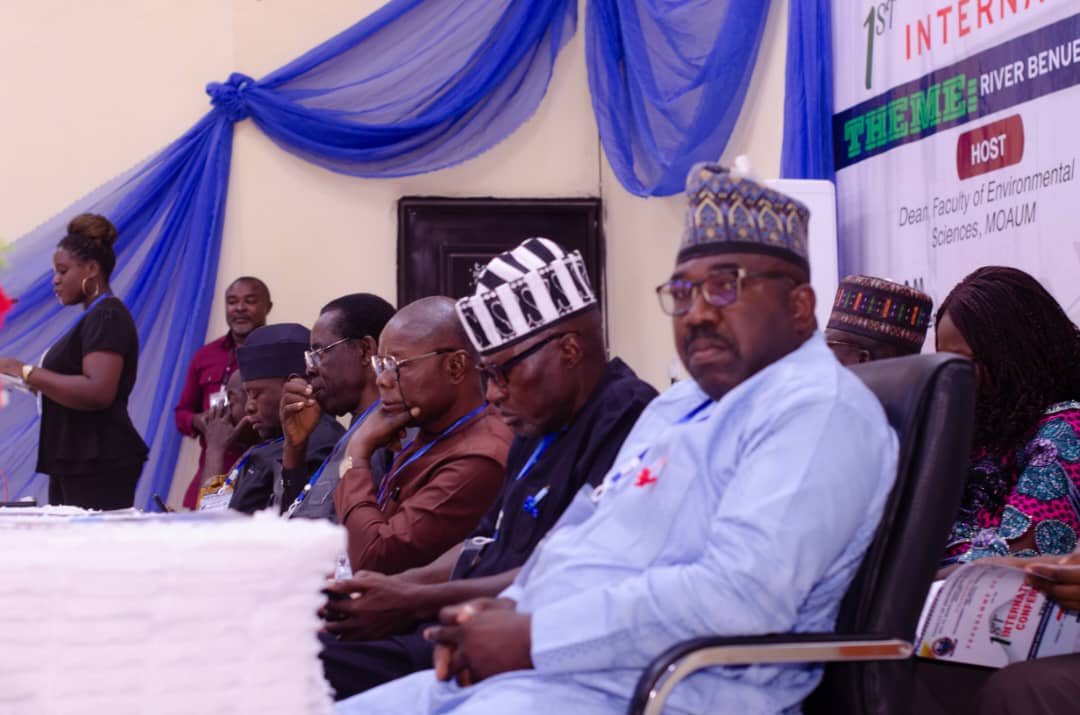
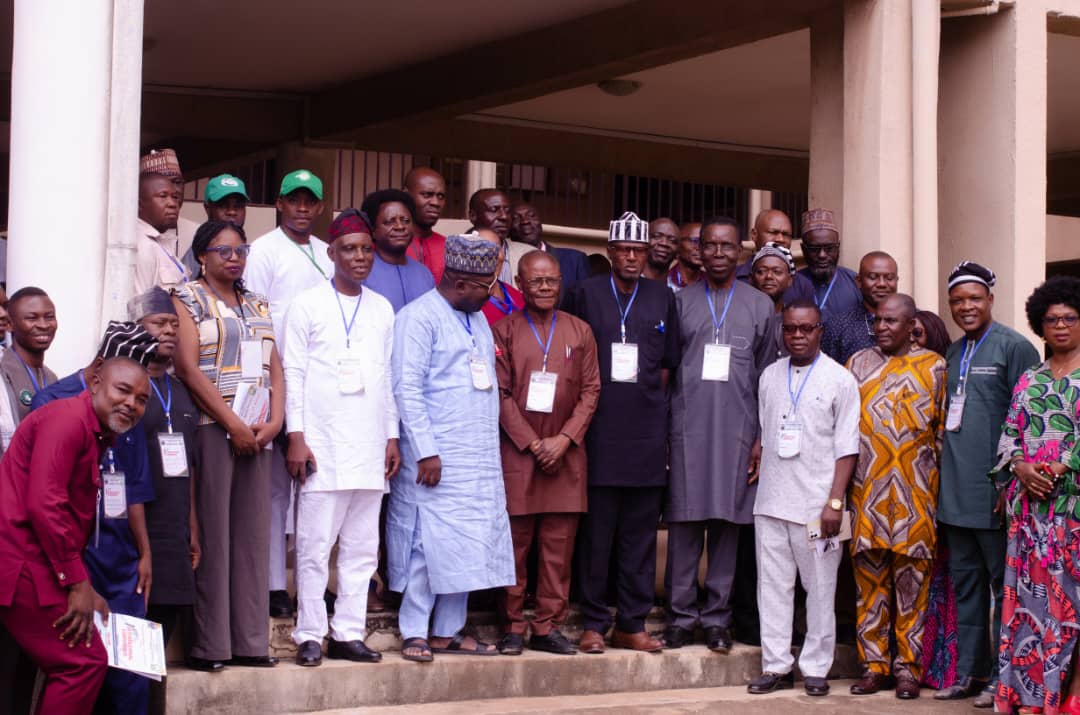
In his remarks, the Dean, Faculty of Environmental Sciences, Professor Daniel Ortserga, described the river as a “resource giant” with immense ecological and socioeconomic potential, while noting challenges such as farmer-herder conflicts, unsustainable fishing practices, and untapped tourism opportunities.
The conference featured lead papers from distinguished scholars. Professor Temi Emmanuel Ologunorisa of Olusegun Agagu University of Science and Technology discussed climate change, flood hydroclimatology, and policy-science integration for flood risk management.
Professor Olarewaju Oluseyi Ifatimehin of Kogi State University addressed land degradation, climate resilience, and sustainable river basin development.
Additional insights came from key stakeholders, including Professor Member Genyi, Director of Gender Studies, MOAUM, who emphasised proper management of the River Benue for its economic gains.
She noted that, “The things we say about linking resources from River Benue and the extent of sustainability of the process of development is very important because we will not just be raising proposals in this hall, but that they will be taken out to be made into policy options, how it serves the environment, climate change, economic opportunities, etc.”
Other News
Also the Managing Director of the Lower Benue Development Authority, Engr Terese Ninga, stated that the river is undergoing changes detrimental to the wellbeing of its people, noting the importance of academic research in guiding sustainable solutions.
Dr. Kenneth Uchua, Director of the National Space Research and Development Agency (NARSDA), stated, “When very good decisions are taken on the premise of high verifiable results, they will be guaranteed for livelihood, sustainability of our environment, and improvement of wellbeing.”
Dr. Daniel Dam, Deputy Dean of the Faculty, described the River Benue as one of God’s natural gifts, emphasising the need to harness its resources for regional and national development and to ensure food security.
Over 60 papers were presented in technical and plenary sessions, covering key themes such as “Climate Change and Water Resources – rainfall variability, water level changes, flood risk mapping, and community resilience”; “Ecosystems, Land Use, and Sustainability – erosion, contamination, fisheries, riparian vegetation, and renewable energy solution,” “Socioeconomic Development and Livelihoods – farmer-herder conflicts, inland water transportation, fisheries-based livelihoods, and migration impact”, among others.
Our correspondent reports that a consistent message across all sessions was that the River Benue is not only an ecological resource but also a socioeconomic lifeline, requiring urgent policy action, technological innovation, and inclusive community engagement.
In their separate goodwill messages heads of civil society organisations (CSOs) including the Executive Director Global Initiative for Food Security and Ecosystem Preservation (GIFSEP), Dr. David Terungwa, called for safeguarding the river as a lifeline for over 20 million people and aligning interventions with the SDGs.
Acting Deputy Executive Director and Gender Desk Officer, Gender and Environmental Risk Reduction Initiative (GERI), Stephanie Temang, emphasised gender-responsive approaches to environmental risk reduction.
The National Network Coordinator, Climate and Sustainable Development Network (CSDevNet), Stephen Abuh, stressed the need for climate-smart agriculture, policy integration, and ecosystem-based management, while the Global Health Education Foundation (GLOHEF), reaffirmed its commitment to community-driven health and environmental initiatives and support for sustainable management of the River Benue.
The conference affirmed the River Benue’s centrality to food security, biodiversity conservation, and socioeconomic resilience and called for strengthening of collaboration among academia, government, CSOs, and communities, mainstreaming climate adaptation and disaster risk reduction into river basin management.
Stakeholders also called for the promotion of sustainable livelihoods through eco-friendly practices and renewable energy, enhancing community awareness and participation, particularly of women and youth as well a development of policies to harness tourism, transport, and agricultural potentials of the River Benue.