Follow Us on Google
By Chinwendu Obienyi
The Impact Investors Foundation (IIF) is collaborating with the Global Steering Group for Impact Investment (GSG) and the Financial Reporting Council of Nigeria (FRC) to bolster the capacity of over 100 MSMEs, financial, and sustainability professionals across both public and private sectors in embracing the International Sustainability Standards Board’s (ISSB) IFRS Sustainability Disclosure Standards.
According to a statement seen by Daily Sun, this collaborative effort aims to equip Nigerian companies for the impending implementation of the IFRS Sustainability Disclosure Standards, which will establish a universal baseline of consistent financial reporting, facilitating informed decision-making among investors.
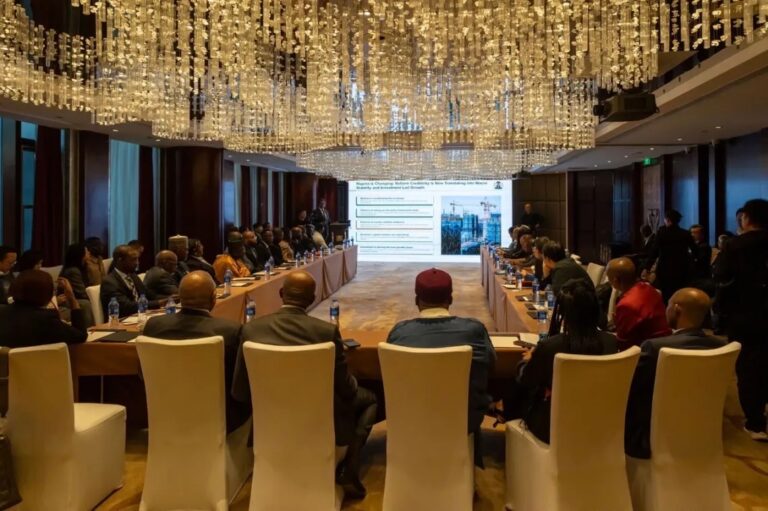
Supported by the FCDO, workshops conducted in Abuja and Lagos witnessed the participation of representatives from listed and large corporates, SMEs, Enterprise Support Organizations, investors, chambers of commerce, policymakers, financial regulators, accounting professionals, and academia.
In her opening remarks, the Chairperson for Nigeria National Advisory Board for Impact Investing (NABII), Mrs Ibukun Awosika, said conversations on impact transparency and measurement were important to position Nigeria for the benefits of impact investment and increase the flow of capital to the nation.
The CEO of Impact Investors Foundation (IIF), Ms Etemore Glover, in her remarks, said that increased transparency means more opportunities for FDIs, impact capital, partnerships and long-term value creation and sustainability of businesses.
She charged participants to be the champions of the ISSB by adopting and implementing it for their businesses while commending MTN Nigeria for getting its leaders onboard as early adopters of the standards.
The Chief Policy Officer, GSG, Sebastian Welisiejko, explained that impact transparency was at the core of GSG’s mission as it would accelerate the advancement of impact-led economies.
He continued that, private capital flows to emerging economies, including Nigeria, are estimated to have declined by 22 per cent from 2019 to 2022, increasing the annual financing gap to meet the SDGs. He however noted that impact transparency can reverse the trend because providing adequate information on the social and environmental impact of businesses would encourage investment flow and bridge the SDG financing gap.
“Impact transparency will transform information available to investors and other stakeholders. If delivered inclusively, it will help to reduce information and knowledge barriers that prevent the flow of investment from reaching the Emerging and Developing economies,” he added.
Addressing workshop participants, the Director/Head of the Directorate of Public Sector Accounting Standards, Financial Reporting Council of Nigeria (FRC), Dr Iheanyi Anyahara, encouraged organisations in Nigeria to embrace early adoption of the standards to benefit from the opportunities.
He explained that the Federal Executive Council (FEC) passed a resolution in 2010 that Nigeria should adopt global standards on accounting and auditing-related matters, adding that having a single set of high-quality global sustainability reporting standards being issued by the ISSB has immense benefits.