Follow Us on Google

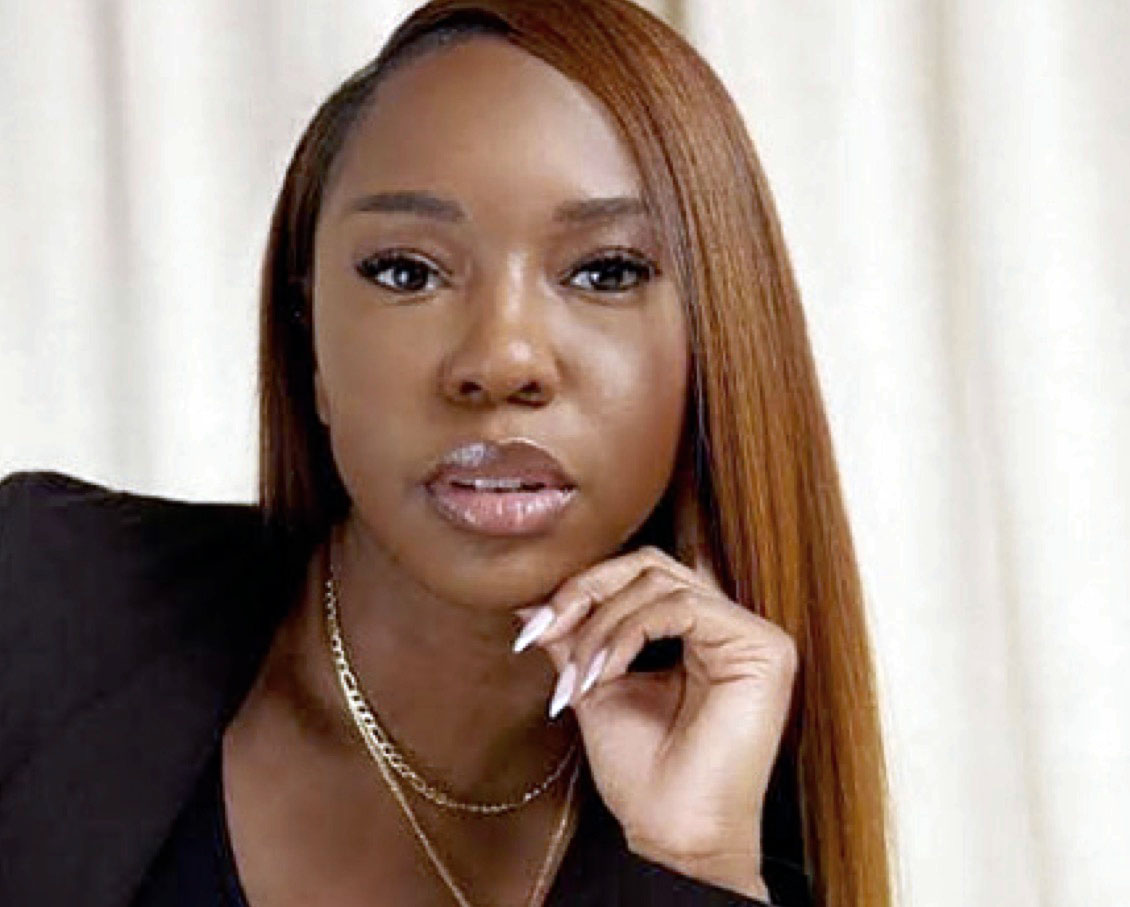
Olamide Olowe, founder of Topicals, one of the leading Gen Z skincare brands at Sephora, has recorded remarkable milestones, including selling more than 10 million eye masks globally and achieving 12-fold revenue growth within five years. Her entrepreneurial success has also made her the youngest Black woman to raise more than $10 million for her business.

At the GTCO fashion week Masterclass, Olowe shared insights into her entrepreneurial journey, the principles behind building a globally recognised brand, the importance of cultural identity and the challenges of leadership. She later spoke with Sunday Sun on how Nigerian creativity, authenticity and determination can shape global business success.
What is the most important mindset required to build something meaningful?
You cannot be afraid to try things in front of people and fail. You must be comfortable with people not understanding you or challenging your opinions. Ultimately, it is about stewarding your gifts and remaining true to the person you believe you can become.

Success does not arrive fully formed. It happens while people are watching, doubting and questioning why you are doing things differently. Your responsibility is to keep going regardless.
How should Nigerians draw inspiration from others when building brands or pursuing their careers without losing their individuality?
Many of us try to become like someone else simply because we admire them. I never attempted to emulate anybody wholesale. The world does not need another version of someone else; it needs your perspective and unique way of thinking.
Nigerians possess a level of power, taste and work ethic that the world has not fully experienced. I am successful because I am Nigerian and because of the lessons my upbringing here taught me.
Black culture leads popular culture. We should begin to see ourselves as the blueprint rather than constantly looking to the West for inspiration. The creativity is already within us. The question is whether we trust it enough to put it at the centre of what we create.
As a creative person with diverse interests, how do you bring them together without feeling pulled in different directions?
Write down your talents, gifts and the things you love, then look for where they intersect. I loved film, fashion, theatre and skincare, and I also had a heart for people. Initially, I wanted to become a doctor. These interests appeared completely unrelated, but instead of choosing one and abandoning the others, I brought them together in a melting pot and created Topicals.
Your ideas will not always make sense to other people. That is why creatives and entrepreneurs need to be strong-willed. People will tell you to go left when you are determined to go right. The important thing is to remain committed to that intersection of your interests, even when it looks unusual to others.
There were people who doubted the viability of Topicals when you started. How did you overcome the criticism?
There were so many voices suggesting that the business would fail. People questioned why we wanted to feature individuals with dark spots and acne in our campaigns. They also wondered how streetwear and fashion could connect with skincare. It worked because it was new and authentic. Copying another brand wholesale is not innovation; it kills the ecosystem. Drawing inspiration from others is perfectly fine, and learning from what they do well is important. But blindly copying them is not. Authenticity comes at a cost, but it is the only investment that delivers long-term dividends.
How did your academic background in political science influence your approach to building a brand?
I initially wanted to become a doctor, but I also studied political science. Through political theory and books such as The Social Contract, I began asking questions about what it means to build a nation and why people develop a sense of pride in belonging to one. That made me think about building brands in the same way we build nations. A brand should have its own language, appearance, identity and means of expression. More importantly, it should make people proud to belong to its community.
When someone tells me they used their Topicals eye mask that morning or always carry our lip balm in their purse, I see that as an expression of community pride. It is similar to the pride people feel when they identify as Nigerians. Brands that endure are not merely products. They create spaces where people can recognise themselves and feel a sense of belonging.
What are the fundamental principles that guide your approach to building Topicals?
Three principles have remained constant. First is the product. This is non-negotiable. Having a beautiful brand identity and an impressive marketing campaign is not enough if the product does not work or solve a genuine problem. Topicals was created to address dark marks and hyper-pigmentation, particularly among Black women who were not finding satisfactory results with existing products. That gave us product-market fit. Without a product that meets a genuine need, everything else eventually collapses.
The second principle is social impact. Consumers increasingly expect brands to demonstrate that they care about their well-being beyond selling products. I struggled with confidence and mental health while dealing with acne and dark spots. That experience influenced our decision to create a platform where people could openly discuss those challenges. We wanted customers to understand that their emotional well-being mattered to us. That conversation became part of our brand offering.
The third is storytelling. A product without a soul can easily be copied. But the stories, culture, music, fashion and emotional experiences surrounding a brand create a sense of belonging that competitors cannot easily replicate.
These principles are not rigid rules. Markets evolve, and new platforms and consumer behaviours emerge. TikTok, for instance, did not exist six years ago. The real skill lies in remaining adaptable while staying true to the fundamental values of what you are building.
You have spoken about the influence of culture and storytelling in building Topicals. How important are these in shaping a brand’s identity?
Living in Paris is like living in Lagos, New York or any other major city. Every city has its own culture and spirit, but much of its identity is shaped by the stories people tell about it. The story of Lagos, for instance, is that it is a place to party, have a good time, eat well and connect with family. Similarly, America has the idea of the American Dream. During the country’s formative years, that identity was deliberately created and promoted. People were encouraged to believe that coming to America would offer them a better life, greater opportunities and support. That story was repeated until it became a self-fulfilling prophecy.
We applied a similar approach at Topicals by consistently telling stories inspired by my upbringing as a third-culture kid. I spent my summers and Christmas holidays in Nigeria while attending school in America. I grew up understanding Black American culture through films such as Belly and Ocean’s Eleven, hip-hop and streetwear, while also experiencing Nollywood and Afrobeats. Black Bachata music was even played in our home.
It is important to understand the culture your customers identify with and incorporate it into your brand. For us, that meant telling stories at the intersection of these cultures.
What has your experience been like as the founder and former CEO of Topicals, particularly in managing people and leading the business?
Many people perceive the founder-CEO as someone whose primary responsibility is to tell everyone what to do. In reality, leadership is about servant leadership and serving the interests of every stakeholder.
When I was CEO of Topicals, my investors were stakeholders to whom I had a responsibility to deliver returns. My customers were stakeholders, and I had to provide products and experiences that would make them want to keep buying from us. My employees were also stakeholders, and I had to ensure they were motivated and fairly compensated. I was equally accountable to myself and held myself to a high standard of excellence.
The number-one responsibility of a leader is clarity of vision. The Bible says, “Write the vision and make it plain.” At Topicals, we developed a brand manifesto built around four non-negotiable values.
The first was bias to action with buy-in. If you identify a problem, you take responsibility for finding a solution. You do not simply assume it is somebody else’s job.
The second was empathy. This applied to colleagues, because not every day is a good day; customers, because dealing with skin conditions can be difficult and frustrating; and ourselves, because nobody gets everything right all the time. When you make a mistake, you must be willing to get back up.
The third was being creatively cool. We wanted people to bring their whole selves to work, whether Nigerian, Asian, male, female or from any other background, and contribute their unique creativity to the team.
The fourth was we over me. There is no ‘I’ in team. Our successes and failures were collective responsibilities.
I personally hired almost everyone who joined the company and assessed candidates against these four values. Having impressive professional credentials or exceptional talent was not enough. If someone did not fit our culture, they could not join the team, even if they had worked for a prestigious company and wanted to impose its established way of doing things.
As a CEO, you must repeat yourself constantly, both to employees and customers, until the message becomes part of the organisation’s culture.
You have since stepped aside as CEO. What informed that decision, and how has the transition been?
I am grateful to God for the talents He has given me. Before Topicals became successful, I used to pray that success would not come until I was ready for it. I had seen what happens when people receive opportunities they are not adequately prepared to sustain.
Topicals was always bigger than me. Although it was my vision, I never approached it as though it were simply my personal possession. From the outside, our journey might have appeared easy, but privately, it was challenging. There were problems I could not solve alone, and everyone looked to me for answers.
Our biggest challenge eventually became the supply chain. The business was growing so rapidly that I could no longer function effectively as CEO, oversee product development, lead creative and marketing, and simultaneously manage inventory funding and supply-chain timelines to ensure we never ran out of stock.
Product availability is central to the business. If customers cannot get our eye masks for two months, then I am failing them.
I have no ego about who leads Topicals. My only concern is that we serve our customers well. I also understand my strengths and recognise the areas where I am not at my best.
You are building a growing business ecosystem that includes Topicals, a haircare brand and an upcoming fashion line. How do these ventures complement one another without diluting the identity of each? What should people expect from the fashion brand?
The centre of this ecosystem is how I interpret culture and understand the customer. My heart is in serving Black women by creating products and experiences that make them feel like the most important people in the world. Everything I build is intended to revolve around that central purpose.