Follow Us on Google
With Funsho Arogundade
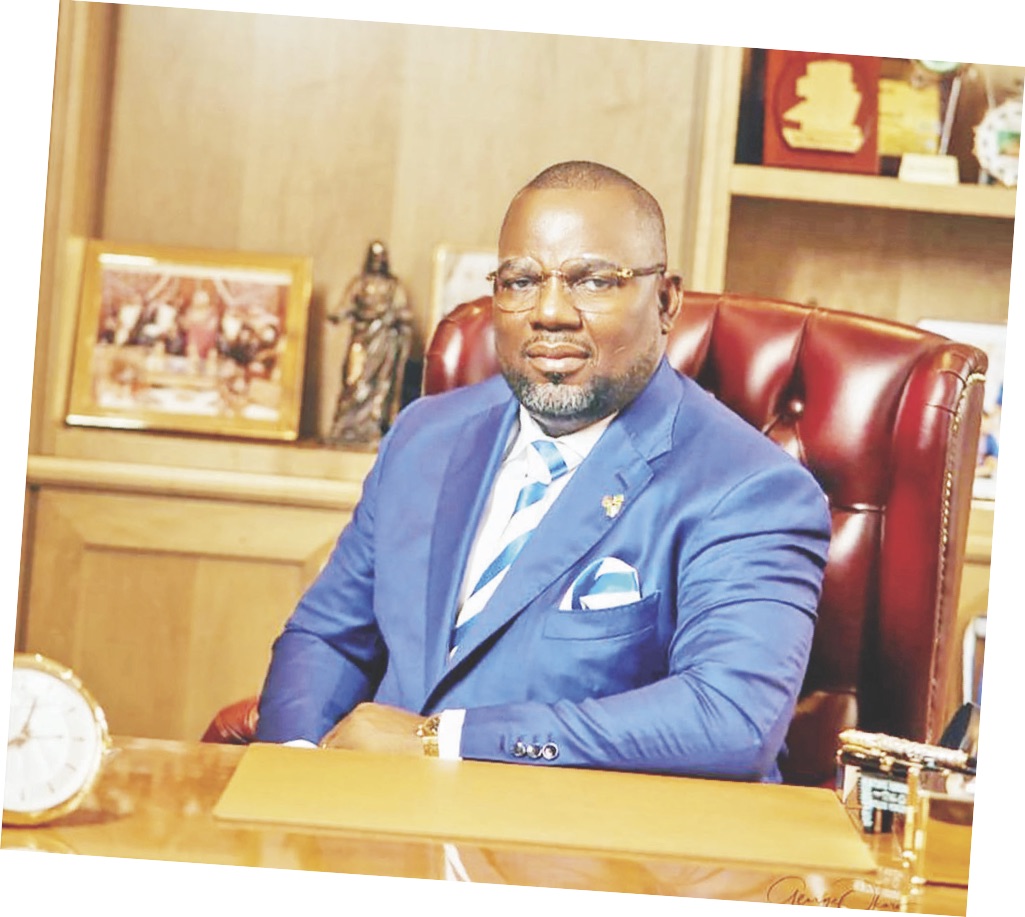
Dr. Julius Dediare Rone has once again cemented his reputation as Nigeria’s ‘King of Gas.’ The founder of UTM Offshore Limited, a company behind Nigeria’s first indigenous Floating Liquefied Natural Gas facility, has carved a niche for himself as a transformative leader in Africa’s energy sector. He has long been admired as a shrewd dealmaker with rare foresight. With an encyclopedic grasp of the downstream, midstream and upstream value chains, Rone has also shown ability to rattle off solution-driven insights.
Recently, the gas magnate added another milestone to a career already filled with industry firsts. His company, UTM Offshore, through its FLNG subsidiary, took a bold leap that could rewrite the narrative of Nigerian gas commercialisation. Rone secured one of the final pieces needed to move Nigeria’s first indigenous floating liquefied natural gas (FLNG) project from years of planning to construction.
The firm signed a binding 15-year Wet Gas Sale and Purchase deal with a joint venture between NNPC Limited and Seplat Energy for feed gas, clearing a hurdle to Nigeria’s first floating LNG. Under it, NNPC Limited and Seplat Energy will supply 200 million standard cubic feet of gas a day over 15 years. The agreement gives UTM a clear line of sight to a final investment decision in the fourth quarter of this year. The steady supply of 200 million standard cubic feet of gas per day will come from the Yoho Field (OML 104), offshore Akwa Ibom State. It has enough to feed Nigeria’s first indigenous floating liquefied natural gas (FLNG) plant. The deal has been described as a watershed moment for Nigeria’s Decade of Gas initiative, which aims to boost domestic gas utilisation by 2030. The project is expected to generate predictable revenue, assure LNG buyers of stable supply and signal to financiers that the venture has long-term viability.
On the financing front, Afreximbank is leading the charge, mobilising $2 billion for the first phase and an additional $3 billion earmarked for the second. Rone is aiming to take a final investment decision on the deal in September, moving ahead of the fourth-quarter timeline his partners have given publicly, with one of the three commercial agreements the project needs still unsigned.
For Rone, the deal is more than a business triumph but a masterclass in turning what many thought impossible into a commercial reality. In doing so, he has not only advanced his company’s fortunes but also handed Nigeria a powerful tool to reshape its gas future. He said the FLNG plant will employ at least 15,000 Nigerians across the six geopolitical zones once fully operational.