Follow Us on Google
Refuse crisis deepens in Lagos amid alleged governorship bid by LAWMA boss
By Lukman Olabiyi
By dawn in many parts of Lagos, the city’s defining sound is no longer the blare of horns or the chatter of early morning traders.
Instead, it is the silence of neglect — broken only by the buzzing of flies hovering over mountains of decomposing refuse.
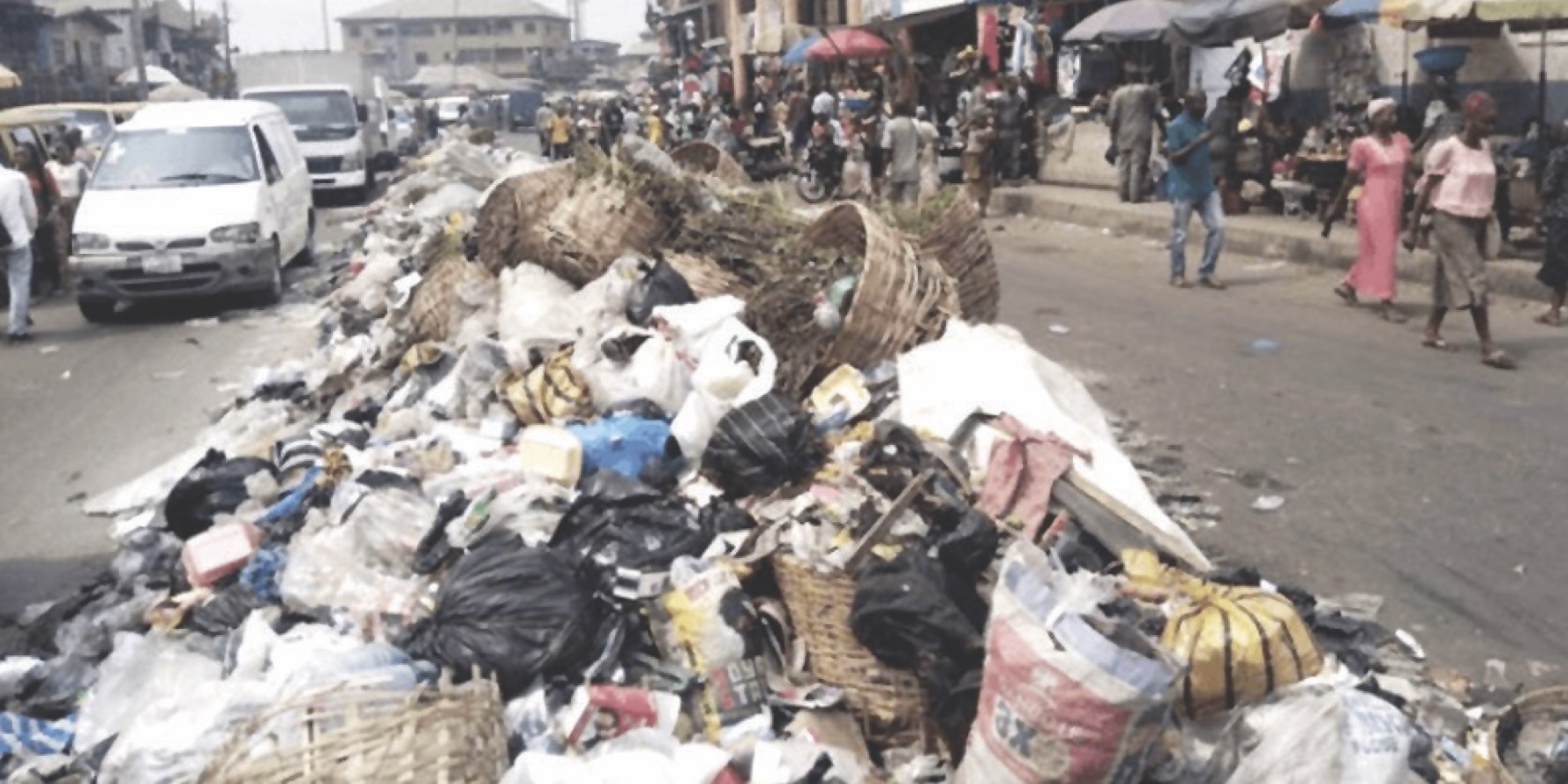
For millions of Lagos residents, each morning begins with a confrontation: Piles of uncollected waste stacked at street corners, bus stops, road medians and drainage channels, releasing a stench that hangs heavily in the air.
Under the unforgiving tropical sun, these refuse heaps fester, turning neighbourhoods into open dumping grounds and transforming Africa’s most populous city into a public health time bomb.
From Ikorodu to Mushin, Oshodi to Surulere, and from Ibeju-Lekki to Iyana-Ipaja, Apapa, Ibeju-Lekki the story is disturbingly similar.
In Ikotun, Ejigbo and Egbeda, garbage spills onto roads, forcing pedestrians into traffic. In Mile 2, Mile 12, Okokomaiko and Iyana-Iba, blocked drainage channels overflow with a toxic mix of waste and stagnant water.
In Abule Egba, Meiran, Alakuko, Agege and Apapa, refuse mounds sit undisturbed for days, sometimes weeks.
Across the metropolis, the smell of decay blends with exhaust fumes, creating an environment that residents describe as suffocating and degrading.
What was once an occasional inconvenience has now evolved into a full-blown crisis, one that threatens public health, environmental sustainability and the credibility of Lagos’ waste management system.
With an estimated population exceeding 21 million, Lagos generates more waste daily than most African countries.
According to official figures, the state produces over 13,000 metric tonnes of waste every day, amounting to approximately 4.75 million tonnes annually.
Yet, insiders within the Lagos State Waste Management Authority (LAWMA) admit that only about 40 percent of this waste is properly collected and disposed of.
The remaining 60 percent finds its way into streets, highways, canals, lagoons and open spaces, compounding flooding risks and environmental degradation.
Overflowing bins have become fixtures in many neighbourhoods. Illegal dumpsites have sprung up in abandoned plots and road setbacks.
Drainage channels meant to ease floodwaters are now clogged with plastic bottles, food waste and discarded household items.
Health experts warn that the consequences could be severe.
“This isn’t just a sanitation issue anymore; it’s a full-blown crisis. With this level of exposure, we’re looking at an outbreak waiting to happen- cholera, typhoid, dysentery. It’s only a matter of time,” warned Dr. Raheem Adeoye, a public health specialist.
Accumulated refuse attracts rodents, mosquitoes and other disease vectors, increasing the risk of outbreaks of cholera, typhoid fever, malaria and other sanitation-related illnesses.
During the rainy season, blocked drains heighten the risk of flash floods, which often wash refuse into homes and contaminate water sources.
At the centre of the growing public outrage is LAWMA, the agency statutorily responsible for waste management in Lagos State.
Once celebrated as a model for urban sanitation reforms, the agency is now grappling with credibility challenges amid mounting operational failures.
LAWMA operates a decentralised waste collection system through partnerships with 420 Private Sector Participants (PSPs), while over 16,000 street sweepers are deployed daily to clean highways and major roads across the state.
But despite this extensive framework, the system appears overwhelmed.
A senior LAWMA official, who spoke on condition of anonymity, described the situation as dire.
“There are many issues: funding shortfalls, disputes with PSP operators, staff shortages, aging equipment and constant breakdowns. We are trying to manage, but the resources are simply not enough to match the scale of Lagos,” the official said.
Participants, who form the backbone of door-to-door waste collection, say they are increasingly unable to sustain operations. Some operators complain of delayed payments, rising fuel costs and poor road infrastructure that damages trucks and increases maintenance expenses.
Others allege that certain routes have become financially unviable, forcing them to reduce service frequency or abandon areas altogether.
Other News
The closure and restructuring of major dumpsites, including the Olusosun landfill, have further stretched turnaround times, leading to backlogs and missed collections.
The blame game between LAWMA and PSP operators has only deepened the crisis. While LAWMA accuses operators of inefficiency and non-compliance, PSPs insist that systemic failures and poor support from the agency are to blame.
Sources familiar with LAWMA’s operations reveal that the agency’s fleet of waste-collection trucks is aging and insufficient for a megacity of Lagos’ size. Frequent breakdowns reduce daily evacuation capacity, leaving refuse stranded in communities.
In response, some local councils have reportedly taken matters into their own hands, acquiring trucks independently to ensure regular refuse evacuation within their jurisdictions. While this grassroots intervention underscores the urgency of the problem, it also highlights a breakdown in coordination at the state level.
Compounding the operational challenges is a growing political controversy surrounding the leadership of LAWMA.
One of the “Ogas at the top”, according to a local parlance, is at the centre of allegations that he has been distracted from his responsibilities in Lagos by a purported ambition to contest the governorship of neighbouring state.
Community leaders, environmental activists and residents have openly expressed a vote of no confidence in LAWMA leadership capacity, describing the worsening refuse situation as “disgraceful” and “embarrassing for a global city.”
Speculation has intensified following reports that one of the “Ogas at the top” has been spending significant time in a neighbouring state, allegedly meeting with traditional rulers and political stakeholders as part of early groundwork for a future governorship bid.
Campaign banners bearing his name are said to have appeared in parts of the state, further fuelling rumours about his political intentions.
The alleged “Oga at the top” is not new to politics. He previously served as a commissioner under a late former governor and sources claim he has maintained strong political networks across the state.
Within LAWMA, staff members privately allege frequent visits by delegations from his community, reportedly linked to political mobilisation efforts.
There are also unconfirmed claims that the “Oga at the top” has cited President Bola Ahmed Tinubu as a supporter of his ambition, alongside suggestions that long-standing family ties influenced his appointment at the LAWMA top hierarchy. These allegations remain unproven but widely circulated.
However, the boss has firmly denied abandoning his duties or allowing political ambitions to interfere with his work.
In an official statement, he insisted that LAWMA intensified operations during the recent festive period, deploying 94 out of its 102 waste-collection trucks across 11 operational regions.
He said the agency also hired private trucks to supplement its fleet and recorded an average of 576 evacuation trips daily, operating round-the-clock.
He pointed to improved turnaround times at the Olusosun landfill and sanitation coverage for major cultural events, including the annual Eyo Festival, as evidence of operational efficiency.
Addressing political speculation, he maintained that his focus remains firmly on his role at LAWMA, stressing that any political decision would be communicated through official channels.
Again, speaking recently on a television programme, he called on residents to embrace responsible waste disposal practices, emphasising that indiscriminate dumping continues to undermine progress.
“Proper waste handling is central to achieving a cleaner, liveable and sustainable city,” he allegedly said, urging residents to adopt basic sorting practices by separating recyclable materials from general waste to improve collection efficiency and reduce landfill pressure.
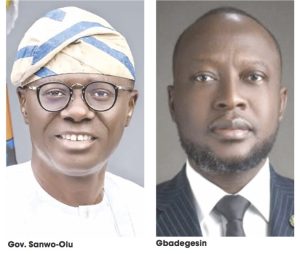
Governor Babajide Sanwo-Olu has also acknowledged the sanitation challenges confronting Lagos.
Speaking on environmental indiscipline during 2026 budget signing, he condemned indiscriminate dumping of refuse on road medians and public spaces, warning that stiffer penalties would be enforced.
“We will improve the capacity of LAWMA and PSPs in this year’s budget. We will increase the fleet of compactor trucks and provide all necessary equipment to keep the city clean and safe,”the governor said.
He added that LAWMA had been directed not only to apprehend offenders but also to prosecute environmental violations to deter indiscriminate dumping.
While political controversies dominate headlines, many experts argue that Lagos’ refuse crisis is ultimately systemic.
Rapid population growth, urban sprawl, inadequate funding, poor infrastructure and weak enforcement have converged to overwhelm the city’s waste management framework.
Environmentalists stress that without sustained investment, institutional reforms and citizen cooperation, Lagos risks sliding into a sanitation emergency with long-term consequences.
For residents navigating refuse-laden streets each day, the debate over ambitions and accountability feels distant. What they demand is simple: clean streets, functioning drains and a city that lives up to its reputation as Nigeria’s economic heartbeat.
Until then, Lagos remains trapped in a daily struggle with its own waste, a struggle that grows more visible, more dangerous and more urgent with every passing dawn.