Follow Us on Google
A Family’s Nightmare
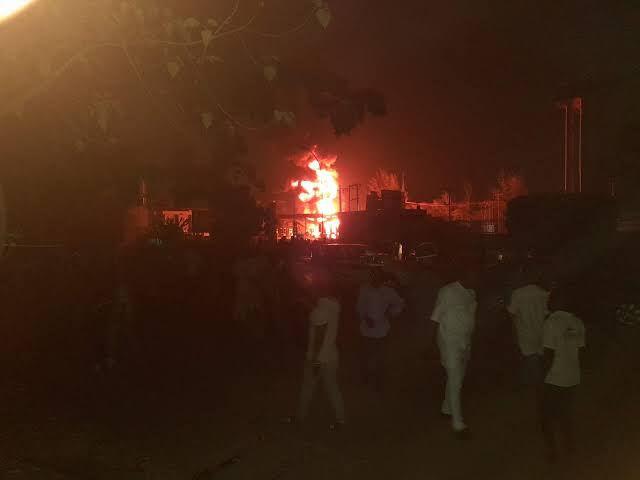
In a quiet Lagos neighborhood, the Ogundiya family once found comfort and belonging—until a single rumor shattered their world. In April 2021, a mob, incensed by whispers that the youngest son, Samuel Ogundiya, was bisexual, descended on their home.
The attack was swift and merciless: flames engulfed the house, trapping the family inside and forever altering their lives.
Adekunle Joseph Ogundiya, the devoted father, suffered severe burns to his legs while trying to shield his family. Despite months of medical care, he succumbed to his injuries in March 2022. His wife, Funke Kosemani Ogundiya, survived but was left with lasting scars, both physical and emotional.
The Attack and Its Aftermath
“My brother Samuel reached out to me for help when his sexuality was exposed,” recalls Kayode Ogundiya, the third-born son and himself a bisexual man.
“Before we could act, the mob attacked. Our father paid the price for simply being our parent.”
The fire did more than claim a life; it tore the Ogundiya family apart. Kayode, who had already survived a lynching attempt in 2014 for his relationship with a male partner, fled to Bayelsa State with his wife and daughter. Samuel’s whereabouts remain undisclosed for his safety. The family’s once-stable world was replaced by fear, grief, and uncertainty.
The Community Reacts
The attack sent shockwaves through the neighborhood, leaving some residents shaken and others silent. Mrs. Adebayo, a neighbor who witnessed the aftermath, struggled to hold back tears as she spoke: “The Ogundiyas were always kind to everyone. I never imagined something like this could happen on our street. No one deserves to lose their home or their life because of who their child is.”
Yet, not all voices expressed sympathy. Another neighbor, Mr. Bello, reflected the tension and fear that still lingers. “People here are scared,” he admitted quietly. “Some say what happened was wrong, but others think it’s better to stay silent. We all saw what the mob did—now, everyone is afraid to speak out.”
The Hidden Wounds
In the wake of the fire that consumed the Ogundiya family home, the devastation extended far beyond the charred walls and lost possessions. Adekunle Joseph Ogundiya’s final days were marked by excruciating pain, the severe burns on his legs a constant reminder of the violence that had shattered his family. For his wife, Funke, survival meant enduring not only physical wounds but also the emotional scars left by the attack. In Nigeria, injuries like theirs often go untreated or are met with inadequate care, as victims of anti-LGBTQ+ violence live in fear of further retaliation or discrimination, even in hospitals.
The trauma did not end with the fire. For Kayode Ogundiya, memories of the mob’s rage and the loss of his father replayed endlessly, fueling sleepless nights and a persistent sense of dread. The psychological toll, anxiety, depression, and post-traumatic stress—haunted the family, who found themselves isolated and unable to access the kind of mental health support they desperately needed.
The stigma attached to their ordeal, and the ever-present threat of further violence, made seeking help nearly impossible.
Displacement became their only refuge. With their home reduced to ashes and their safety in question, the Ogundiyas scattered—Kayode fleeing with his wife and daughter to Bayelsa State, Samuel vanishing into secrecy, and Funke left to recover in an unfamiliar place. Their story is echoed by countless others across Nigeria, where accusations of homosexuality can drive families from their communities overnight, leaving behind empty houses and lives uprooted by fear.
Calls for Justice and Change
The Ogundiyas’ suffering is not an isolated tragedy but part of a wider crisis. Nigeria’s Same-Sex Marriage Prohibition Act has emboldened mobs, deepened stigma, and stripped away the protections that families like the Ogundiyas once relied on. Human rights groups are calling for international attention and urgent reform, while local activists demand justice and the repeal of discriminatory laws.
As the Ogundiyas mourn the loss of their father and struggle to rebuild their lives in hiding, their story stands as a plea for compassion and change. “No one should die for who they love,” Kayode says, his words echoing the pain and resilience of countless others. “The world must see what’s happening here.”