Follow Us on Google
From Fred Ezeh, Abuja
The Nigeria Centre for Disease Control and Prevention (NCDC), yesterday, said there is currently no confirmed case of Ebola Virus Disease (EVD) in Nigeria.
However, the NCDC confirmed that it is closely monitoring the situation in the Democratic Republic of the Congo (DRC) and Uganda, following increased regional movement across countries.
The agency advised Nigerians to remain calm, avoid spreading misinformation, maintain regular hand hygiene, avoid contact with bodily fluids of sick persons, refrain from contact with dead animals or bushmeat from unknown sources, promptly report unusual illnesses to the nearest health facility and follow updates only from official public health authorities.
It explained that Ebola Virus Disease (EVD) is a severe viral illness caused by the Ebola virus and transmitted through direct contact with the blood, bodily fluids, secretions or contaminated materials of an infected person or animal.
The incubation period ranges from two to 21 days, while symptoms may include fever, weakness, headache, muscle pain, sore throat, vomiting, diarrhoea and in severe cases, unexplained bleeding.
Director-General of the NCDC, Dr. Jide Idris, in a statement, confirmed that the agency is working with relevant stakeholders, including the Port Health Services of the Federal Ministry of Health and Social Welfare, to ensure continued vigilance and preparedness within the public health system.
Other News
He said: “We are aware of the ongoing Ebola outbreak in the Democratic Republic of the Congo (DRC) and recent reports of a confirmed imported case in Uganda linked to the outbreak in the DRC.
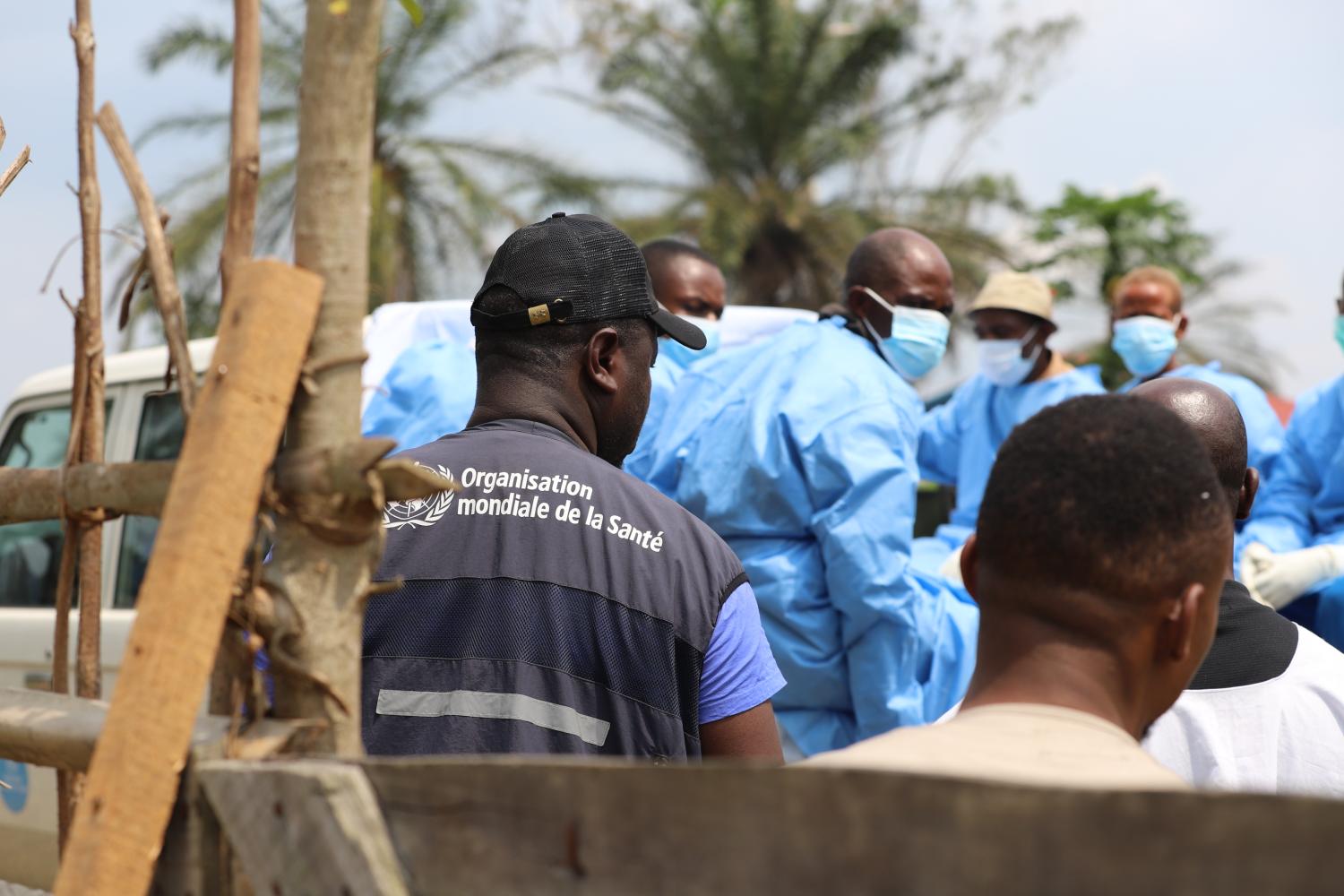
“Response activities are ongoing in affected areas in the DRC and Uganda. Health authorities in the affected countries, with support from partners, have activated public health emergency measures, including enhanced surveillance, laboratory testing, infection prevention and control (IPC), case management, contact tracing and risk communication activities.”
The NCDC said it has heightened surveillance systems for Ebola and other epidemic-prone diseases. It added that the following measures are being actively implemented: intensified event-based surveillance and monitoring, sustained coordination with states and relevant stakeholders.
Others are support for laboratory and diagnostic readiness, reinforcement of infection prevention and control awareness within healthcare settings, strengthened risk communication and community engagement activities, as well as close monitoring of global and regional developments.
The NCDC further advised healthcare workers to maintain a high index of suspicion for EVD in patients presenting with compatible symptoms and relevant travel or exposure history.
“All healthcare workers should continue to adhere strictly to standard precautions and infection prevention and control measures, including early identification and isolation of suspected cases, appropriate use of Personal Protective Equipment (PPE), hand hygiene and prompt reporting of suspected cases through established channels,” the agency stated.
The World Health Organisation (WHO) has also declared Ebola a public health emergency, citing nearly 100 deaths recorded so far in affected communities in the DRC and Uganda.