Follow Us on Google
The Nigeria Customs Service is pivoting from reform talk to enforcement action.
To this end, it has unveiled plans for a strategic integrity risk audit as part of a deeper alliance with the World Customs Organisation (WCO).
The Service said its renewed engagement under the WCO’s Anti-Corruption and Integrity Promotion (A-CIP) Programme will focus on identifying and sealing corruption vulnerabilities across operations, especially as trade volumes and automation expand.
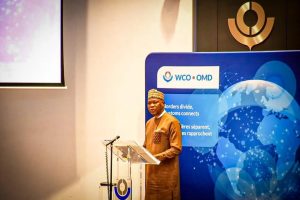
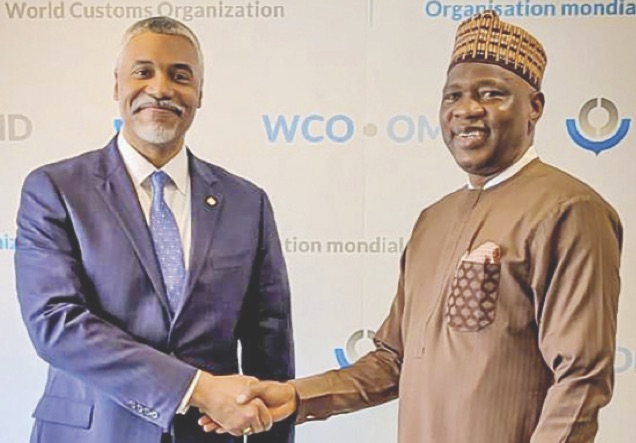
The shift follows a high-level meeting at the WCO headquarters in Brussels on March 23, 2026, during a working visit by Comptroller-General of Customs, Adewale Adeniyi, who also chairs the WCO Council.
According to Customs National Public Relations Officer, Abdullahi Maiwada, the session allowed the A-CIP team to brief Adeniyi on progress made so far and outline the next phase of reforms.

Other News
Discussions centred on integrity-focused capacity building, new standard operating procedures, and a comprehensive integrity risk assessment exercise scheduled for 2026, seen as a critical step toward plugging systemic leakages.
The A-CIP team also mapped out its Phase II strategy (2026–2030), with emphasis on embedding anti-corruption safeguards into automated customs systems, trade facilitation platforms, and revenue collection processes.
In a notable endorsement, the team commended the NCS for participating in the WCO integrity survey and approving the publication of its results, describing the move as “a strong institutional commitment to transparency and accountability.”
Maiwada said the survey’s positive feedback reflects ongoing internal reforms, including improved valuation review systems, enhanced post-clearance audits, and the rollout of the Voluntary Disclosure Framework under the Nigeria Customs Service Act 2023.
Responding, Adeniyi welcomed the collaboration, stating that the Service is determined to sustain momentum.
He said the partnership remains central to repositioning customs as a credible, transparent institution in global trade.
“Both parties acknowledged that institutional integrity remains a critical pillar for building public trust and enhancing the credibility of customs administrations, particularly in an increasingly complex global trade environment,” Maiwada said.
As part of next steps, both sides agreed to publish the integrity survey results, establish and train a dedicated implementation working group, and embed recommendations into daily customs operations.
Adeniyi also held a separate strategic meeting with WCO Secretary-General Ian Saunders and senior officials, where updates on the Policy Commission and Council activities were exchanged, signalling Nigeria’s growing influence in shaping global customs standards.