Follow Us on Google
Nigeria’s ranking among top 30 countries burdened by Tuberculosis, TB-HIV co-infection, with the highest global malaria cases and second highest HIV/AIDS burden, has made community-driven intervention critical to addressing systemic gaps in healthcare delivery.
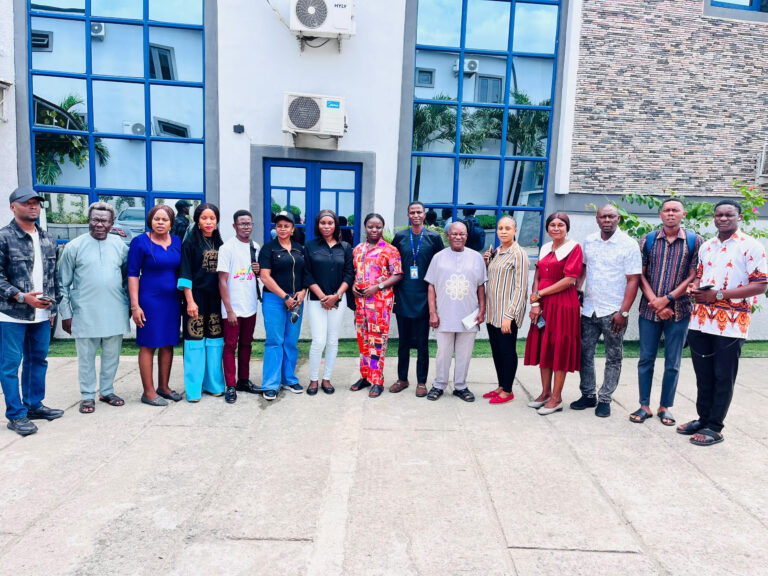
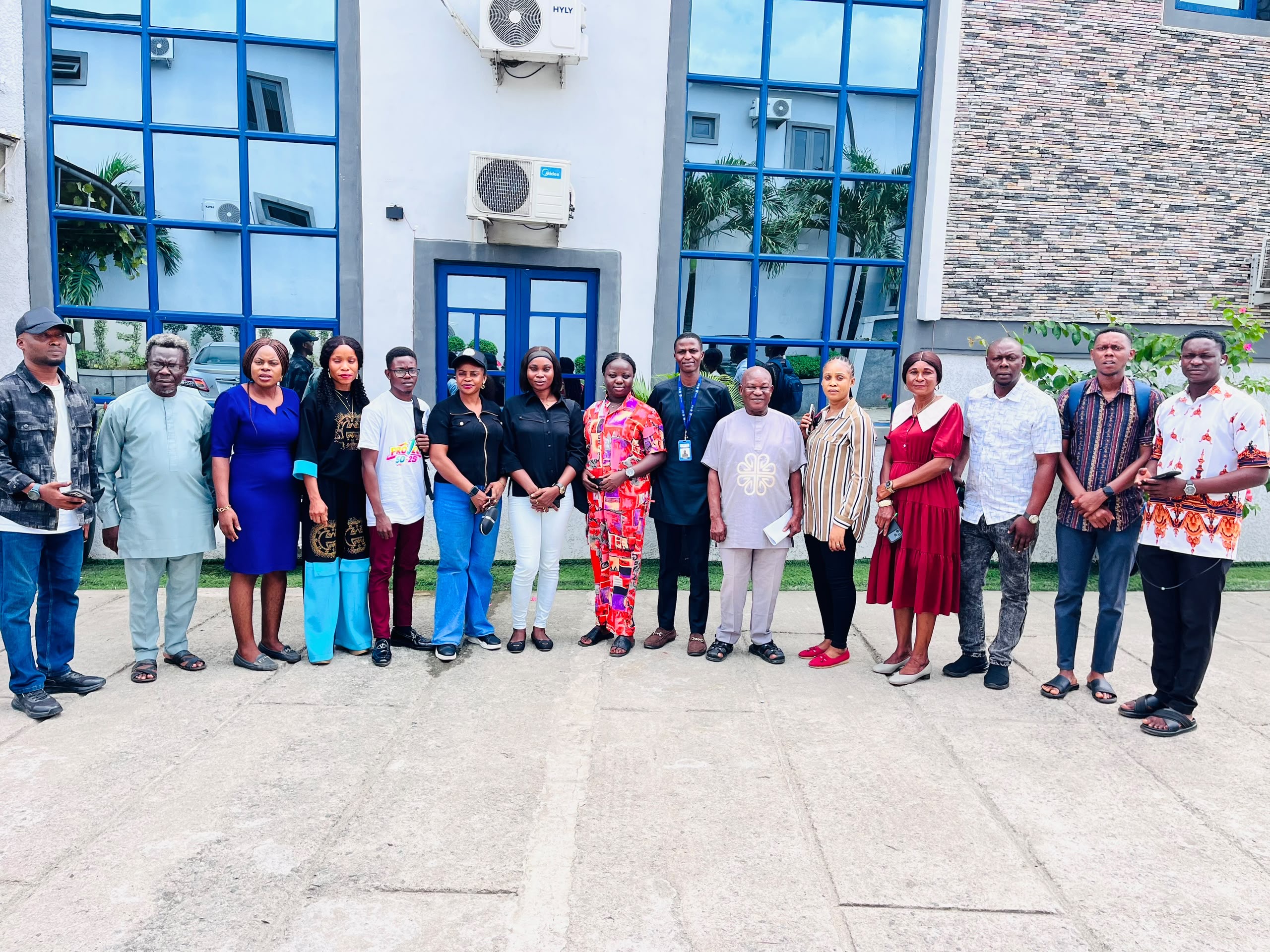
This was the thrust of the 2026 Integrated Community-Led Monitoring, I-CLM, Success Stories and Impact Report presented in Port Harcourt, Rivers State, on Wednesday, by Mr. John Ihua Maduenyi, State Coordinator, Civil Society for Malaria Elimination, Immunisation and Nutrition, ACOMIN.
Maduenyi said co-infection of malaria, TB and HIV exacerbates severity and transmission risk, while socio-economic factors such as poverty, poor access to facilities and out-of-pocket expenses continue to discourage care-seeking, especially among vulnerable populations.
He explained that the ATM Networks are collaborating with the Institute of Human Virology, IHVN, as Principal Recipient on the Global Fund ICLM Grant Circle 7 Grant, with funding under the COVID-19 Response Mechanism, to address health system gaps and enhance sustainable outcomes through community and Civil Society Organisations, CSOs, participation.
According to him, the ATM Networks are using the Community-Led Monitoring approach to engage stakeholders to take ownership of interventions on HIV/AIDS, Malaria and Tuberculosis by identifying gaps hindering effective service delivery, jointly prioritising needs and advocating for improvements.
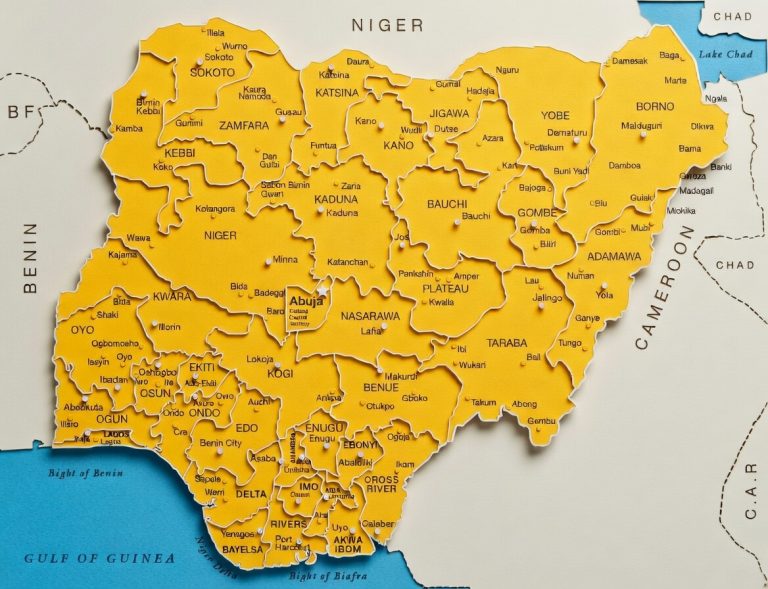
He said implementation covers 105 LGAs, 315 wards and 315 health facilities across 21 states, including Rivers, Ogun, Delta, Ekiti, Lagos, Cross River, FCT, Edo, Anambra, Kaduna, Kano, Jigawa, Nasarawa, Plateau, Kwara, Ondo, Oyo, Bauchi, Gombe and Sokoto, divided among TB Network, 11 states; ACOMIN, 13 states and Network of People Living With HIV/AIDS in Nigeria, NEPWHAN, 13 states, for effective coordination.
Giving scorecard for Rivers State between November 2025 and September 2026, Maduenyi said the initiative recorded significant successes.
He listed improved TB service delivery following provision of weighing scale on September 16, 2026, which eliminated need for clients to visit OPD for weight measurement before medication refills.
He also cited improved health data quality after community-led monitoring identified incomplete registers and documentation gaps in HIV, TB and malaria services, leading to a data-quality step-down session by the CBO programme officer with the Health Information Officer.
Other gains, he said, include restoration of electricity at a health facility through advocacy involving Ward 11 Councillor, and strengthened TB coordination with engagement of a TB Directly Observed Treatment focal person to coordinate activities and support client follow-up.
Maduenyi said expanded access to integrated healthcare was achieved through outreaches across 12 communities in Port Harcourt, Ogba/Egbema/Ndoni and Obio/Akpor LGAs between February and September 2026, reaching 1,187 community members, identifying two HIV-positive clients referred for treatment, 144 TB presumptive cases sent for diagnostic assessment, and providing malaria tests and treatment. He said the outreaches were supported by Dawn of Life Initiative.
He added that advocacy identified lack of National Identification Numbers, NIN, as barrier to Rivers Contributory Health Insurance Programme, RIVCHIPP, enrolment in Aggah and Erema communities in ONELGA, prompting RIVCHIPP’s commitment to register community members, and called on the LGA Chairman to collaborate on enrolment.
In their contributions, Mrs. Blessing Chigozim, State Coordinator, NEPWHAN, and Panti Albert, Programme Officer, IHVN, stressed need for continuous training, retraining and capacity building for health workers, improved staff accountability and collaboration between networks and government to prevent service gaps.
The stakeholders urged extension of National Health Insurance to poor and vulnerable, proper funding of primary healthcare, sustained communication and education, adequate resource commitment and active community support for PHCs.
They also called for concerted action against Gender-Based Violence in all its forms.