Follow Us on Google

From Mohammed Abubakar, Dutse
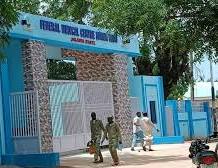
Deputy Head of Clinical Services at the Federal Medical Centre (FMC), Birnin Kudu, Jigawa State, Dr. Yunus Mohammed Eze, has opined that it will be difficult for Nigeria to manage the migration of practicing medical personnel to other parts of the globe in search of greener pastures.
Describing the Japa syndrome as difficult to manage, the expert attributed the development to the high level of inflation being experienced in the country, among other factors.
“The syndrome is not peculiar to the health sector alone, it is a global phenomenon as the health care personnel who operates here is privileged to know what’s happening in other climes. Let’s take the Middle East as an example; a consultant who’s receiving an equivalent of N12 million monthly as salary, whereas his counterpart in Nigeria may be receiving like N1 million monthly.
“Going by such statistics, if what a worker earns elsewhere in one month is what a Nigerian medical worker earns in 12 months, if you’re in the position of that health worker, what would you do? The issue now is that the federal government may not be in the position to pay the healthcare workers the salaries they receive outside the country.”
The way forward, he said, is to ensure that universities and other healthcare training institutions are strengthened, “so that, as people Japa, we produce more people to manage our healthcare sector. We also encourage the federal government to do this so that the healthcare sector in Nigeria does not suffer.”
“In addition, the government should do a lot more in guaranteeing the security of the country,” he said, noting that, as a result of the prevailing insecurity, most Nigerian health professionals are not willing to come back and invest.
“In other words, while I’ll encourage our institutions that produce healthcare personnel, I believe the government should do more in enhancing security in the country so that we can achieve progress in the sector.”
Highlighting recent achievements recorded by the centre, he said the centre had complied with federal government’s directive, strengthened its isolation unit and put emergency response measures in place to manage any suspected case of Ebola Virus Disease (EVD), following directives from the Federal Ministry of Health.
Noting that the hospital had received instructions to prepare its isolation facilities and ensure the availability of necessary protective equipment and medical supplies to respond to any possible outbreak.
Eze, however, said the hospital had not recorded any case of Ebola, either within the facility or in Jigawa state.
He explained that following the federal government’s directive, the hospital management immediately strengthened its isolation unit and put its healthcare personnel on alert to ensure prompt identification and isolation of suspected cases.
According to him, the facility is also prepared to refer suspected or confirmed cases to designated centres whenever necessary.
He said: “The Federal Government, through the Ministry of Health, communicated with health facilities across the country and directed them to prepare their isolation units and ensure that everything required to protect healthcare workers and manage affected patients was available.
Other News
“We received the directive, and the management immediately swung into action. Our isolation unit was strengthened, and we are prepared to isolate any suspected case and make referrals where necessary.”
On public awareness, Eze said the hospital had sustained health education campaigns through its Infectious Diseases Unit and Community Medicine Unit to sensitise residents about infectious diseases and preventive measures.
He disclosed that the hospital also collaborates with the Jigawa State Media Corporation to provide public health enlightenment programmes.
He added that healthcare professionals regularly educate patients and other visitors to the hospital, with the expectation that they would share the information with members of their communities.
On the outbreak of diphtheria in parts of the country, particularly Kano State, Eze expressed concern over the spread of the disease into Jigawa State.
He disclosed that FMC Birnin Kudu had identified four cases of diphtheria within the month, out of which three patients survived and were discharged, while one died.
According to him, the hospital admitted the affected patients into its isolation unit and provided the necessary supportive treatment.
He said surveillance had been strengthened, particularly among healthcare workers who attended to the affected patients, to ensure that any emerging symptoms were promptly reported and investigated.
“We have put surveillance measures in place to monitor those who provided care to the four identified cases so that if anyone develops symptoms, they can report early.
“Isolation and contact tracing are also important measures to ensure that the spread of diphtheria is curtailed within the hospital and surrounding communities,” he said.
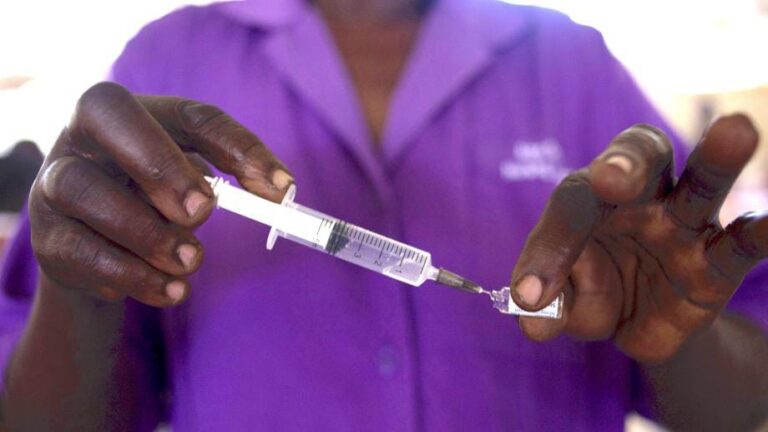
Eze advised parents to ensure that their children receive routine vaccinations, describing immunisation as one of the most effective ways of preventing diphtheria and reducing its complications.
He urged parents to take children to hospitals for proper medical evaluation whenever they develop symptoms of illness, regardless of how minor they might appear.
Eze advised residents to avoid overcrowded and congested environments and ensure adequate ventilation in their homes, particularly during the approaching harmattan season.
He said public response to health awareness campaigns had been encouraging, noting that increased understanding of the dangers of preventable diseases was helping to improve community participation in disease prevention.