Follow Us on Google
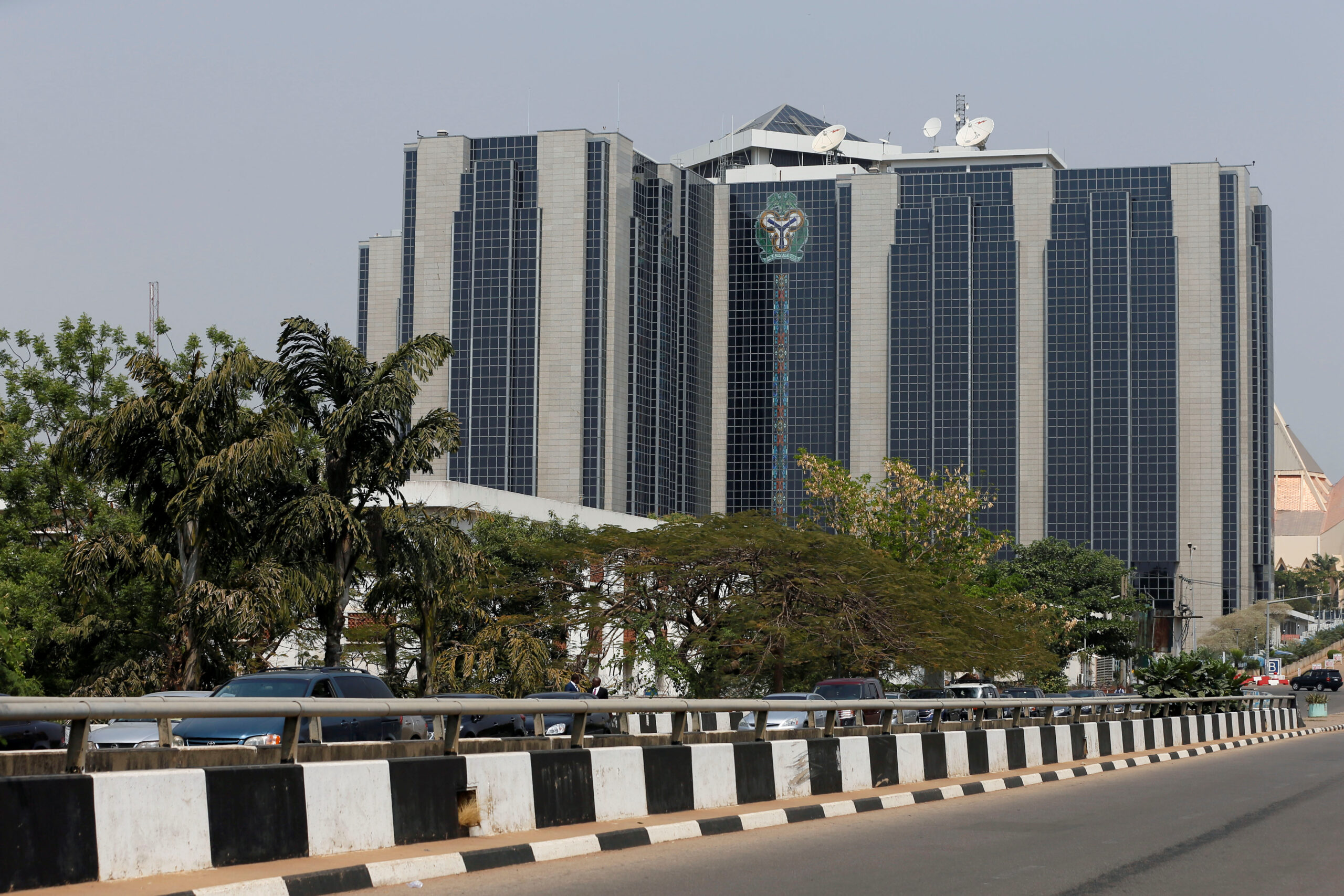
In line with relevant provisions of the anti-money laundering and terrorism financing prohibition Acts, the Central Bank of Nigeria (CBN), last week, issued new guidelines that will henceforth require banks and other financial institutions to deploy automated systems to detect and report suspicious transactions. In the circular framework, titled “Baseline Standards for Automated Anti-money Laundering (AML) Solutions,” the new guidelines set minimum technology and operational requirements that banks and all financial institutions must adopt for monitoring customers’ transactions considered as high risk and identify financial activities linked to crime.
The CBN has given Deposit Money Banks 18 months to fully comply with the new baseline standards, while other financial institutions have a 24 months deadline, effective March 10, 2026, to meet the requirements. Under the new guidelines, financial institutions are also expected to deploy technology-driven systems capable of generating alerts not only when suspicious transactions are detected but the systems will be expected to support customer identification and verification as part of ‘know-your-customer’ process. In addition, the new standards are designed to ensure consistency, efficiency in how financial institutions deploy automated tools to detect suspicious activities and comply with regulatory obligations.
The move is a commendable, bold policy initiative. Banking sector overhaul will drive economic resilience. It has become necessary, especially at this time that illicit financial flows across the globe threaten world economy, particu;arly economies of developing and emerging markets, with Nigeria is one of them. In recent times, money laundering activities through banks financing and other financial institutions have been on the increase. As the CBN circular noted, the new standards have become expedient as financial transactions continue to grow rapidly across digital channels. This makes it difficult for manual monitoring to detect complex financial crimes.
The CBN derives its power to issue the new anti-money laundering and combating the financing of terrorism (CFT) guidelines from a combination of the CBN Act 2007, the Banks and Other Financial Institutions Act (BoFIA) 2020, and the Money Laundering (Prevention & Prohibition) Act 2022. While the CBN Act 2007 provides the foundational authority to regulate the financial system, specific, and detailed powers to issue anti-money laundering regulations and guidelines come from subsidiary legislations.
For example, Section 2(d) of the CBN Act 2007 empowers the apex bank to promote a sound financial system. The General Regulatory Act also enables the CBN to ensure monetary stability and maintain the integrity of the financial system, which includes curbing illicit financial flows.
Other News
Besides, Section 66 of (BoFIA 2020) explicitly mandates financial institutions to comply with Anti-money Laundering and Combating Financial Terrorism obligations under the CBN law. This empowers the CBN Governor to, when necessary, issue regulations, guidelines and policies to combat money laundering and terrorism financing. In that regard, the Money Laundering Prevention and Prohibition Act 2022 designates the CBN as a regulatory authority responsible for enforcing these measures within the financial sector. Apart from setting the guidelines, they must be effectively and efficiently enforced by the relevant supervisory authorities and security agencies.
Beyond that, banks and other financial institutions must carry background checks on their staff. Very often, financial crimes happen with the aid of insider collaboration. With the financing sector now technology-driven, it is important to block the loopholes that enable much high-risk crimes to thrive. This is because technology can be compromised. It is not foolproof.
If these guidelines are strictly enforced, it is very likely that automated solutions will help financial institutions to analyze quickly large volumes of transactions and identify unusual patterns that may indicate money laundering or terrorism financing. Any concrete policy that will strengthen and align Nigeria’s financial institutions comply with global anti-money laundering practices is welcome.
The global practices are principally aimed at ensuring uniformity, efficiency, and regulatory compliance in checking money laundering and terrorism financing across financial institutions. It is a welcome development that under the new framework, the CBN has mandated a regular risk management assessment of banks and other financial institutions that classify customers according to their potential exposure to financial crime risks. Also, the new guidelines stipulate that banks should screen customers against sanctions list and monitor transactions involving “politically exposed persons.” It is also crucial that the automated systems should monitor financial transactions in real-time and flag unusual patterns that may require further investigations by compliance officers.
Moreover, where suspicious activities or transactions are identified, the system must generate reports that can be reviewed internally and submitted to the relevant regulatory and law enforcement authorities, where necessary. It is also vital that banks and other financial services sector should always ensure that their anti-money laundering systems integrate with other key platforms within their operations. Such measures should ensure that every relevant customer information and transaction data are readily available for monitoring. We urge the CBN and relevant security agencies to watch Fintech providers that are offering digital payments, lending, neo-banking and investments. There have been allegations that some of these technology-driven payment platforms have become veritable conduits for illicit financial transactions.