Follow Us on Google
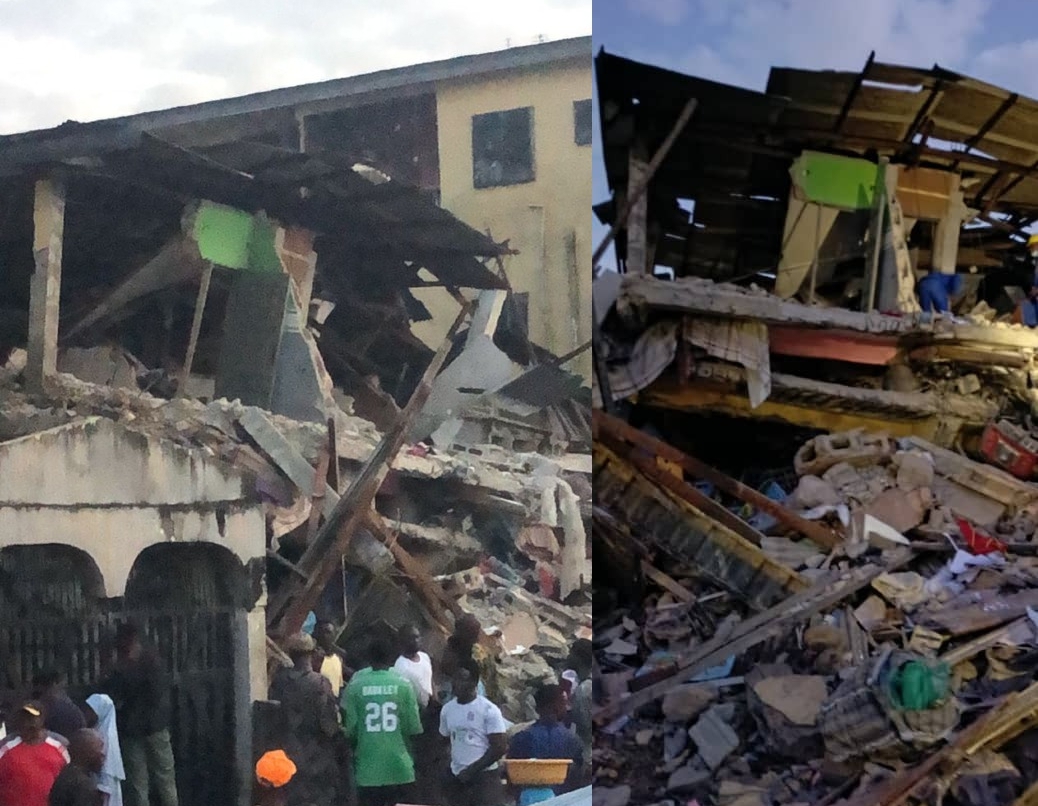
In a damning report, the Minister of Housing and Urban Development, Dr. Muttaqha Darma, has revealed that Nigeria has recorded over 650 cases of building collapse and more than 1,600 deaths since 1974. The minister, who disclosed this in Abuja on Tuesday, during a stakeholders’ validation workshop on the National Housing Data Programme and the Regulation of the Built Environment, described the statistics as tragic, stressing that the figures represented lives lost and families devastated rather than mere numbers.
The minister lamented that “almost every one of those buildings had a designer, a builder and an approving officer. In most cases, nobody was delicensed and nobody was punished.” Darma also stated that the Federal Government had proposed a National Built Environment Regulation Policy to strengthen oversight in the sector, explaining that the policy would enforce the licensing of developers and agents as well as improve construction standards and ensure professional registration. According to the report, the government would also establish a National Housing Industry Regulatory Commission to enforce compliance across the sector.
Last year, the Building Collapse Prevention Guild Report showed that 47 building collapses were recorded across 14 states in the country in 2024. The report also indicated that building collapse rose to 640 cases from October 1974 to January 9, 2025. The details of the report showed that Lagos State led with 13 incidents. It was followed by Abuja with six, Anambra with five and Kano and Rivers with four each. While Jigawa and Plateau recorded three each, Osun and Delta had two, respectively. Also, Niger, Abia, Edo, Oyo and Ebonyi recorded one incident each.
In 2020, Nigeria recorded 62 cases of building collapse, with Lagos having the highest number of 20 incidents. The nation also recorded 52 collapses in 2023 and Lagos had 17. Nigeria’s first recorded building collapse occurred in October 1974 in Oyo State and killed 27 people. The tallest building collapse in the country occurred in Lagos on November 1, 2021, and killed 52 people. Lagos State recorded the highest number of building collapses with 351 cases in the last 50 years.
In a country with a high volume of housing deficit, it is tragic and unacceptable that Nigeria recorded 650 cases of building collapse in the last 52 years with human loss put at 1,600. The statistics could be higher than the official figures considering that some cases might have been unreported. Although the federal government has pegged the nation’s housing deficit at 15 million units, other stakeholders project the deficit to be about 28 million units.
It has been projected that Nigeria must construct about 550,000 to 700,000 new housing units per year to catch up with demographic demands. The government has also admitted that Nigeria’s housing sector has been challenged by fragmented data systems, inadequate coordination among institutions and weak regulatory enforcement.
Other News
The Federal Government has come up with some measures to curb incessant building collapses in the country. The proposed federal rules add escrow accounts for buyer funds and mandatory licenses for estate developers to stop fraud and project abandonment. It has also integrated the construction sector into its climate action plan to encourage low-carbon materials and energy-efficient designs.
On its part, Lagos State government has come up with the Lagos State Building Insurance Scheme. The compulsory scheme will protect life and property. Governor Babajide Sanwo-Olu explained that the initiative was aimed at strengthening building safety, promoting accountability in the construction sector and ensuring a safe, responsible and globally competitive city.
The causes of incessant building collapse are varied. It has been identified that the major cause of building collapse in the country is the use of substandard materials, poor structural design and weak regulatory enforcement. Specifically, some building collapses have been traced to the use of weak steel reinforcement bars, low-quality cement and poor concrete mix ratios.
Others have been caused by deployment of untrained or quack contractors instead of certified engineers and registered architects. In addition, skipping proper soil tests and building on waterlogged or swampy ground without deep pile foundations could cause building collapse.
To holistically address the rising cases of building collapse, we urge the federal and state governments to strictly enforce the extant building codes. They can come up with new laws and regulations to curb collapses in the building sector. We call on state development control agencies to monitor building sites and ensure that all violations are sanctioned adequately.
Above all, weak enforcement of building codes might have contributed a lot to the rising cases of building collapse across the country. Let those in charge of this department in the built environment address the weakness forthwith.