Follow Us on Google
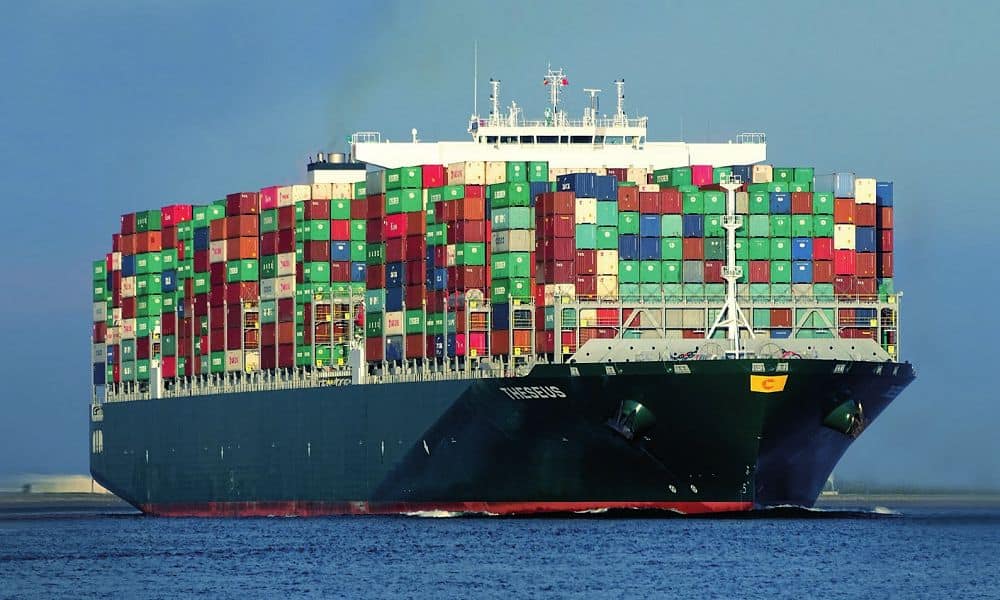
With a value of over $6.4 trillion and an estimated annual revenue haul of over N1.6 trillion, the maritime sector is very crucial to Nigeria’s economic growth. However, the maritime sector’s huge potential may be at risk, with reports that the United States, Russia and other countries are intensifying plans to position neighbouring West African country, Togo, as their preferred maritime hub. Already, significant volumes of cargo bound for Nigerian ports have reportedly been diverted to the ports of Lome in Togo, Cotonou in Benin Republic and Tema in Ghana. Besides, many Nigerian importers are reportedly bypassing the local ports, opting instead to ports in these neighbouring West African countries due to excessive import duties, sundry taxes, and increasing cost of doing business at Nigerian ports.
In recent years, the increase in the volume of trade between Asia and West African countries has seen the Lome port in Togo transformed into a key regional destination. The American preference for the Togo port received a boost a few weeks ago, when a top US Embassy official in Lome conducted a tour of the port facility and pledged to expand the US/African market access through the Lome port. Russian is equally eyeing Togo as its preferred maritime hub in West Africa, with talks between the two countries at advanced stage.
The development should is a wake-up call on the Nigerian maritime authorities to address the challenge of the maritime sector and improve the ease of doing business at our ports. According to the data from the International Ocean Institute, Nigeria currently ranks among the lowest African countries on the global maritime tourism index. Also, figures from the World Trade Organisation(WTO) show that Nigeria’s contribution to world trade is at its all-time low of 0.33 per cent, despite abundant coastal assets and natural endowments in Nigeria.
Other News
The emerging Marine and Blue Economy framework could play a pivotal role in driving economic diversification and reduce Nigeria’s dependence on oil. But, this requires coordinated effort, strategic investments in infrastructure, strong regulatory framework, and active stakeholders’ participation that can transform Nigeria’s maritime sector into a regional hub. Nigeria’s shipping and maritime sector remains largely under-utilised despite their enormous potential. If properly regulated and the multiple challenges addressed, Nigeria would become a formidable player in global maritime trade. Nigeria can generate over $40 billion annually from the maritime sector if the sector is fully automated. According to the Nigerian Institute of Marine Engineers and Naval Architects, the federal government should urgently address the problems facing the maritime industry or play a second fiddle to neighbouring West African countries.
Unfortunately, the maritime sector is currently underperforming due to poor regulatory framework and weak enforcement mechanism. This has also led to huge revenue losses in the economy in spite of the fact that the maritime industry accounts for over 90 per cent of global trade. Strategically located along the Atlantic Ocean and equipped with multiple deep-sea ports, Nigeria is yet to maximise the vast potential and opportunities that neighbouring countries like Togo, Benin Republic and Ghana are leveraging on due to the inefficiency and sleaze at Nigerian ports. According to available data, this has cost Nigeria about N20billion daily and N7.8trillionn annually at the Apapa Wharf, Lagos. Therefore, the federal government should use the maritime sector to deepen the economy and create more jobs.
Addressing the systemic challenges of the sector must be prioritized. We need of modern port infrastructure, including ports terminals and cargo handling equipment. Substantial investment is also required to modernise maritime infrastructure. A robust and well-enforced regulatory environment is vital to attracting international investments that will position Nigeria in the global shipping space. To compete with international maritime hubs like Singapore, Dubai and Rotterdam, Nigeria needs to invest much more in technology and security. This should focus primarily on expansion with state-of-the-art equipment. In addition, multi-model connectivity is essential to link Nigerian ports for easy transportation of cargoes. The government must invest in shipbuilding, dredging and marine logistics to reduce Nigeria’s over-reliance on foreign vessels. Going forward, maritime development should be prioritised in national economic planning. Prompt clearing of goods is essential. The era of multiple taxes as in the ports should be over. Procedures for clearing goods must be streamlined. It is time to fast- track all the necessary procedures to make our ports and domestic market attractive to other countries and investors. Sadly, foreign investors have sold off equities worth N576billion in the Nigerian Stock Exchange (NSE) between January and June 2025. This calls for concern and the need to strengthen critical sectors of the economy, including the maritime and tourism industry.