Follow Us on Google
From Fred Ezeh, Abuja
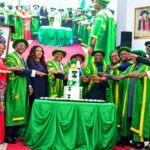
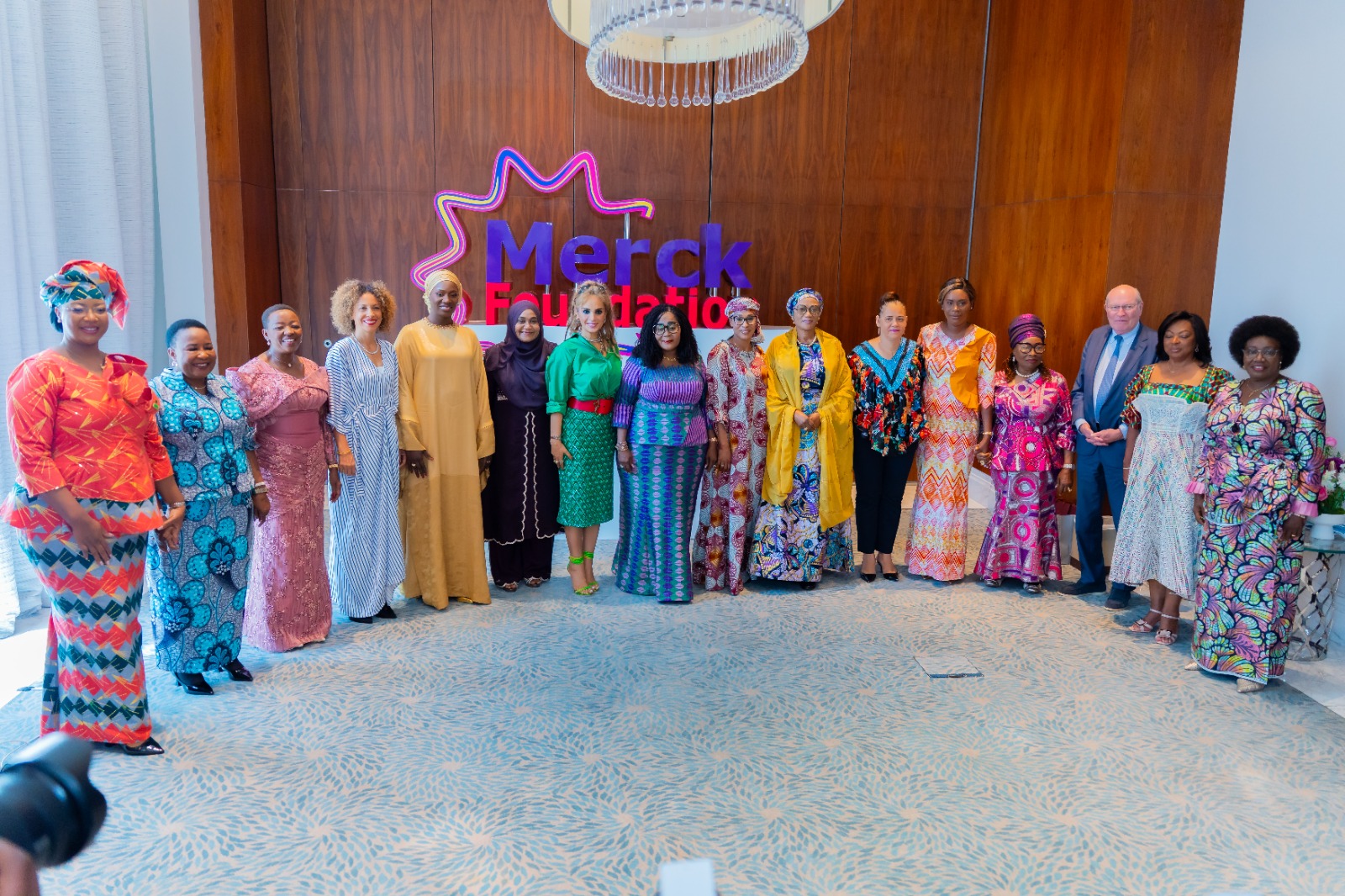
Merck Foundation, the philanthropic arm of Merck KGaA Germany and African First Ladies have joined forces to tackle the growing cases of cancer in the continent and beyond.
The parties renewed the commitment as a part the activities to mark this year’s World
Cancer Day on the theme “United by Unique” which is about placing people at the centre of cancer care.
The Chief Executive Officer of Merck Foundation, Senator, Dr. Rasha Kelej, in a message, said the event presented another great opportunity to draw global attention and world leaders to the menace of cancer, and avoidable deaths that are recorded.
She noted that nearly two-thirds of cancer cases can be successfully treated when diagnosed early, and up to one-third can be prevented by reducing key risk factors, hence asking that the people should act early, get screened, and choose prevention.
She appreciated the extraordinary work being done at Merck Foundation in partnership with Africa’s First Ladies to revolutionize cancer care across the continent. “Working hand-in-hand with these remarkable leaders ensure our programmes have the support, visibility, and sustainability they need to truly make a difference.
“Through our efforts, we have provided 258 oncology scholarships out of 2,500 total scholarships across 44 critical medical specialties, reaching 34 countries. But behind every number is a human story; a young doctor empowered with knowledge and skills to save lives in their own country, a patient who no longer have to travel abroad for treatment.
“Together, we have trained the first-ever oncologists in countries like The Gambia, Sierra Leone, Burundi, Liberia, Guinea Conakry, Central African Republic, Chad, and Niger- creating homegrown cancer care capacity that will benefit generations to come.
Other News
“I am especially proud of our ‘Ray of Hope’ storybook which is helping children, families, and communities understand that prevention and early detection can save lives. These small but powerful steps are shaping a culture of awareness and hope.
“Everyday, I am reminded that with the right partnerships, dedication, and compassion, we can close gaps in care and build a legacy of equitable, accessible cancer care for all Africans.”
Meanwhile, the WHO Regional Director for Africa, Dr. Mohamed Janabi, in a statement also confirmed that cancer is no longer a silent crisis in Africa, but a growing public health emergency that demands urgent, equitable and sustained action.
He joined governments, partners and communities across the continent to reaffirm a clear commitment that cancer can be prevented, detected earlier and treated more effectively, and every life saved matters.
He further noted that in the WHO African Region, cancer is becoming one of the leading causes of premature death. “Each year, more than 1 million new cases are diagnosed, and nearly 1 million people lose their lives to the disease. Behind these numbers are mothers, fathers, children and young people whose lives are cut short not because solutions do not exist, but because access to those solutions remains unequal.
“Hence, cancer is not only a health issue. It is also a development challenge. It strains families, weakens health systems and undermines economic progress. The burden falls disproportionately on those with the least access to early detection, timely treatment and financial protection,” he noted.