Follow Us on Google

By Vivian Onyebukwa
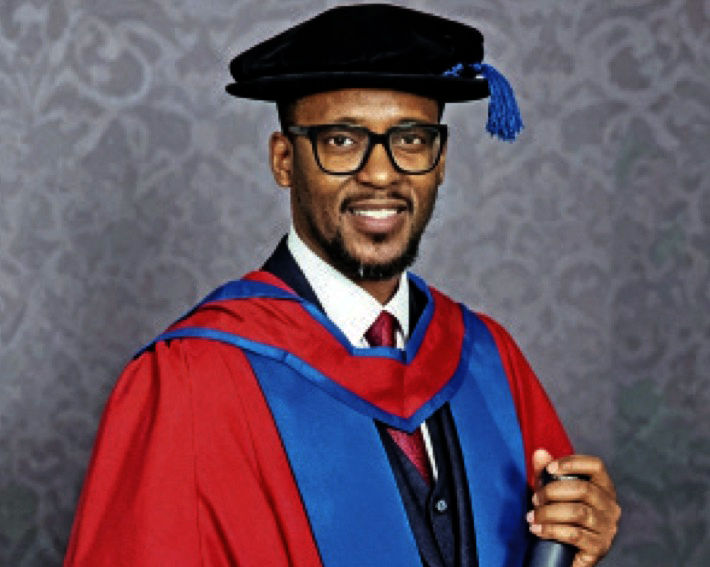
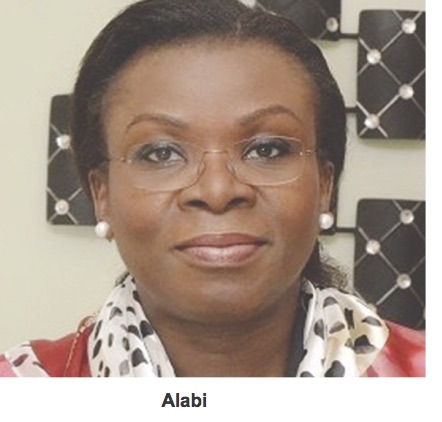
Boma Alabi, Senior Advocate of Nigeria (SAN) and former president of the Commonwealth Lawyers’ Association, is also the founding partner, Primeral African Legal.
In this interview with Daily Sun, she talked about the low level of women’s participation in politics during the just concluded 2023 general election and the need for political parties to effectively have a quota system to get more women involved in politics.
She also x-rayed the challenges of women lawyers and the way out.
How would you assess women’s political participation in the just concluded elections?
Political participation by women in the 2023 general election has not improved at all. If you look across the board in the positions and results that have so far been announced, which is practically all of it, you will see that it is predominantly, almost exclusively, male. We have one brave woman who is clearly beloved of her people. I have been following her political journey and that is Aisha Binani, as they call her, and she is charting a pathway in uncharted territory and particularly for me. It gladdens me that she is from the northern part of the country, where these customary and religious restrictions are even more. I wish her well, I wish there were more women in the space. I want to advocate for the political parties to effectively have a quota system to get more women on board, because there will be more of a balance, there will be less violence. You will find that our politics will be far more civil when more women are involved.
What is the best approach to end every form of political bias, prejudice and injustice against women in Nigeria, which has been lingering and endemic to the country?
I believe that the Nigerian constitution is largely fair to both men and women because our human rights are guaranteed in that constitution and, as a matter of fact, our judiciary has used the Nigerian constitution to upturn harmful traditional practices that are discriminatory against women.
Take, for instance, the Supreme Court judgment that was given saying that the women should have equal rights of inheritance, unlike what was obtainable in the past, with harmful traditional practices. What is causing the bias is really customs and our beliefs, which need to change. We really have to educate ourselves to understand that gender discrimination is bad and should not have a place in our culture.
Political norms and the way they practice politics here are not friendly for women’s participation because of the fact that, in our society and our culture and most cultures, women are the primary caregivers for elderly relatives, children and so many other dependents who require care and, therefore, meeting at night to hold late-night political meetings would naturally be difficult for a person in that position.
Also, the cultural bias where a woman who is out and about at that time of the night is seen as somebody who is immoral also inhibits women’s participation in politics. We need to educate ourselves. We need to understand these cultural biases and confront them, call them out wherever we see them, in order to get mindsets to change and get more inclusive in society.
In addition to that, I actually advocate that we allocate quotas to enhance equality, as they have done in Rwanda, and we have all seen it working. It is almost 50/50 women’s participation in the political space in Rwanda. I think we can advocate that and actually try it out in order to bring that level of participation in our politics.
You are a former president of the Commonwealth Lawyers’ Association and founding partner of Primeral African Legal. How were you able to succeed despite the entrenched prejudices against women in Nigeria? What is your advice to young female lawyers?
My advice to young female lawyers is that they should not allow anybody to put them in a gender box in their work space. What a man can do, a woman can do. You are a lawyer, not a female lawyer per se, First and foremost, you are a human being. Your gender should have no place in your work space. Therefore, work as hard, be diligent in your work. If you see sexual discrimination, call it out and do not tolerate it, demand equal opportunities for yourself and, when you get the opportunity, be professional and you will get to the top of your profession.
What is the way forward in some other challenges facing women in the legal profession?
Of course, there are challenges facing women in the legal profession, like women in any other profession, business or calling. Mostly, women are the ones who have to balance looking after the home, in addition to maintaining their work and trying to progress in their workplace. That is a common challenge across the board.
Our profession also requires a lot of travel, if you are an advocate. You may have a case in a court in Abeokuta today and have another case in Zamfara tomorrow.
Having to balance that with being a wife and a mother can sometimes be quite difficult, with our society and our cultural expectations.
Another challenge that women in the profession face, which is again across the board, is that women can sometimes be more vulnerable, which is in the area of personal security and protection. Some of the things that can assist women is, if there is more of a balance in responsibilities at home, there is a partner, a husband who understands that you are now a two income couple who both go out to work and, when we all return home from work, we should also be working together to look after the things in the house. That itself will be helpful.
The mindset of the society has to change. Stop judging and criticising women and trying to put them in a box. Accept that they are equal partners in the work space and not some lesser being. Embrace equality.
What do you think is the relevance of International Womenʼs Day celebration to Nigerian women?
International Women’s Day is indeed an annual event relevant to women all across the world, including women in Nigeria. And, certainly, not just to women but to everyone because women’s rights are human rights and the theme of this year’s celebration is “Bridging the Gender Digital Gap.”
Bridging the gender digital gap is very important. I do not subscribe to women being profiled and made to work in certain fields and not other fields. It is also part of this gender discrimination that we are advocating against that has become so entrenched.
In embracing equity, women should be given every opportunity to work in any area and any field they are interested in, and not socialised to believe that certain areas are meant for men and some for women, as in the past where it was said that women were not meant to be lawyers, engineers or motor mechanics. Particularly with the digital age, we don’t need to talk about physical strength anymore as it is all about mental ability. When it comes to mental ability, men and women are equal. I think it is a good topic that we really need to expand on and see how best to embrace equity in the way we work as men and women.
Would you say that women at the grassroots are carried along during the celebration, and what do you think should be done?
Women at the grassroots are not carried along as much as women who have access to communication tools like phones, social media space as well as electronic media like television, among others. The more access we have to communication tools, the more information we have and the more women are carried along. To that extent, sadly, I would say the women at the grassroots are not always carried along as much as they could be and should be.