Follow Us on Google
•Women now get more opportunities to excel as experts in different fields
By Agatha Emeadi
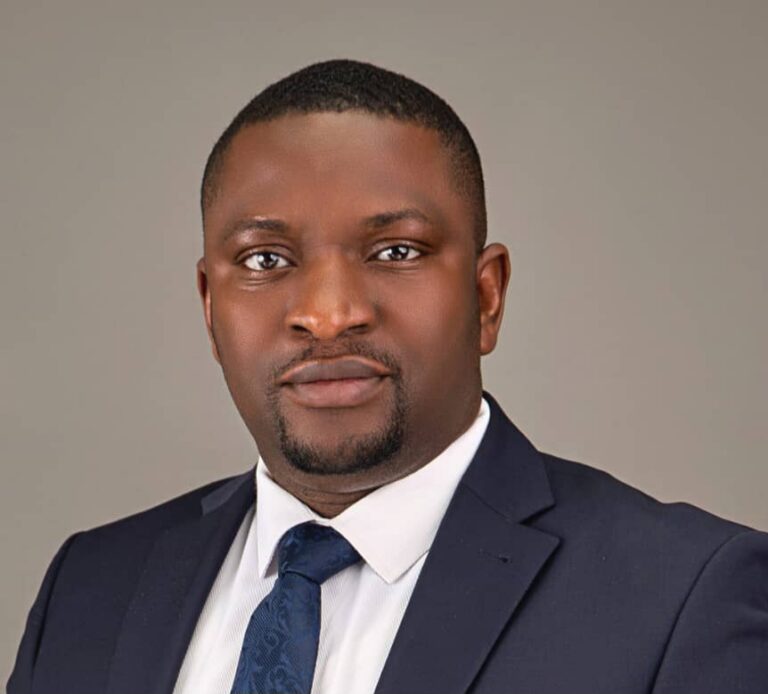
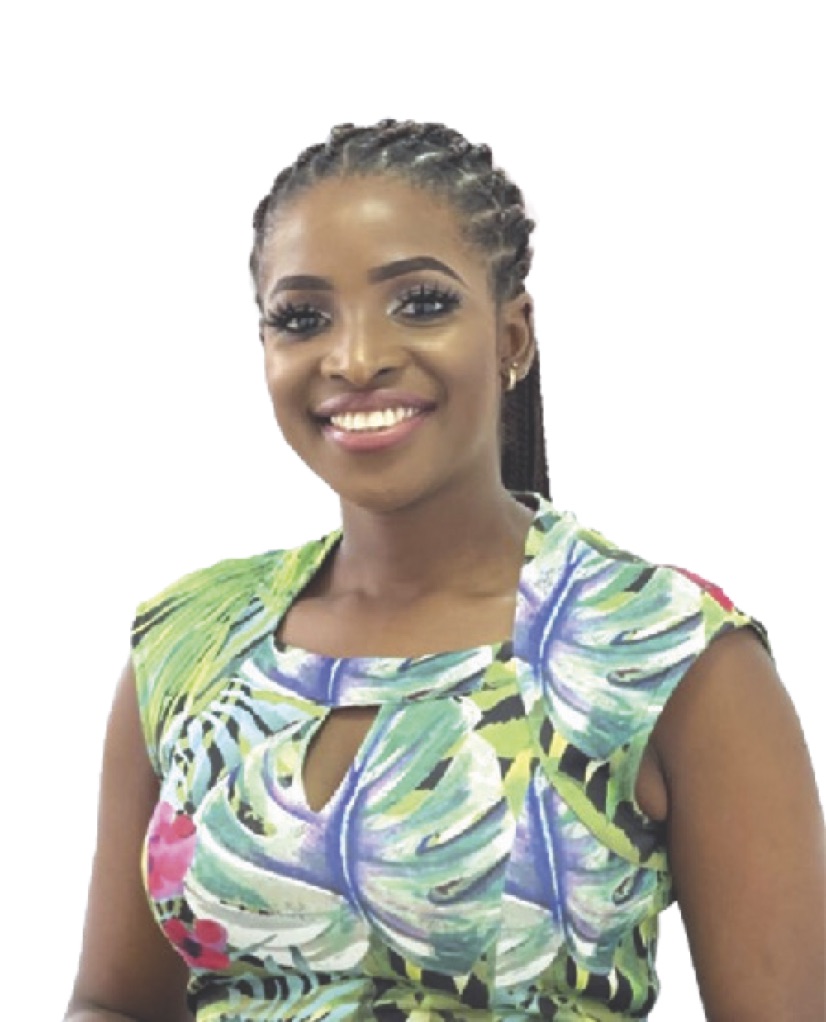
Nkechi Ogbonna has served as the West African correspondent, Senior reporter and interactive/data journalist with the British Broadcasting Corporation (BBC), delivering breaking news and reports across the TV, radio, text, video, podcast and digital platforms.
Ogbonna, is a seasoned and talented journalist with more than a decade of storytelling.
In an interview with Saturday Sun, Ogbonna explained more about herself and the organization she has served over the years, women in journalism and many more.
Can you tell us about your background? Did you always intend to work in the media?
I was born into the media, and I have always wanted to be a journalist. I studied journalism and never diverted into another field. I began as a volunteer at a local radio station in Jos, Plateau State, and later joined CNBC Africa, where I covered business news, something I initially knew nothing about. It allowed me gain newsroom experience and understand macroeconomic reporting across West Africa. Eventually, I joined the BBC, and I have spent 10 years telling African stories, especially within West Africa.
Where in Nigeria are you from?
I am Igbo from Imo State, but I consider myself a Nigerian. I was born in Calabar, grew up in Jos, studied in Port Harcourt, did my NYSC orientation in Kwara, served in Lagos, and lived in Lagos for most of my life. I speak about five Nigerian languages. I am truly Nigerian not defined by state of origin, but by experience and identity.
What would you consider your high points at the BBC?
It would be difficult to pick a single high point. I have spent eight years at the BBC, and every story has been unique because Africa itself is diverse. What has guided me throughout my journey is putting the audience at the centre of my work ensuring fairness, balance, accuracy, truth, and impartiality.
My greatest reward has been telling stories from underserved communities, stories that often go unreported and seeing the impact after they are broadcast. I have being able to use the BBC’s platform to amplify these voices. That has been the most fulfilling part of my career.
What are the key changes introduced to Focus on Africa, and why is the programme relocating from London to Nairobi?
The decision to relocate Focus on Africa from London to Nairobi is driven by the need to bring the programme closer to the people and the communities whose stories we tell. Focus on Africa is the BBC’s flagship programme about the continent, and broadcasting from within Africa simply makes sense. Nairobi was selected as the BBC’s regional hub, allowing the programme, its presenters, and the entire production team to work more closely with the communities at the heart of our storytelling.
Across Africa, about 120 million people consume BBC News content weekly, so this move helps us connect more meaningfully with our audience and involve them directly in the storytelling process.
What digital transformations has Focus on Africa undergone, and how are these changes improving audience engagement?
One of the major changes is the introduction of the Focus on Africa podcast. The programme has existed for over seven decades from radio to television and now we are expanding into digital audio, offering “radio on demand.” This allows audiences to listen whenever and however they prefer.
We are also introducing a visual version of the podcast on the BBC Africa YouTube channel. This will feature deeper analysis, feature stories, and “the news behind the headlines.” It forms part of our “digital-first” approach.
Additionally, we are building stronger social media communities. Listeners can share feedback, experiences, and perspectives, and this shapes our content and helps us focus on what truly matters to the audience.
Our storytelling format is also evolving. Beyond radio and TV, we now produce short, compressed digital versions of longer programmes. For example, a 15-minute programme may have a 90-second digital summary. This makes content more accessible and appealing to younger audiences many of whom fall under underserved categories. These changes are part of aligning the programme with Africa’s rapid digital expansion and growth trajectory.
In the past, Focus on Africa featured many well-known African broadcasters. Will African journalists still play a major role in the new Focus on Africa?
Absolutely. One constant thing in any newsroom is change, and the BBC embraces this in both storytelling and team composition. The new Focus on Africa team is highly dynamic and representative of the entire continent. We have journalists from East, West, North and Southern Africa including reporters, producers, and presenters. This diversity enriches the programme and ensures balanced representation. No region is left out, and no region dominates simply due to proximity. Each journalist brings experience, cultural knowledge, and deep understanding of the communities they cover.
We have had incredible talents in the past. Now, we are building a fresh blend of cultures, experience, and regional expertise, making the new Focus on Africa even richer and more representative.
Can you highlight the BBC’s investment in Africa or any particular region?
The BBC is one of the largest news organisations in the world, broadcasting in 42 languages and operating from over 64 cities across more than 50 countries. This scale alone demonstrates the level of investment.
In Africa, the BBC broadcasts in over 11 languages, with teams across different regions. The goal is to ensure access to information, amplify voices from local communities, and hold power to account even in countries where press freedom is challenged. For the fact that there is no price that can be placed on access to information; the BBC’s investment reflects its commitment to providing accurate news, elevating local stories, and ensuring that even underserved communities are heard.
How do you perceive the role of women in journalism, particularly in Africa, where many women feel marginalised within the profession?
I think this issue is probably region-specific. I am aware that many women are now taking up space and entering journalism because we have long seen the under-representation of women not just in journalism, but in banking, STEM, engineering, and many other fields. Women are increasingly being encouraged to step up, even in conservative societies where they were previously relegated.
This change is gradual. It will not happen overnight. But I believe progress is being made. With more women serving as role models and more women being given opportunities to excel as experts in their fields, the landscape is shifting.
For instance, at the BBC, we have the BBC 50:50 initiative. This means that if you are producing a story with four or six contributors, half of those voices must be women whether they are experts, community members, or commentary providers. This ensures equal representation in storytelling, news production, and content creation.
Traditionally, when looking for expert engineer, a climate specialist, an environmentalist, it has been easy to list five male names quickly. But we are now making deliberate efforts to engage more women experts, highlight their strengths, and showcase role models for young people aspiring to join those fields.
The same applies to journalism. We now have more women reporters, camera operators, field producers, and studio engineers on the job. For example, my studio engineer here is a woman. This shows the progress being made, and although it will take time, we can accelerate it by ensuring women feel supported and comfortable in the workplace.
BBC Focus on Africa is relocating from London to Nairobi. Many people wonder, why not Lagos, considering its status as a major African city?
African cities are unique for several reasons. Yes, Lagos is a cosmopolitan city, but Nairobi is as well. It is just as vibrant and beautiful as Lagos.
The BBC has chosen Nairobi as its regional hub on the continent, but this does not diminish the importance of our operations elsewhere. In Nigeria, for instance, we have two bureaus Abuja and Lagos. Across West Africa, we also have bureaus in Accra- Ghana, and Dakar- Senegal.
Africa is not just Lagos. The BBC has bureaus in Johannesburg (South Africa), Dar es Salaam (Tanzania), Addis Ababa (Ethiopia), and many other cities. So, I do not believe Lagos should be the only operational base. We can function effectively from various locations, and Nairobi has now been designated the regional hub.