Follow Us on Google
By Josfyn Uba
November 20 is set aside every year to mark the World Children’s Day. It is UNICEF’s global day of action for children, by children, marking the adoption of the Convention on the Rights of the Child. Essentially, the day is observed annually to promote children’s rights and welfare. Recently, Nigeria joined the rest of the world to celebrate this year’s edition of the World Children’s Day with different activities.
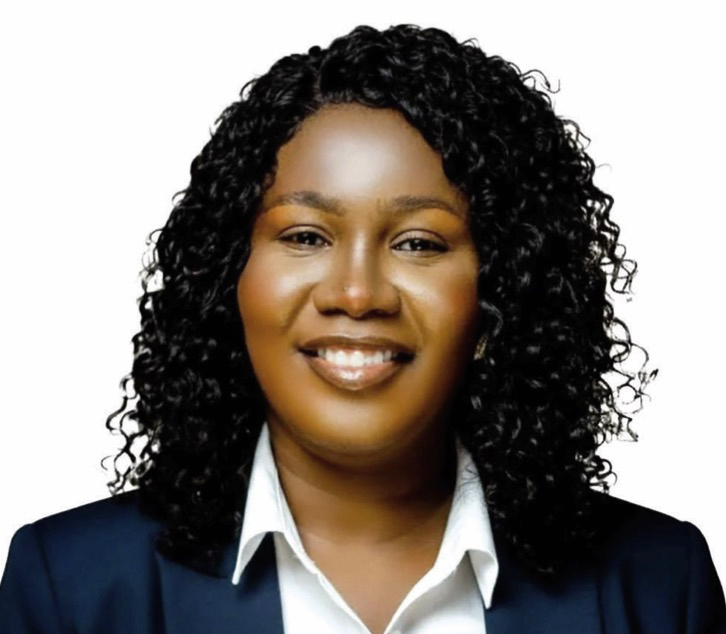
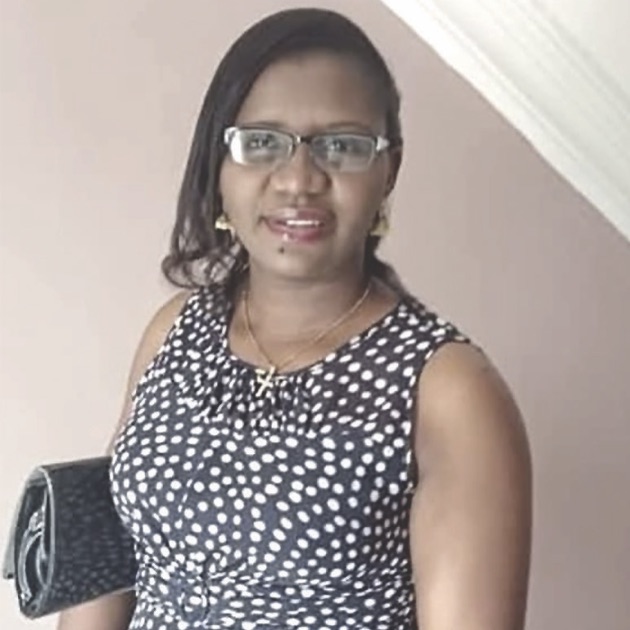
Dr. Tessy Uba, a Ph.D. holder in Educational Administration and an accomplished educationist, is the proprietress of Tezbloom Model Academy, Rivers State. Growing up in a family where girls’ education was not prioritized, she overcame socio-cultural barriers to female education. Today, as an accomplished educationist and a role model for young girls, she passionately advocates for gender equity in education.
While reflecting on the rights and welfare of children on World Children’s Day, she said that education is not merely about literacy but a gateway to empowerment, equality, and opportunity. When we invest in educating our children, especially girls who have historically faced barriers, we pave the way for a more just and prosperous society
In this interview with Daily Sun, Dr. Uba spoke on how policies, communities, and parents can work together create safe, inclusive, and supportive spaces for every child to dream, learn, and thrive as their rights are non-negotiable, and well-being is the foundation of our collective future.
Can you give me an insight into your family where girls’ education was not much of a priority considering the Convention on the Rights of the Child?
As someone who grew up in a family where girls’ education was not prioritized, I had to fight through stereotypes, resistance, and limited expectations. I strongly advocate for gender equity in education. I was raised in a family of 11 children, eight girls and three boys, my father believed educating a girl was a waste of resources because she would eventually get married, but I chose a different path. I fought hard to overcome socio-cultural barriers to female education. I pursued my education with determination and climbed to the highest level, earning a Ph.D. in Educational Administration.
So, being a woman, to me, also means breaking barriers and redefining what’s possible, not just for myself, but for the next generation of girls watching and learning from my story. In a world that often underestimate women; I believe we must continue to show that being a woman is not a limitation. It is a powerful platform for change.
Having overcome socio-cultural barriers to achieve this level of female education, what does the World Children’s Day mean to you as an educationist and a mother?
It just reminds me of the fundamental obligations we hold towards our youngest and most vulnerable members of society. Every child, regardless of their background, deserves the right to education, safety, health, and a nurturing environment that allows them to flourish.
Children must be protected from exploitation, discrimination, and abuse and their voices should be heard in matters that affect their lives.
Welfare encompasses more than meeting physical needs; it also involves emotional support, mental health care, and ensuring children grow up in environments where their dignity is respected. As an educationist, I advocate for inclusive education systems that cater to diverse needs and foster creativity, critical thinking, and compassion.
In what ways can parents be more involved in their ward school performance and impact more on them?
Parental involvement goes far beyond paying school fees. It includes listening to a child read at home, making time to review their work, encouraging curiosity, and, perhaps most importantly, believing in the value of their education. When children know their parents are invested in their academic journey, it boosts their confidence, attendance, and motivation. If we want to raise academic standards in Nigeria, we must do more than fix classrooms and train teachers. We must bring parents into the heart of the learning process. Education is a shared responsibility, and when schools and families work together, our children thrive.
So, where do you draw your passion for education and empowering others from?
It actually started my professional journey which is a reflection of my strong passion for education, dedication to nurturing young minds, and lifelong commitment to empowering others through learning. Before I became a school proprietress, I spent over 10 years as a classroom teacher. I know what it means to walk into a classroom with passion, only to be met with challenges that quietly chip away at your enthusiasm.
Today, as someone who now manages a team of teachers, I see those challenges from a different angle, and I can say without hesitation that several factors are affecting teachers’ performance in Nigeria, not just one. The first and most obvious is poor remuneration. Teachers are some of the most underpaid professionals in the country, despite carrying the weight of shaping future generations. It is difficult for anyone to give their best when they are worried about basic survival, feeding their families, paying rent, or commuting to school. No matter how passionate a teacher is, financial hardship can quickly drain their motivation.
What motivates you as an educationist who sees a brighter tomorrow in every child?
My motivation goes beyond money. Despite my father’s belief that educating girls was unnecessary, my resilience and commitment to learning propelled me to attain the highest level of academic achievement. Many teachers feel undervalued and overlooked in the larger conversation about national development. Society often fails to recognise the critical role teachers’ play, and this lack of respect affects their morale. When a profession loses its dignity, it becomes difficult to attract or retain talent. There’s also the issue of limited access to training and continuous learning. Many teachers are still using outdated methods because they have not been exposed to new approaches, technologies, or best practices,
We place premium on capacity building and development of every staff in our school. But I know this is a privilege not all schools can afford. Then there’s burnout. Teachers today are not just educators—they are counselors, caregivers, and sometimes even stand-in parents. With large class sizes and little support, they are stretched thin.
The pressure to produce academic results, especially in under-resourced environments, takes a heavy toll. Yet, despite all this, I still meet teachers who show up every day with remarkable dedication. What they need is not just encouragement, but a system that values their contribution, pays them fairly, supports their growth, and treats them as the professionals they are.
Can you help us make sense of the current standard of education in Nigeria?
I would say that the standard of education shows great potential, but it is currently facing major challenges, especially in infrastructure, teacher training, and curriculum relevance. I have seen brilliant students held back by a lack of resources and outdated methods. However, I have also witnessed how innovation and committed educators can make a real difference. So, while there is a long way to go, I believe there is hope if we keep pushing for reforms and investing in quality teaching.
Running a school in Nigeria is no doubt a daunting task given the challenges therein. What are some of the challenges you face as a school administrator in maintaining or improving academic standards?
For me, improving academic standards in Nigeria is not a matter of passion alone; it requires confronting deeply rooted challenges. One of the most pressing challenges is the quality of teaching. Many schools struggle to find and keep qualified teachers, not necessarily due to a lack of talent, but because of poor remuneration, limited training opportunities, and low morale in the profession
Many schools operate without basic facilities, functional classrooms, libraries, learning aids, or access to digital tools. When children are taught in overcrowded, poorly equipped environments, it is difficult to achieve academic excellence, no matter how dedicated the teachers may be. There’s also the issue of parental and societal support.
Education works best when it is reinforced at home, yet many parents, especially in under-informed communities, see schooling as the sole responsibility of teachers. In some cases, girls are still discouraged from pursuing education. Changing such mindsets takes consistent advocacy and community engagement. Policy inconsistency from the government further complicates things. Frequent curriculum changes, insufficient funding for public education and weak regulatory oversight often leaves schools, particularly private ones, to navigate the system alone. While initiatives exist, their implementation rarely reaches the level where they can truly make a difference in classrooms across the country. Still, I remain hopeful. I have seen what is possible when educators lead with purpose and when communities rally around their schools. With the right investments and mindset shifts, we can raise the bar for Nigerian education.
Can you give an insight into the way you juggle family life with your career?
Balancing family life with a career is a delicate act, especially as a married woman with children. For me, it’s all about prioritizing and intentionality. I make it a point to dedicate quality time to my family.
My spouse and children are my greatest support system and motivation. At the same time, running a school and being deeply involved in education demands focus and commitment. I’ve learned to manage my time carefully, set clear boundaries between work and home, and stay organized so that I can give my best in both areas.
It is not always easy, there are days when the demands feel overwhelming but I believe that with good planning, open communication, and support from loved ones, it’s possible to thrive both as a mother and a professional. To me, juggling these roles is about being fully present, whether I’m at home with my family or leading my school, and finding harmony between the two.