Follow Us on Google

By Josfyn Uba
For too long, the “last mile” of healthcare—the critical gap between professional medical advice and the daily reality of a nursing mother has been left solely to physical management and engagement with professional hands in the hospitals
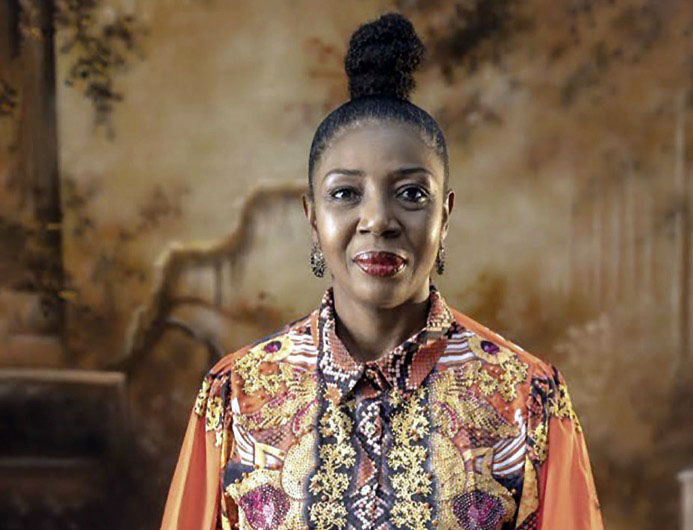
Today, that gap is closing. Technology is beginning to rewrite the narrative of maternal survival. In an era where artificial intelligence often feels like a distant, clinical abstraction, Eunice Benu has joined the league of health professionals to turn it into a lifeline. She is harnessing the power of data analytics to predict complications before they escalate and deploying remote monitoring systems to help make the journey of motherhood less stressful and complicated for Nigerian women with Milky Momma’s and MamaCare, AI-powered maternal health platform
Whether it is providing real-time, evidence-based support for breastfeeding mothers battling the anxieties of the postpartum period or using predictive insights to guide rural health workers, Benu, is transforming how we approach the delicate, life-altering experience of motherhood. As the platform experiences a surge in growth across the country, she said the future of maternal care is Ai driven while discussing the inspiration behind the innovation, future of postpartum care, and how technology can transform maternal healthcare across Nigeria and Africa
Eunice Benu, a certified breastfeeding s pecialist focuses on breastfeeding education, maternal support, and community-based care. She combines professional breastfeeding training with practical experience to support mothers, collaborating with healthcare professionals while conducting hospital outreach to advocate for improved maternal health.
She spoke to Daily Sun, recently in Lagos.
You began by working closely with breastfeeding mothers. What was that experience like?
A few years ago, I began working closely with mothers who were struggling with breastfeeding.
Some were first-time mothers unsure whether their babies were getting enough milk. Others were battling painful latch issues, low confidence, sleep deprivation, and the emotional demands of early motherhood. Many had received care during pregnancy and childbirth, yet once they returned home, they often felt isolated and unsupported.
What surprised me most was not the number of questions mothers had. It was how predictable those questions were.
The same concerns surfaced repeatedly: Is my baby feeding enough? Why is breastfeeding painful? Why does my baby cry after every feed? How do I know if I am producing enough milk? Should I continue breastfeeding when I am exhausted?
As I listened to these mothers and helped connect them with support and information, I realised the challenge was much bigger than breastfeeding. Breastfeeding was simply the entry point into a wider conversation about maternal healthcare.
What did that wider conversation reveal?
The reality is that many mothers receive the highest concentration of professional support before and during delivery, only to experience a significant reduction in support during one of the most vulnerable periods of their lives—the weeks and months after childbirth.
Yet this is precisely when many critical challenges emerge.
A mother may be struggling physically while trying to care for a newborn. She may be dealing with anxiety, emotional stress, feeding difficulties, or questions about her baby’s health. In many cases, she has limited access to timely guidance and must rely on fragmented information from relatives, friends, and social media.
This experience exposed what I believe is one of the most overlooked gaps in maternal healthcare in Nigeria: continuity of support. Healthcare cannot begin and end within hospital walls. Maternal wellbeing is a continuous journey that extends long after discharge.
What inspired you to create the AI-powered maternal health platform, and how does it work?
MamaCare is an AI-powered maternal health platform designed to support mothers throughout pregnancy, breastfeeding, and the postpartum period.
It was born from my personal experience as a mother and years of working directly with mothers through Milky Mommas.
I saw a recurring pattern: many women left the hospital with little or no support once they got home. They struggled with breastfeeding, mental wellbeing, newborn care, and recovery, often relying on conflicting advice from social media or well-meaning relatives.
MamaCare combines artificial intelligence with evidence-based maternal health guidance to provide personalized support, breastfeeding education, symptom monitoring, wellbeing check-ins, feeding and recovery tracking, and access to trusted healthcare professionals when needed. Our goal is to ensure that no mother feels alone after leaving the hospital.
How does it use artificial intelligence while ensuring information remains safe and medically reliable?
Artificial intelligence allows us to provide mothers with immediate, personalized guidance based on their stage of pregnancy or postpartum recovery.
Rather than replacing healthcare professionals, AI supports personalized education, breastfeeding latch analysis, symptom assessment, postpartum mental health check-ins, and recovery guidance.
Safety is our highest priority. MamaCare is built on evidence-based maternal health information drawn from recognized clinical guidelines and breastfeeding best practices. It does not replace healthcare providers or make medical diagnoses. Instead, it educates, monitors patterns, identifies potential concerns, and encourages timely consultation with qualified professionals whenever necessary.
Postpartum depression and anxiety often go undiagnosed in Nigeria. How can technology help?
Technology has enormous potential to identify early warning signs before a crisis develops.
Many mothers silently struggle because they believe what they are experiencing is normal or because they fear stigma.
MamaCare incorporates regular wellbeing check-ins that allow mothers to report how they are feeling over time. By identifying patterns such as persistent low mood, anxiety, sleep disruption, or emotional distress, the platform can encourage mothers to seek professional support early while always directing them to qualified healthcare providers rather than attempting to diagnose mental health conditions.
Nigeria has many rural communities with limited internet access. How can digital maternal health solutions reach underserved mothers?
Technology should never widen healthcare inequality.
Our long-term vision includes lightweight mobile solutions that work well on low-bandwidth connections, multilingual educational content, and partnerships with hospitals, primary healthcare centres, community health workers, and local organizations.
We believe technology should complement existing healthcare systems, ensuring mothers receive continuous support regardless of where they live.
Other News
Where do community support networks fit into this?
While healthcare professionals play a vital role, it is unrealistic to expect overstretched health systems alone to meet every mother’s ongoing needs.
Community-based support groups, peer networks, and maternal health advocates are helping mothers to access information, encouragement, and practical guidance. They are often the difference between a mother feeling overwhelmed and one feeling empowered.
However, Nigeria records millions of births each year, making it impossible for traditional support systems alone to reach every mother. Geography, workforce shortages, and economic barriers continue to limit access to maternal healthcare.
So how does digital health change this picture?
Digital health has the potential to transform maternal care.
Through mobile technology, mothers can access evidence-based information, track important health indicators, receive reminders, monitor their wellbeing, and connect with professional support when needed.
Artificial intelligence can provide personalised guidance, identify early warning signs, support decision-making, and improve access to trusted information, particularly for mothers in underserved communities.
Many mothers receive conflicting advice from family, social media, and healthcare professionals. How can platforms like yours combat misinformation?
One of the biggest challenges mothers face today is information overload.
Platforms like MamaCare serve as trusted sources of evidence-based information, providing consistent guidance aligned with recognized maternal health recommendations while encouraging mothers to consult qualified healthcare professionals whenever medical concerns arise.
Technology can reduce confusion by making reliable information easier to access than misinformation.
What are the biggest misconceptions about breastfeeding and postpartum care?
First, many people believe breastfeeding comes naturally for every mother. While breastfeeding is natural, it is also a learned skill that often requires education and support.
Second, many believe mothers should simply endure pain or emotional distress because it is “part of motherhood.”
Persistent pain, severe emotional changes, or breastfeeding difficulties deserve attention and care.
Third, many assume postpartum care ends once the baby is delivered. In reality, childbirth is only the beginning. Mothers require ongoing physical, emotional, and psychological support throughout recovery.
How important is involving fathers and other family members in postpartum care?
Postpartum care should never be viewed as a mother’s responsibility alone. Fathers, grandparents, and other family members all influence a mother’s recovery and breastfeeding journey. Technology can educate the entire family by providing practical guidance on newborn care, emotional support, breastfeeding, and recognizing warning signs that require medical attention.
What role should government, healthcare institutions, and the private sector play?
Improving maternal healthcare requires collaboration. Government should encourage responsible digital health innovation and invest in maternal healthcare infrastructure. Healthcare institutions should embrace technology as a tool for extending care beyond hospital walls while maintaining clinical oversight. The private sector should invest in innovation, research, and scaling promising solutions across underserved communities. No single organisation can solve maternal health challenges alone.
What key maternal health policy changes would you like to see over the next five years?
I would like to see stronger investment in postpartum care, not just pregnancy and childbirth.
We need national policies that recognize maternal mental health as an essential part of healthcare, expand breastfeeding support services, strengthen community-based maternal care, and encourage responsible adoption of digital health technologies.
How do you measure the impact of this platform?
Success is not measured only by downloads or technology adoption.
We measure impact by the number of mothers who receive timely support, gain confidence in caring for themselves and their babies, continue breastfeeding successfully, and are connected to healthcare professionals when necessary.
Long before MamaCare, Milky Mommas had already become a trusted support community whose experiences and feedback have directly shaped every feature we are building today.
What’s your view on technology versus human care?
Technology should never replace human care. Maternal health is deeply personal and requires empathy, trust, and meaningful human connection. Technology should strengthen and scale the support systems that already exist, helping healthcare professionals extend quality care to more mothers.
Looking ahead, what is your long-term vision for your platforms?
My vision is for every mother, regardless of where she lives or her financial circumstances, to have access to trusted maternal healthcare support throughout pregnancy and the postpartum journey.
I see us continuing to build strong community support while MamaCare becomes a trusted AI-powered maternal health platform serving families across Nigeria and eventually across Africa.Ultimately, I want MamaCare to become the trusted digital companion every mother across Africa can rely on—from pregnancy through the postpartum journey—ensuring that quality maternal healthcare is no longer limited by geography, income, or access to specialists.