Follow Us on Google
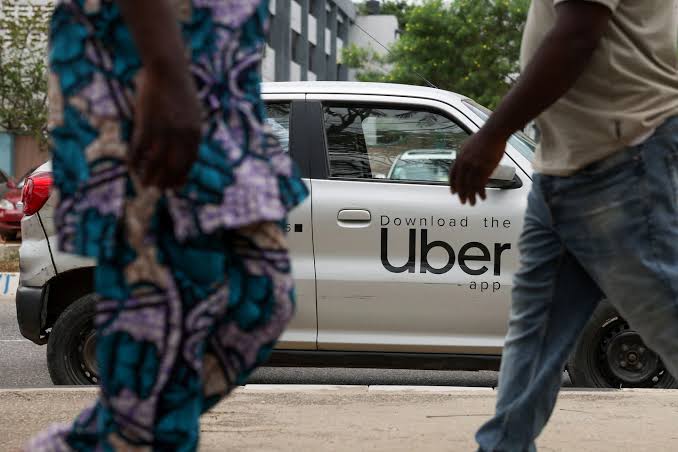
The exit of Uber from Nigeria’s ride-hailing market is expected to intensify competition among operators while putting renewed focus on driver earnings and the sustainability of the business model in the sector.
Uber, which began operations in Nigeria in 2014, recently announced its decision to discontinue its ride-hailing operations in the country after 12 years.
The development has prompted discussions among mobility operators and industry stakeholders about the future of the sector, particularly the economics of operating as a ride-hailing driver amid rising fuel, vehicle maintenance, insurance and financing costs.
Reacting to the development, Nigerian mobility company SimpliRide said the sustainability of the sector would increasingly depend on how much drivers are able to earn after meeting the costs of running their vehicles.
Country Manager of the company, Alero Fregene, said drivers remained central to the operation of the sector because they bear most of the costs associated with providing the service.
She said drivers were responsible for vehicle acquisition or financing, fuel, maintenance and insurance, adding that the industry would face difficulties if drivers could not make sufficient returns from their operations.
Fregene said Uber’s contribution to the development of app-based transportation in Nigeria should be recognised, noting that its exit should not be interpreted as the end of ride-hailing in the country.
“Uber was a pioneer of modern app-based mobility in Nigeria, and its contribution to the development of this industry cannot simply be erased because the company has decided to leave,” she said.
Fregene, however, said changing economic conditions meant that ride-hailing companies would need to reassess their business models.
“Markets evolve. Economic realities evolve. And business models must evolve with them,” she added.
A major issue facing drivers is the impact of operating costs on their net earnings. While ride-hailing platforms generate revenue from trips completed by drivers, drivers are responsible for many of the expenses required to keep their vehicles on the road.
Other News
Fregene said this raised questions about whether measuring the success of a platform solely by the number of rides completed adequately reflects the sustainability of the industry.
She disclosed that the company was expanding its Driver Transition Programme to onboard professional drivers seeking additional sources of ride demand following changes in the market.
The company said drivers would not be required to abandon other ride-hailing platforms, allowing them to determine which services provide the best economic value for their businesses.
She said the company operates a subscription-based model rather than deducting a percentage commission from each trip. Under the model, drivers pay a platform subscription fee and retain their base trip fares.
Fregene said the model was developed around the economics of drivers and their ability to remain profitable after covering operating expenses.
The company disclosed that it had recorded more than 23,000 app downloads and had begun monetising its platform through its subscription model.
However, Fregene acknowledged that downloads alone would not determine the success of mobility companies competing in the post-Uber market.
“We are asking Nigerians to judge us by the economics, the technology, the reliability and the experience,” she said.
With Uber’s departure, competition among existing and emerging operators is expected to increase as companies seek to attract both drivers and passengers.
For the industry, however, Fregene said the key challenge may extend beyond filling the gap left by Uber to determining whether ride-hailing can provide a sustainable livelihood for drivers while maintaining affordable and reliable transportation for riders.