Follow Us on Google
•NIWA, academy collaborate to ensure safety compliance in Delta
From Ben Dunno, Warri
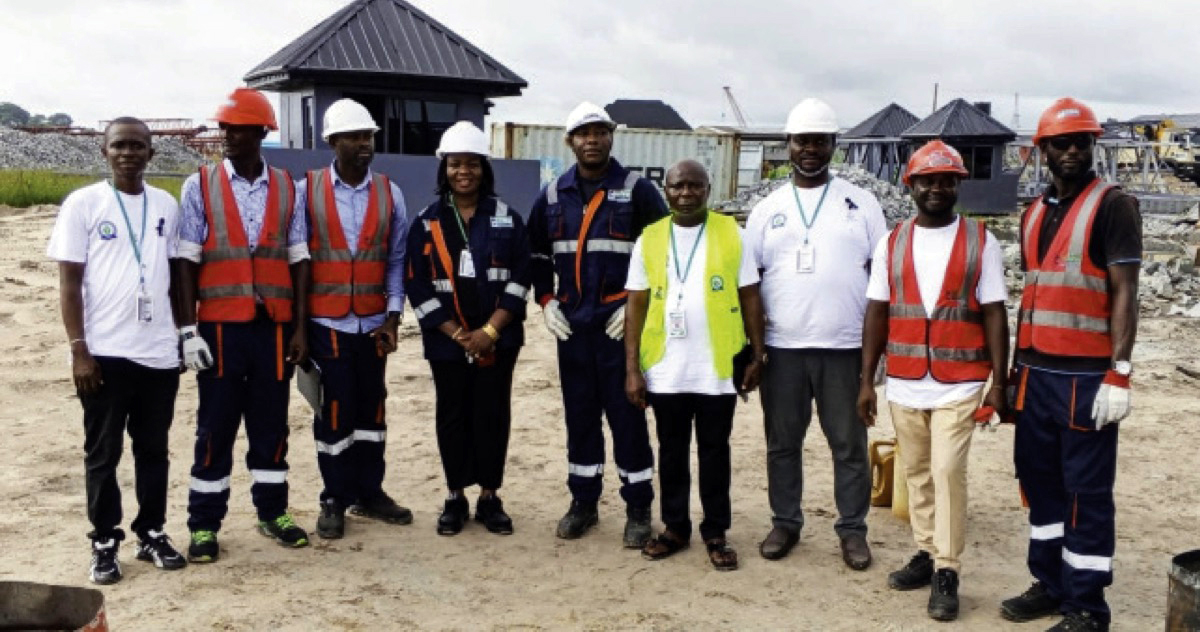
The recent surge in boat and canoe mishaps in the country is worrisome and a cause for concern. To curb these accidents and enforce safety on Nigeria’s waterways, the National Inland Waterways Authority (NIWA), in collaboration with Lufredha Maritime Academy, put up a three-day intensive training programme for about 100 boat drivers of Maton Engineering in Warri, Delta State.
The training in alignment with NIWA’s prescribed safety standards for both private and commercial operators equipped participants with professional competence in navigation, safety procedures and regulatory compliance, ultimately leading to the issuance of professional licences.
Managing Director, Lufredha Academy, Onajite Rosemary Tonlagha, said the initiative was part of ongoing efforts to professionalise inland water transportation and reduce the alarming rate of mishaps in the country’s waterways: “The academy has maintained a strong working relationship with NIWA, focusing on training and certifying boat operators in line with national safety regulations.
“We are committed to ensuring that all inland waterway operators are properly trained in navigation, safety protocols, engine maintenance and first aid. One of the most critical components of our programme is the sea trial, where operators are practically assessed to determine their level of expertise.
“Navigation is not an inherited craft. It requires structured training, adherence to evolving safety standards, and compliance with regulations such as the use of life jackets, possession of valid licences, and restrictions on night operations.
“A major challenge in inland water navigation is the inability of some operators to identify hazards such as submerged wrecks, which significantly contributes to accidents. If these safety rules are strictly followed, we will witness safer waterways, reduced fatalities, and improved confidence in water transportation.
She appreciated Managing Director, Maton Engineering, Mr. Matthew Tonlagha, for facilitating the training and demonstrating strong commitment to safety compliance: “This initiative reflects a deep sense of responsibility towards humanity and the maritime sector. We commend Maton Engineering for setting a standard, others can emulate.”
Other News
Head, Department of Marine and Technical Manager, Maton Engineering, Mr. Peter Zipamoh, said the training was necessitated by recurring marine incidents within riverine communities: “Our objective is to provide speedboat drivers and captains with the technical knowledge required to navigate safely within creeks and inland waterways.
“Given the frequency of accidents, particularly collisions, this programme is essential to improving safety outcomes. The training covers critical areas such as safe navigation in densely populated fishing zones, accident prevention strategies, understanding maritime signals, managing over-boarding situations and handling adverse weather conditions.
“In our operational areas, especially during fishing seasons, the waterways are heavily occupied by local fishermen using canoes. This training is structured to help operators navigate these environments safely and responsibly.
“I am highly impressed with the depth and relevance of this programme. It aligns with global best practices. We look forward to further partnerships to enhance capacity in the sector.”
Delivering lecture on “Fire and Safety,” Professor Chidi Nwaoha of Marine Engineering Department, Federal University of Petroleum Resources, Effurun (FUPRE), Delta State. He took the participants on a wide range of fire incidents in a boat and the necessary measures to apply in handling the situations while on board.
He identified steps to be taken in different types of fire outbreak situations. He explained different classes of fire extinguishers that must be engaged when the occasion arises to bring such a disaster under control while sailing.
He also admonished the boat drivers to always prepare themselves for the worst case scenario by always asking the question: “What if? Develop the habit of having a readily available solution to any of such problems that may confront them.”
Others who delivered lectures included Ogbenero Ubu, who spoke on the 13 cardinal safety measures of NIWA. Bawo Ighomi, National Coordinator, River Marshals, NIWA, highlighted the importance of life jackets while on board and safety navigation rules.