Follow Us on Google
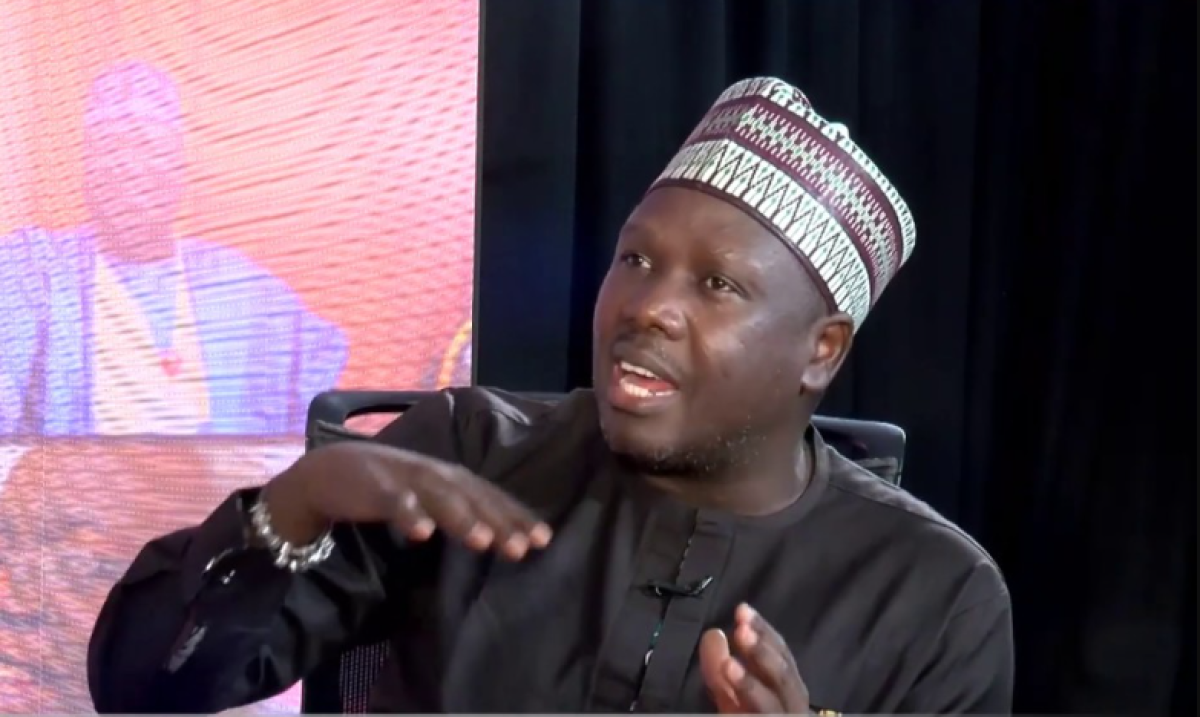
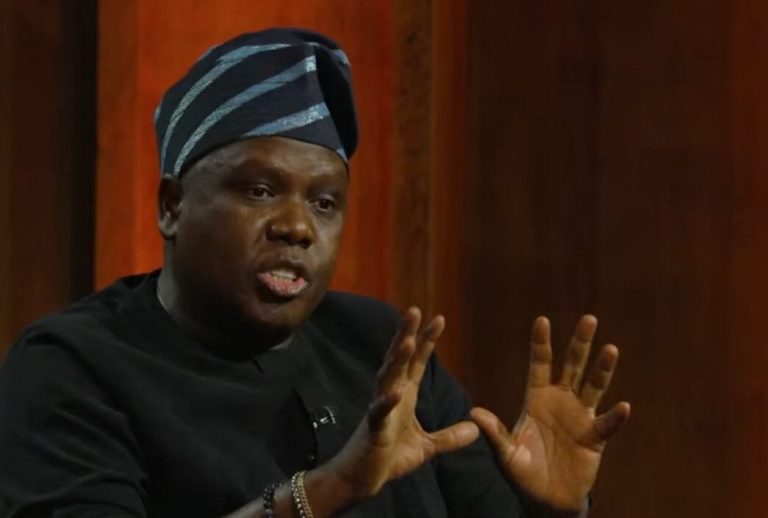
The economic reforms introduced by President Bola Tinubu’s administration contributed to an increase in the number of Nigerians living in poverty, according to the President’s Special Adviser on Policy Communication, Daniel Bwala.
Bwala made the disclosure during an appearance on Channels Television’s Politics Today on Wednesday, while defending the government’s economic policies since Tinubu assumed office in 2023.
The administration’s major reforms have included the removal of the petrol subsidy and the unification of the foreign exchange market.
The policies triggered significant increases in the cost of living, with Nigerians and businesses facing higher transportation, logistics and production expenses.
While acknowledging the hardship caused by the reforms, Bwala said such difficulties were expected when implementing major economic changes.
“Please let it be clear even to the opposition, the reason why you have this number of poor people and some of these doomsday analytics that people are giving is because we undertook a reform,” he said.
“There is no part of the world where you start a reform like that there will not be discomfort. More people went down to poverty, acknowledged, but since when the reform started to today, we have made marked progress which is what we have spent the last three years talking to Nigerians about.”
Other News
Bwala maintained that although poverty remained a major challenge, the government had made progress since the reforms were introduced.
“So, you cannot discount that even though there are quite a number of our population that are poor which we admit, but we have made progress so far,” he added.
The Federal Government has repeatedly defended the reforms as necessary steps to correct what it describes as longstanding distortions in the Nigerian economy and improve the country’s fiscal position.
President Tinubu, in his October 1 Independence Day address, also highlighted what he described as improvements recorded since the implementation of the reforms.
According to the President, inflation had declined from its peak, foreign reserves had been rebuilt and the foreign exchange market had become more stable. He described the country as moving from a period of economic reforms towards prosperity.
Bwala also spoke about the 2027 presidential election, expressing confidence that Tinubu would secure a larger margin than he recorded in 2023.
He attributed his optimism partly to the support the President has received from some governors elected on opposition platforms.