Follow Us on Google
- As Wike says FCT tax system is to pressure for devt, not to embarrass taxpayers
From Juliana Taiwo-Obalonye, Abuja
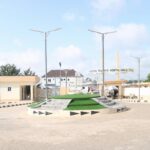
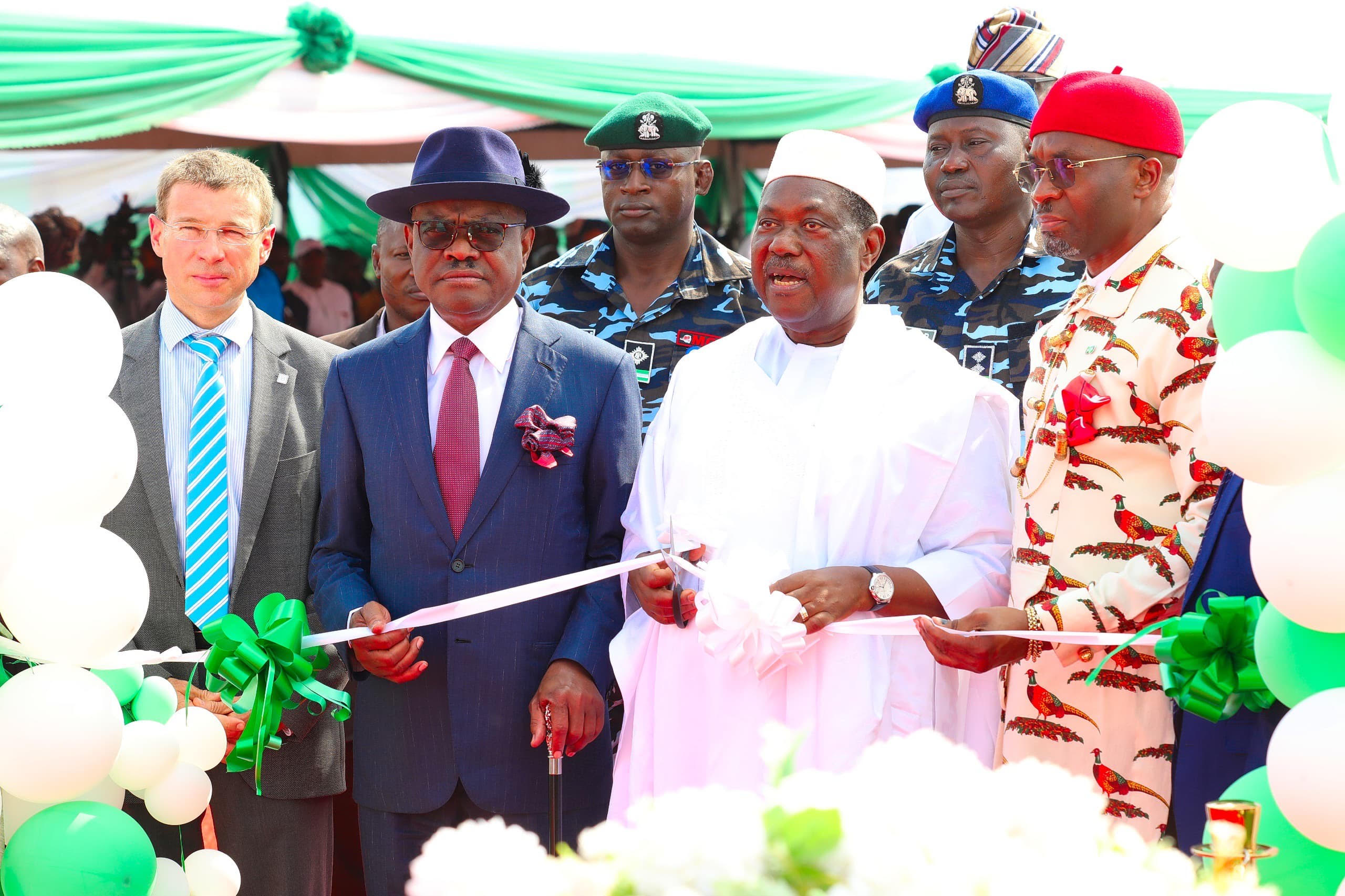
President Bola Tinubu at the commissioning of the newly completed arterial road N5, stretching from Life Camp Junction to Ring Road III (RR3) in Abuja, the Federal Capital Territory (FCT), has urged residents to own it, use it wisely, protect it, and celebrate it.
Represented by Secretary to the Government of the Federation (SGF), George Akume, the President described the road as a landmark achievement that embodies visionary leadership and collective progress.
President Tinubu emphasised the importance of the road as a public asset, urging everyone to own it, use it wisely, protect it, and celebrate it. He highlighted that the project reflected the government’s commitment to modern infrastructure development aimed at improving the daily lives of Nigerians.
The arterial road N5, named after the visionary Chief Obafemi Awolowo, is expected to significantly ease traffic congestion around key districts such as Dape, Gwarimpa 1, Kado, Karsana, Idu, and Dambora, while also decongesting the busy Life Camp Junction and surrounding neighborhoods. He noted that this improvement is set to enhance connectivity for both vehicular and pedestrian traffic in the heart of the capital city.
President Tinubu commended the FCT Minister, Nyesom Wike, the entire FCT administration, residents, and stakeholders for their cooperation and support in bringing the project to fruition. He also praised Julius Berger, the contractor responsible for the construction, for delivering a job well done.
“This road is not just a pathway; it is a symbol of our collective progress and commitment to a better future,” he said. He expressed his vision of developing Abuja to be on par with the world’s top capital cities, underscoring the significance of infrastructure in national development.
Earlier in his remarks, Wike clarified that the state’s tax collection system in the federal capital is designed not to embarrass taxpayers but to apply necessary pressure to ensure sustainable development. “Our system of tax collection is not to embarrass anybody; it’s to put pressure on people because we cannot survive this without people paying their taxes”.
Hefurther explained that without adequate tax revenue, the government would struggle to fund critical projects and host important events. “If we don’t get taxes, we won’t be able to invite Mr. President to inaugurate projects like this,” he noted, highlighting the direct connection between tax payments and the state’s ability to deliver infrastructure and development initiatives.
He highlighted the timeline and challenges of the commissioned project, stating,
that the road was awarded by the Federal Executive Council in September 2024 and flagged off in October last year. “Today, we are commissioning the third phase, and I believe, by the grace of God, Phase 2 will be commissioned before the end of the year.”
Other News
He revealed ongoing negotiations with local communities to extend the road to the airport, adding,
“We are discussing with the villages, and I will be able to pay the compensation and take the road to the airport.”
Wike recounted initial difficulties with compensation payments, particularly to residents deemed “non-indigenous,” and praised the current administration’s inclusive approach:
“I said it is not under this administration of President Tinubu that somebody living in his house will have his house demolished without compensation because he’s not an indigene. I directed that all who have houses here must be paid, and they were paid. That’s how we were able to do this road.”
He also acknowledged the role of Julius Berger contractors in timely project delivery, recalling his long-standing relationship with the company:
“When we came here for the flag-off in October, the new Managing Director of Julius Berger was present. I knew Julius Berger from my time as governor of Rivers State, and we negotiated for this new road. They assured me that this road would be part of the projects inaugurated in the second year anniversary of Mr. President, and they kept their word.”
Wike praised the beautification and landscaping of the area, noting the positive impact on the FCT’s image. He said, “Look at the landscaping of this area. One of our people told me, if I knew this place like this, I would have come to buy land. This is what it requires to support a president who means well for his country.”
Addressing the challenges of urban development, Wike thanked the National Assembly for its support:
“I want to thank the National Assembly, especially the Deputy Speaker, for their humongous support. The budget we pass is executed, and that has made a difference in the projects we commission.”
He also acknowledged the sacrifices of residents who lost traditional homes to make way for development, saying,
“Whether I like it or not, the compensation we paid cannot be enough to compensate for losing your traditional homes. I thank you for your understanding.”