Follow Us on Google
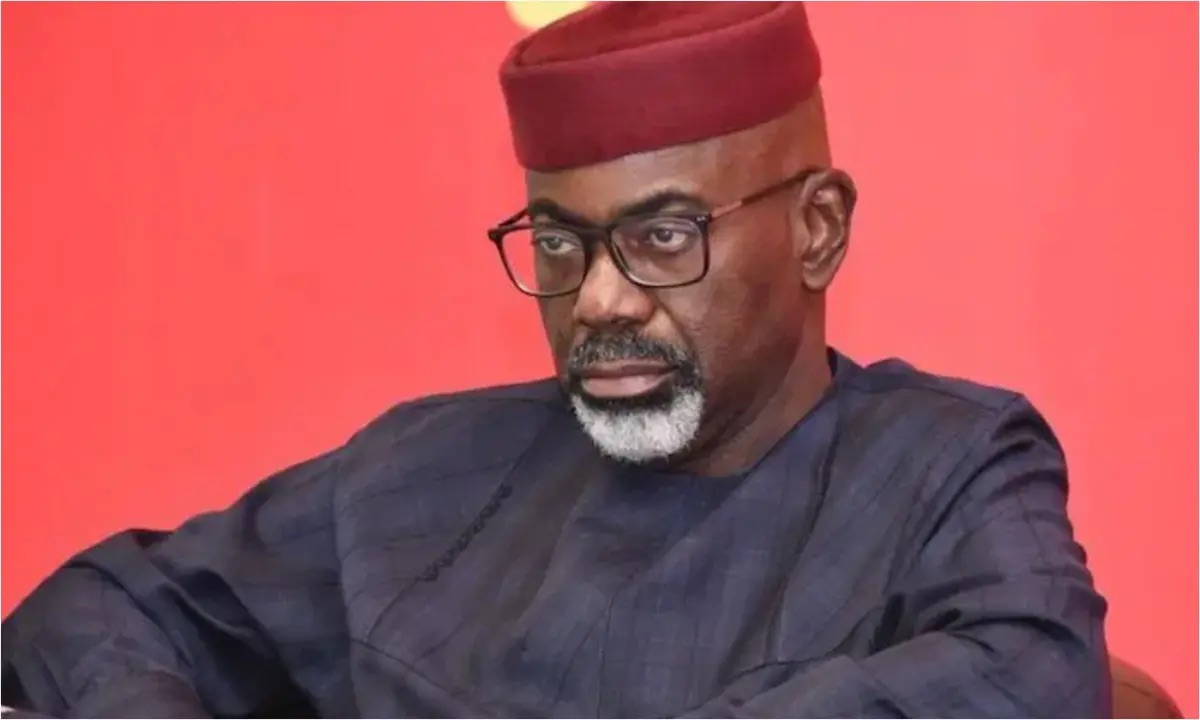
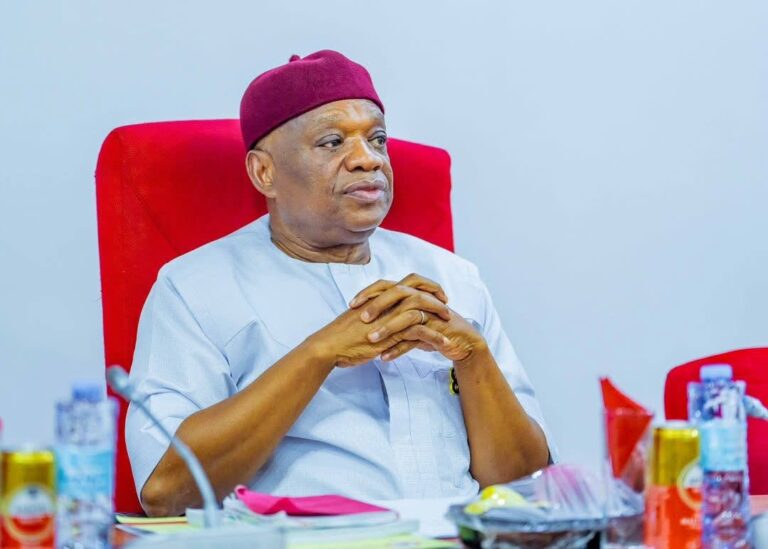
Former Cross River State Governor, Senator Liyel Imoke, has rejected claims that his administration abandoned the Tinapa Business and Leisure Resort, insisting that he sustained the project until he left office.
Imoke said his administration continued to invest in and expand the use of the ₦40 billion resort, while also introducing additional facilities and activities to keep it operational.
The former governor made the clarification during an exclusive interview with ARISE NEWS on Wednesday while responding to criticisms from his predecessor, Donald Duke, over the state of Tinapa.
Duke, who initiated the Tinapa project, had accused Imoke of abandoning the resort after taking over as governor.
However, Imoke disputed the claim, saying his administration inherited the project and continued to support it despite the financial and infrastructural challenges surrounding its operations.
“There was no half-road built, and there was no abandonment. I kept it going and sustained it until I left office,” Imoke said.
According to him, his administration also sought to maximise the use of the resort by connecting facilities and hosting major government and public events there.
He said Duke had begun plans for a monorail before leaving office and that he subsequently connected the project to the Tinapa Convention Centre.
“I connected that monorail to the Convention Centre. I brought an ICT hub into Tinapa. I moved aspects of the Calabar Carnival and festival to Tinapa,” he said.
Imoke added that his administration used the resort for government conferences and other major gatherings, including South-South governors’ meetings, economic development conferences and events organised by the Nigerian Society of Engineers.
He maintained that these measures were part of his broader effort to ensure continuity in governance and derive value from projects funded with public resources.
The former governor, however, argued that Tinapa’s challenges were rooted largely in its original conception and the absence of the wider commercial ecosystem required to make the resort viable.
“Let us start with the concept of Tinapa—it was badly conceived at the beginning. That is the reality,” he said.
Imoke explained that Tinapa was initially conceived as a free trade shopping destination, but the necessary regulatory, commercial and economic conditions were not established alongside its construction.
He said the state was left with substantial infrastructure inside the resort without sufficient supporting infrastructure outside it.
Other News
“The commercial environment for Tinapa to succeed was not in place, and the economic environment was also not in place,” he said.
According to Imoke, the project’s viability depended on factors such as adequate air connectivity, a dredged seaport, suitable free trade zone regulations, tax incentives and road infrastructure, many of which were outside the control of the state government.
He said the situation placed significant financial pressure on Cross River, particularly because the state had to continue funding the resort while the conditions required for its commercial success remained unresolved.
Imoke also disputed the suggestion that he neglected other tourism assets inherited from Duke, particularly the Obudu Ranch Resort.
He said his administration maintained the resort’s cable car for eight years despite the high cost of operation, while also taking steps to improve access and safety.
According to him, the cable car cost about $40 million to construct, while annual maintenance expenses at the time were about ₦240 million.
He said revenue from the cable car covered only about eight per cent of its maintenance cost, yet his administration continued to keep it operational.
Imoke also said his government brought Sun International/Protea to manage the Ranch, provided subsidised electricity and flights, acquired a Dash 8 aircraft for passenger services and installed a DVOR navigation system to improve the safety of flights to the area.
He said these interventions were necessary because poor access had affected occupancy at the resort.
Reflecting on his administration’s broader record, Imoke said continuity was central to his approach to governance.
He cited the expansion of Duke’s urban renewal programme from Calabar Municipality to Calabar South, the extension of street lighting beyond Marian Road, and the continuation and expansion of the Calabar Carnival.
“Government was continuous, and we sustained every single project, added value to every project, and increased the outcomes of everything that he himself had started,” he said.
Imoke said public office should not be used to abandon projects simply because they were initiated by a predecessor, arguing that elected officials have a responsibility to protect public investments and serve the wider interests of citizens.
“If anyone is in office and doesn’t understand the importance of continuity and the usage of public funds, it’s not a place to go and express your ego,” he said.
The former governor maintained that his administration’s priority was to balance the continuation of major projects such as Tinapa and Obudu with its broader responsibilities to Cross River residents, including healthcare, education, rural development, infrastructure and payment of civil servants.