Follow Us on Google
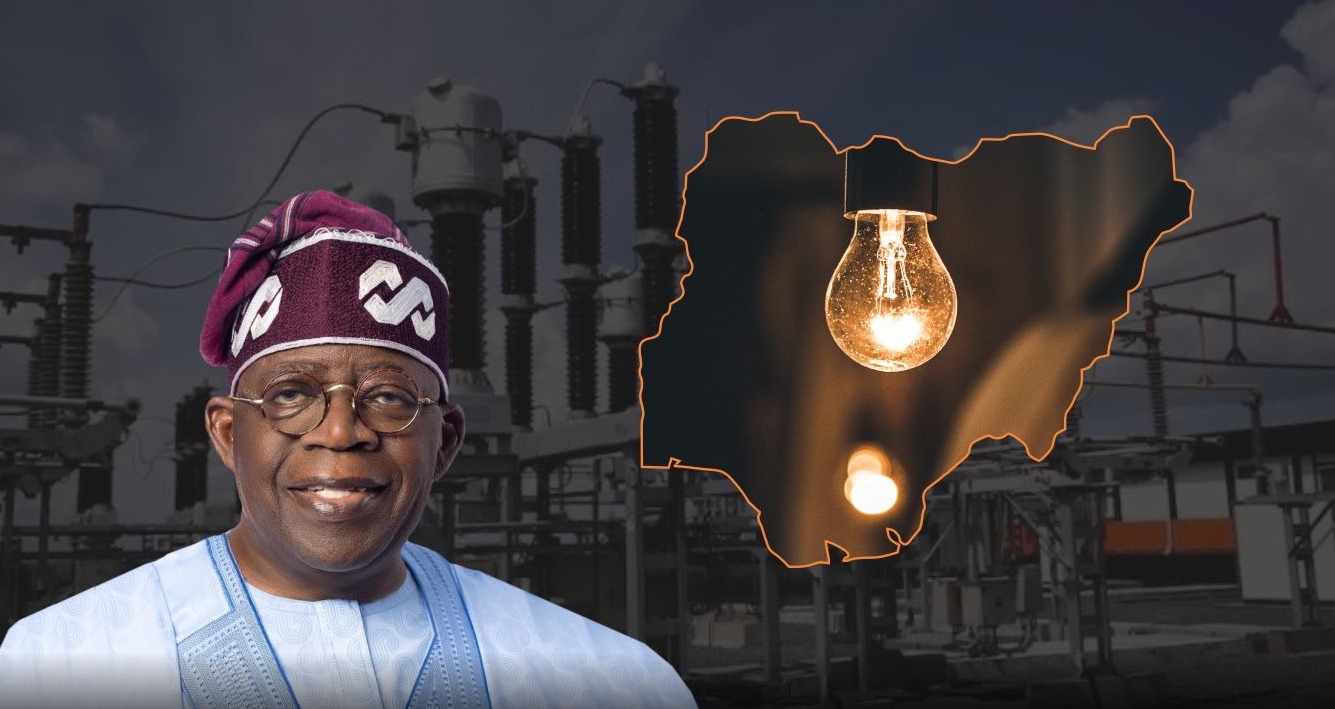
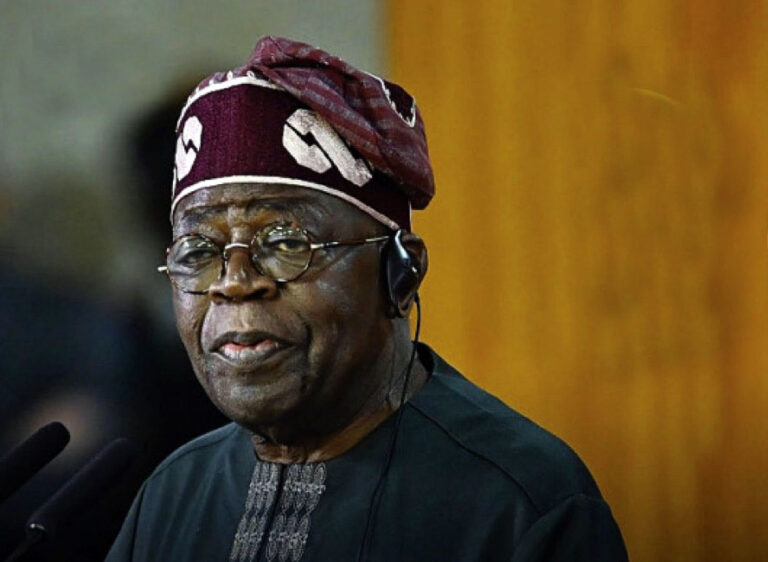
In order to improve electricity supply in the country, President Bola Tinubu recently approved N3.3 trillion for the settlement of outstanding debts in the struggling power sector. The amount will cover legacy debts accumulated from February 2015 to March 2025 under the Presidential Power Sector Financial Reforms Programme. According to the Special Adviser to the President on Information and Strategy, Bayo Onanuga, the debt repayment plan followed the final review of the legacy debts that have beset the power sector for more than a decade.
Already, the payment plan has started with 15 power plants signing the settlement agreement of N2.3trillion. Of the N501billion hitherto raised by government to settle the debts, N223 billion has been disbursed while plans are underway to effect further payments. It is hoped that this latest move will signal the revival of the power sector for optimal performance and efficiency.
Despite billions of naira invested in the sector over the years, successive governments have not been able to overcome the intractable challenges of electricity supply. Most companies and citizens now depend so much on generators for the energy needs. Some have also resorted to solar energy as an alternative source of power supply. Some companies have left our shores to other countries in West Africa due to our power challenges and other factors that hinder the ease of doing business in the country.
About 43-45 per cent of the population lacks access to the national grid, which has witnessed many collapses in recent times. Recently, the nation’s power supply dropped to an average of 4,300 megawatts between February and March this year for a country with over 200 million people. We hope that with the payments, gas supplies will be regular, power plants will be running, and power supply will cease to be epileptic. Nigeria’s has installed power capacity of 13,000 megawatts and power demand of over 20,000 megawatts.
Despite this, functional electricity generation often drops between 2,800 MW and 4,000MW. Nigeria’s current power supply level is highly unacceptable. Beyond thermal and hydro power sources, we must exploit other sources, including solar, wind and nuclear sources to significantly increase our power supply to reach at least 20,000 megawatts.
It is cheering that the government has pledged to ensure better metering and efficient service-based tariffs that would link consumer payments to the quality of electricity supplied. It is expected that Nigerians will witness improved electricity supply in the months ahead. The government intends to use the current power sector reform to support businesses, industries and small enterprises, which will enhance job creation and economic growth.
Other News
The plan to settle power sector debt through a bailout is commendable. However, the Gencos and Discos should sit-up and stop depending on government for occasional life-line. They should be prepared to invest in the sector. Some of the challenges of the sector include obsolete equipment, inadequate infrastructure and manpower shortage. During his campaign, Tinubu promised to fix the power sector. He should just do that. Time is of essence in this regard.
Nigerians had expected that the power sector reforms would improve power supply. Unfortunately, the power supply has been grossly inadequate. Our dream of having stable and uninterrupted power supply has been vitiated. Sadly, the power sector has defied all solutions.
Nigeria is among countries with high energy poverty. Available figures show that over 85-90million Nigerians lack electricity access, making it the world’s largest energy access deficit. Only about 4,000 megawatts is generated for over 200 million people. Nigeria’s per capita electricity consumption is about 144kWh. It is significantly lower than the African average of 617kWh. As of 2023, about 660 million to 750 million people globally lack access to electricity, with 80-85 per cent in sub-Saharan Africa.
In addition, over two billion people rely on harmful cooking fuels, such as wood, charcoal and animal waste. Unfortunately, investments in renewable energy in developing countries remain far below necessary levels. Healthwise, lack of clean cooking access is a leading cause of premature death in the poorest regions. The World Bank has explained that meeting the United Nations (UN) Sustainable Development Goal 7 of universal access by 2030, accelerated efforts are required in energy efficiency and investment, particularly in sub-Saharan Africa.
Let all tiers of government make elaborate plans to invest massively in renewable energy sources, especially solar and wind as a way of resolving the nation’s energy poverty and power sector crisis. Abundant sun and wind are available in the country throughout the year. Fixing the power sector has become imperative for our economic and industrial development. It can no longer be postponed. The time to act is now.
Power infrastructure should be refurbished and adequately maintained. Contractors and suppliers in the power sector should be timely paid. Since adequate power supply is a catalyst for industrialisation, government should hasten the revamping of the power sector.