Follow Us on Google
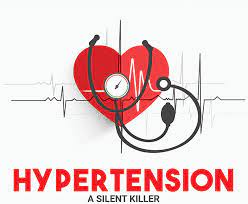
Medical experts recently raised the alarm over rising cases of hypertension in the country. They also warned that the condition, which is regarded as a silent killer, has become a national and global health challenge. Available information from the World Health Organisation (WHO) shows that an estimated 1.3 billion adults aged 30-79 years worldwide live with hypertension.
Out of this figure, two-thirds live in low-and middle-income countries. Unfortunately, an estimated 46 per cent of adults with hypertension are not aware that they have the condition. Less than half of adults (42 per cent) with hypertension are diagnosed and treated. Approximately 1 in 5 adults (21 per cent) with hypertension have it under control.
Additionally, the World Heart Federation (WHF) says that cardiovascular diseases (CVDs) are the leading cause of death globally, with 20 million dying from them annually. It further opines that ischemic heart disease is the top cause of CVD deaths, and almost half of these deaths result from dietary risks. Over three-quarters of CVD deaths occur in low-and middle-income countries, where progress in reducing premature mortality is significantly slower.
According to the UN health agency, hypertension is a major cause of premature death worldwide. It also says that one of the global targets for non-communicable diseases is to reduce the prevalence of hypertension by 33 per cent between 2010 and 2030. The WHO estimates that the prevalence of hypertension in the African Region is high and increasing, with some studies showing a regional average prevalence of around 27 per cent. However, the rates vary significantly across countries. Instructively, hypertension is very severe in Nigeria. Studies in Nigeria show that 25 per cent of emergency admissions in urban hospitals are due to hypertension-related complications such as stroke, kidney failure and heart attack.
Although people with high blood pressure may not feel symptoms, the only way to know if one has it is to get his blood pressure checked. Nevertheless, very high blood pressure can cause headache, blurred vision, chest pain, dizziness, difficulty breathing, nausea, vomiting, anxiety, nosebleeds and other symptoms. The predisposing factors for hypertension include old age, genetics, being overweight or obese, not being physically active, high-salt diet, smoking and drinking too much alcohol.
The increase in hypertension in Africa is largely attributed to rising risk factors, such as unhealthy diets, sedentary lifestyles and increase urbanisation across the continent. According to WHF, the most important behavioural risk factors of heart disease and stroke are unhealthy diet, physical inactivity, tobacco use and alcohol. We enjoin Nigerians to eat a healthy and balanced diet because it is crucial to maintaining a healthy heart and circulation system.
The WHF says further that a healthy diet should include a wide variety of unprocessed and fresh foods, including plenty of fruit and vegetables, whole grains, nuts, and foods low in saturated fats, sugars and salt. For optimum heart health, medical experts enjoin the public to exercise regularly, maintain a healthy body weight, avoid tobacco use, alcohol and manage stress.
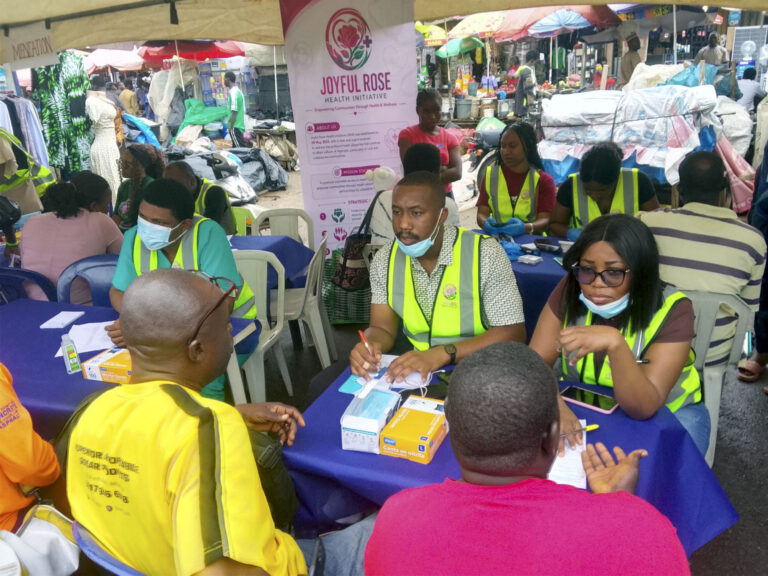
Since the disease is a silent killer, the government and other stakeholders should use the mass media to educate the public about hypertension’s risks, the importance of regular blood pressure checks and strategies for prevention. The World Hypertension Day, which is an annual event and the World Heart Day, could be used to raise awareness on the debilitating condition through community events, rallies and media activities in partnership with national societies and organisations. There is need to conduct regular blood pressure checks to facilitate early detection of the condition because many people are unaware they have it.
It is cheering that the federal government is working with WHO and Resolve to Save Lives to check hypertension through the National Hypertension Control Initiative (NHCI) and the Hypertension Treatment in Nigeria (HTN) programme, which integrate care into primary health centres using HEARTS technical package. The focus of these programmes is to expand blood pressure screening, improve access to affordable medication through a drug funds, establish standardized treatment protocols and utilise data management systems for better tracking.
Although the government is supporting awareness campaigns and pilot projects in specific states to improve hypertension awareness, treatment and overall control rates, it needs to do more to cover all the states of the federation. Moreover, states and local governments are enjoined to support this awareness campaign and other measures to stem the rising cases of hypertension in the country.